AI
OpenAI launches new voice intelligence features in its API
OpenAI added new Realtime API capabilities for voice conversations, live transcription, and translation, including a new GPT‑Realtime‑2 model.
Coverage of the broader chip industry, foundries, memory, and emerging architectures.
55 stories · Updated 2026-05-07
TechCrunch says Samsung shares jumped on surging AI-driven demand for high-bandwidth memory (HBM), lifting the company past the $1 trillion mark.
Cloud provider Nebius is acquiring 20-person startup Eigen AI, which optimizes chip performance for running (not training) AI models.

Nvidia’s NVentures joined a Series D extension for Legora, which sells agent-style tools for legal workflows and says it has surpassed $100M in ARR.

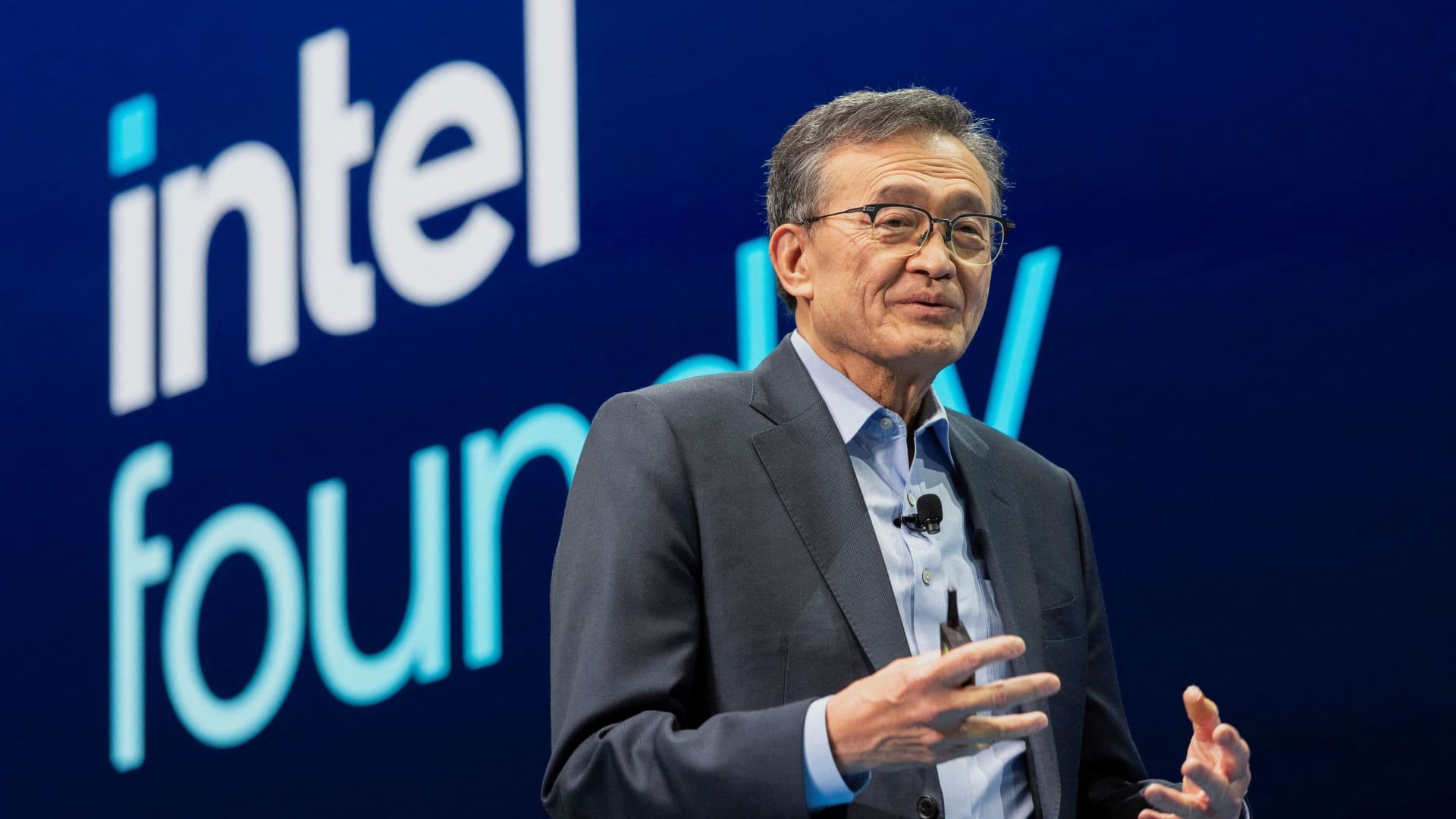
CNBC says Intel shares rose 114% in April — the best month in the chipmaker’s Nasdaq history — as investors rallied behind a turnaround story and growing AI-driven demand for CPUs and data-center capacity.
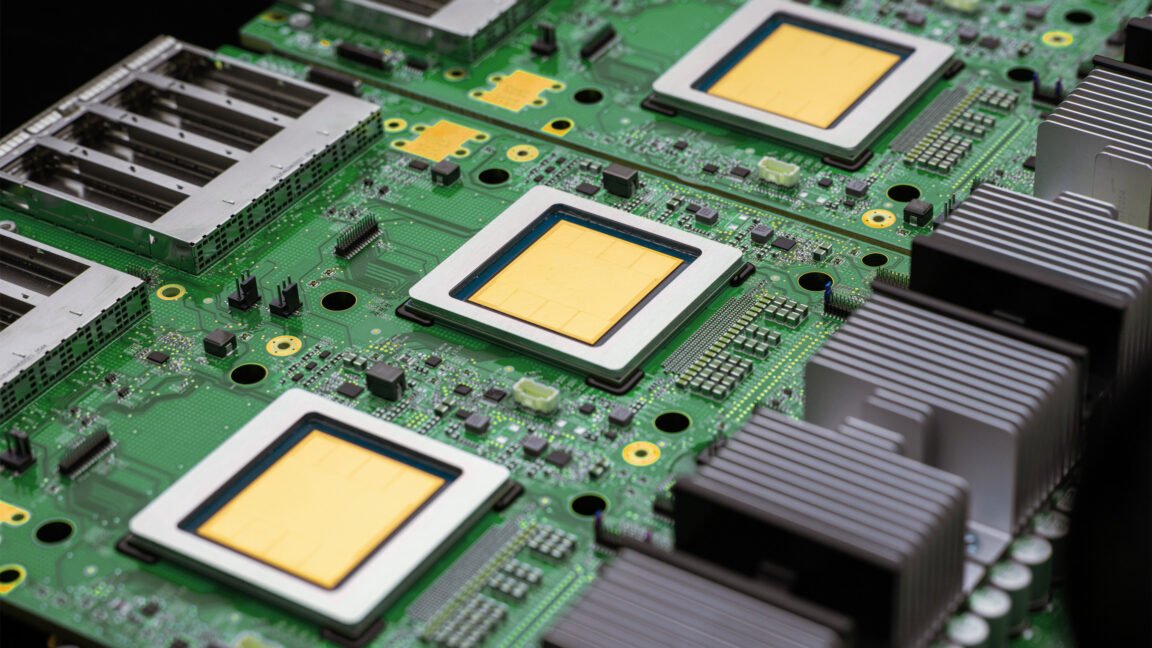
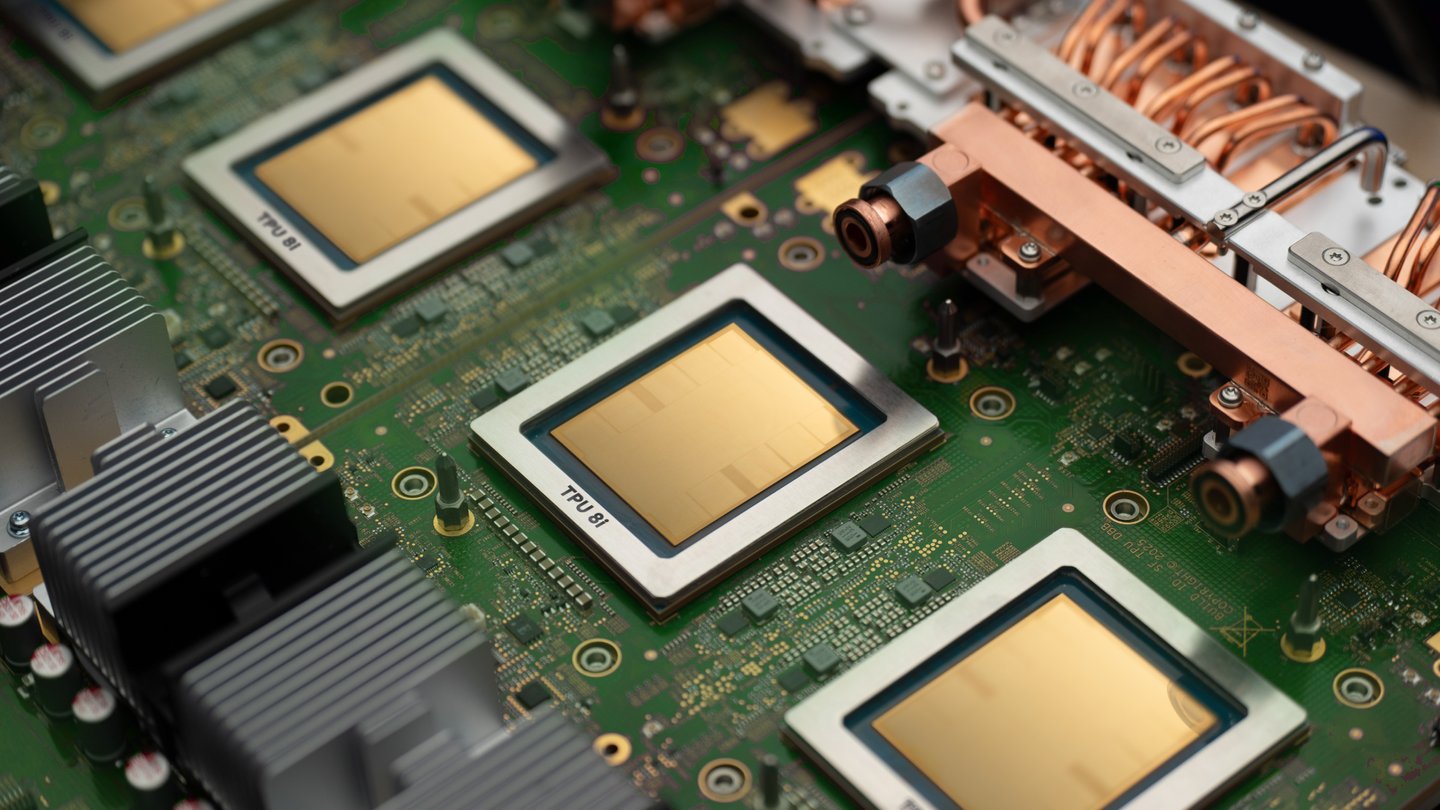
The company says the new TPU designs target faster frontier-model training and improved efficiency across the AI lifecycle.
A report says the agreement expands DoD access to Google’s models, amid employee concerns about military AI uses.

A WSJ column argues companies are reallocating budgets from headcount to chips and data centers, with layoffs spreading beyond a few giants.
Musk framed the Terafab effort as a supply-security move as demand for AI silicon tightens.

Former DeepMind reinforcement learning leader David Silver’s new lab says it wants to build a 'superlearner' that acquires skills without human datasets.

The rally underscores how central Nvidia’s GPUs remain to AI infrastructure spending across Big Tech.
The agreement highlights a growing shift toward CPUs and custom silicon for running AI agents after models are trained.

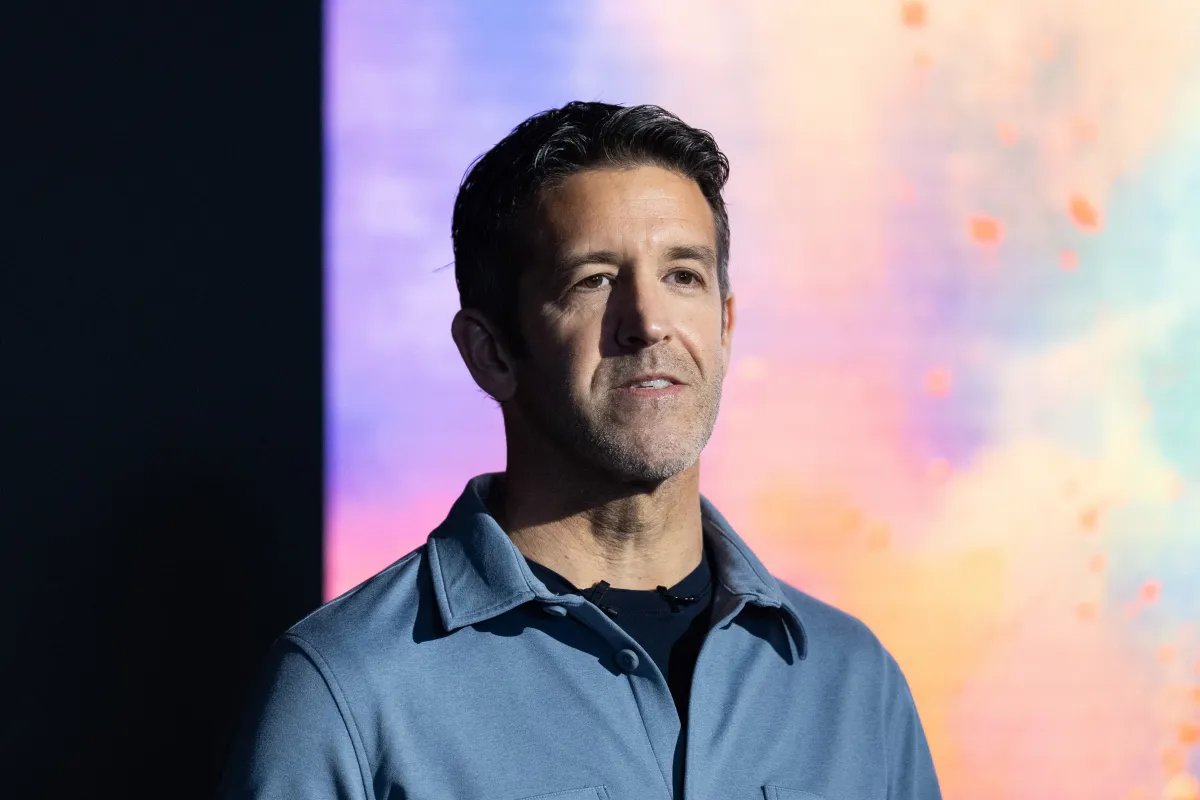
Ternus, a 25-year Apple veteran who helped build the Apple Watch, AirPods, and Vision Pro, is expected to push AI-powered devices rather than competing directly with frontier model labs.
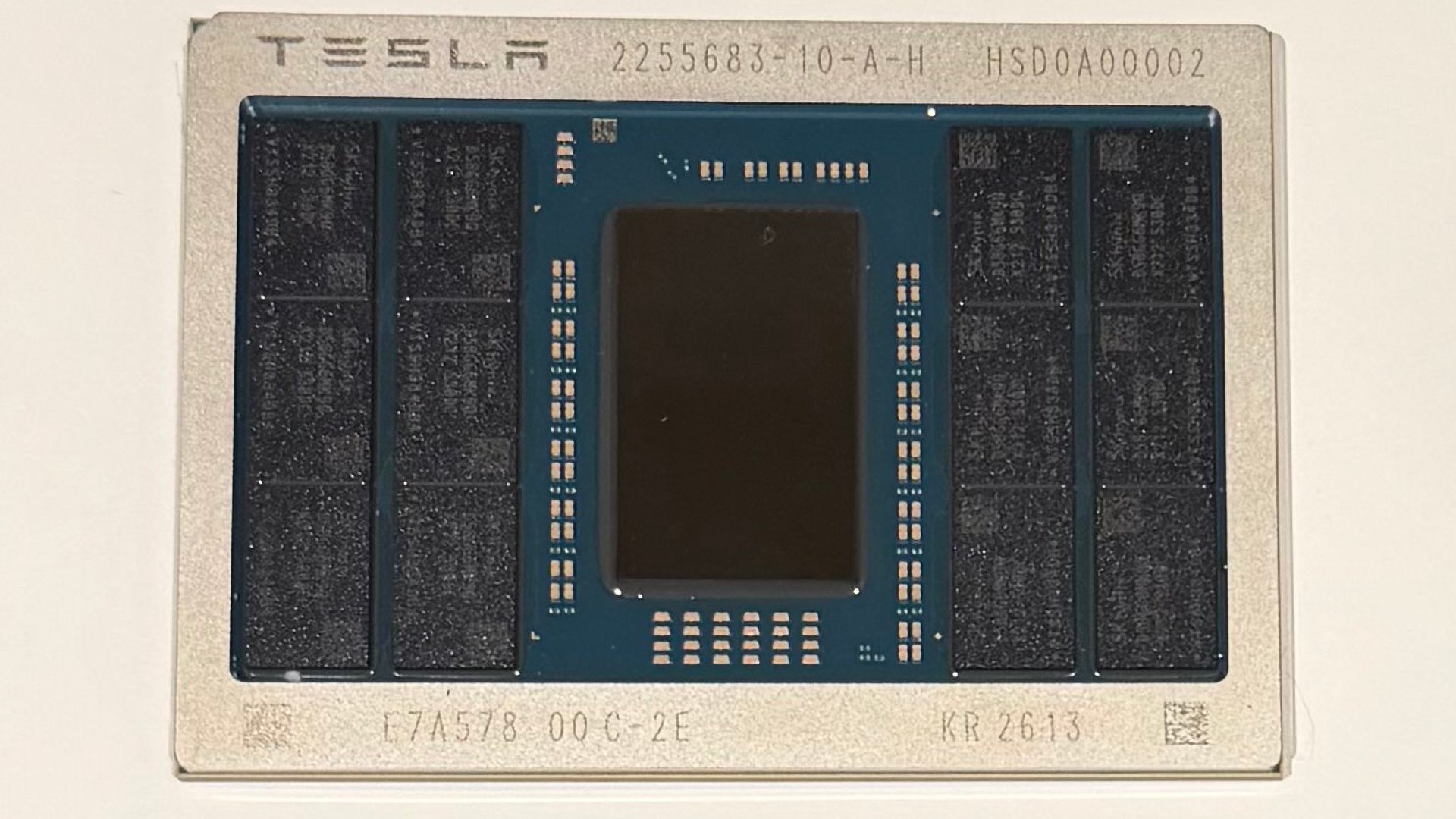
Excerpts from the company's confidentially filed $1.75 trillion IPO registration list in-house GPU production as a major capital expenditure, alongside the Terafab chip venture Elon Musk is developing with Tesla and xAI using Intel's 14A process node.
First-quarter revenue of $13.6 billion topped Wall Street estimates by more than $1 billion, driven by a 22% jump in the Data Center and AI segment, sending shares up more than 20%.
The Wall Street Journal reports Alphabet unveiled a processor aimed at running AI models (inference), highlighting demand growth as companies deploy generative AI systems.
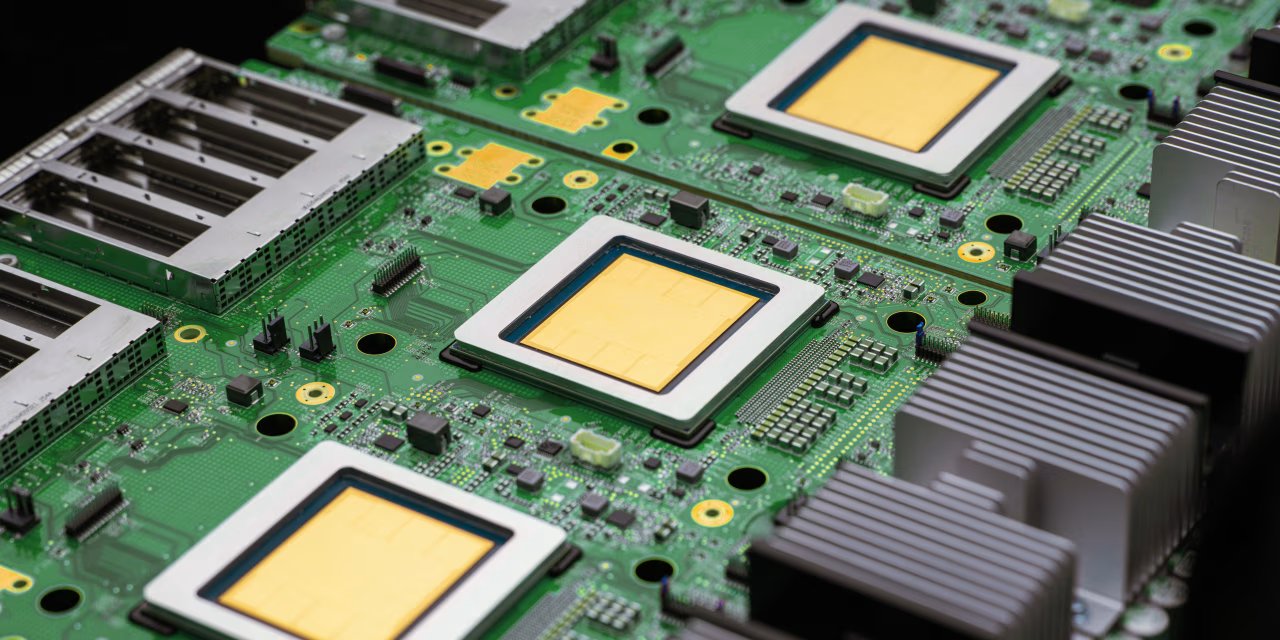
The TPU 8t delivers 2.8 times the compute of its predecessor for model training, while the TPU 8i offers a 9.8-times improvement per pod for agentic inference — and both will be available from Google Cloud later in 2026.
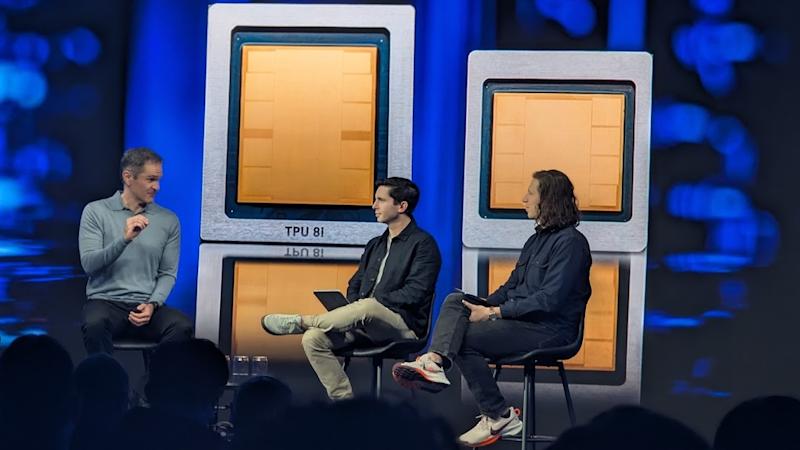
At its annual Las Vegas conference, Google consolidated its AI products under a unified enterprise agent brand and announced a $750 million fund to help cloud partners sell AI agents to businesses.
The sweeping new deal with Amazon, which builds on $8 billion in prior investment, turns Anthropic into one of Amazon's most significant cloud and chip customers alongside its role as a portfolio company.
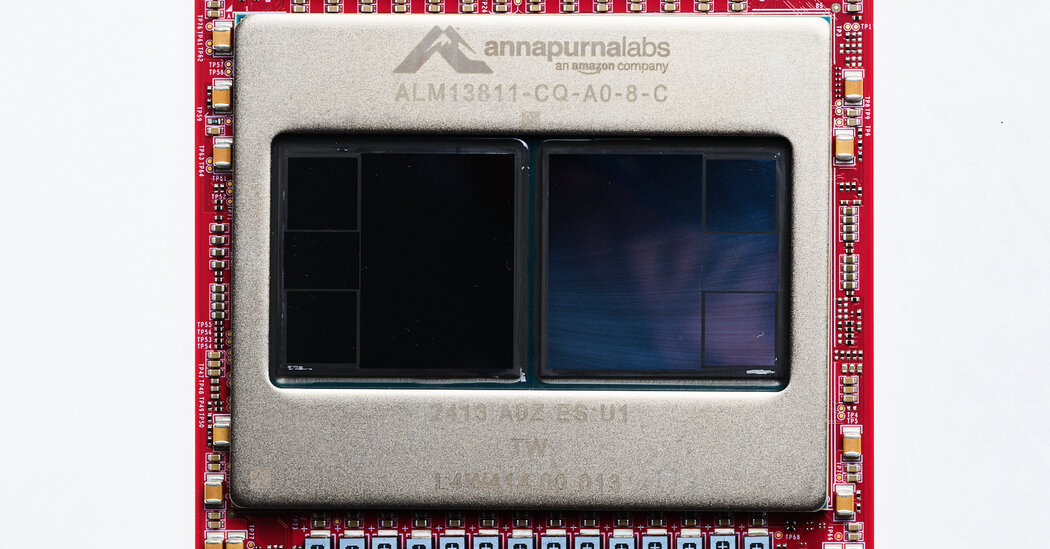
The deal includes a $5 billion upfront commitment plus $20 billion tied to milestones, and requires Anthropic to spend $100 billion on AWS over the next decade.

The world's largest contract chipmaker delivered its fourth consecutive quarter of record earnings as AI chip demand outpaces supply, with Nvidia now its largest customer and Q2 revenue guidance of $39–40.2 billion.
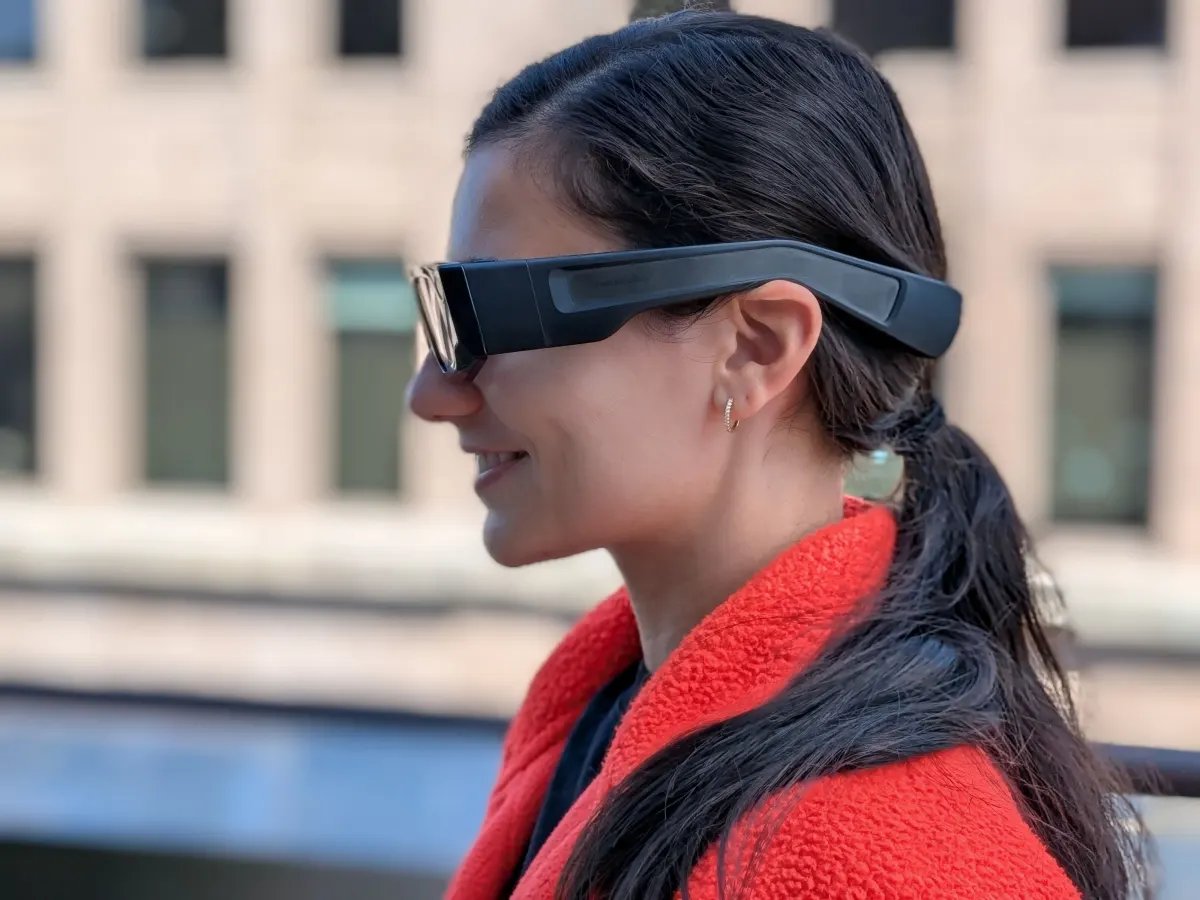
Snap's AR-focused hardware subsidiary Specs deepened its hardware relationship with Qualcomm as the company simultaneously cut 16 percent of its workforce to fund a more focused bet on AI-enabled consumer devices.
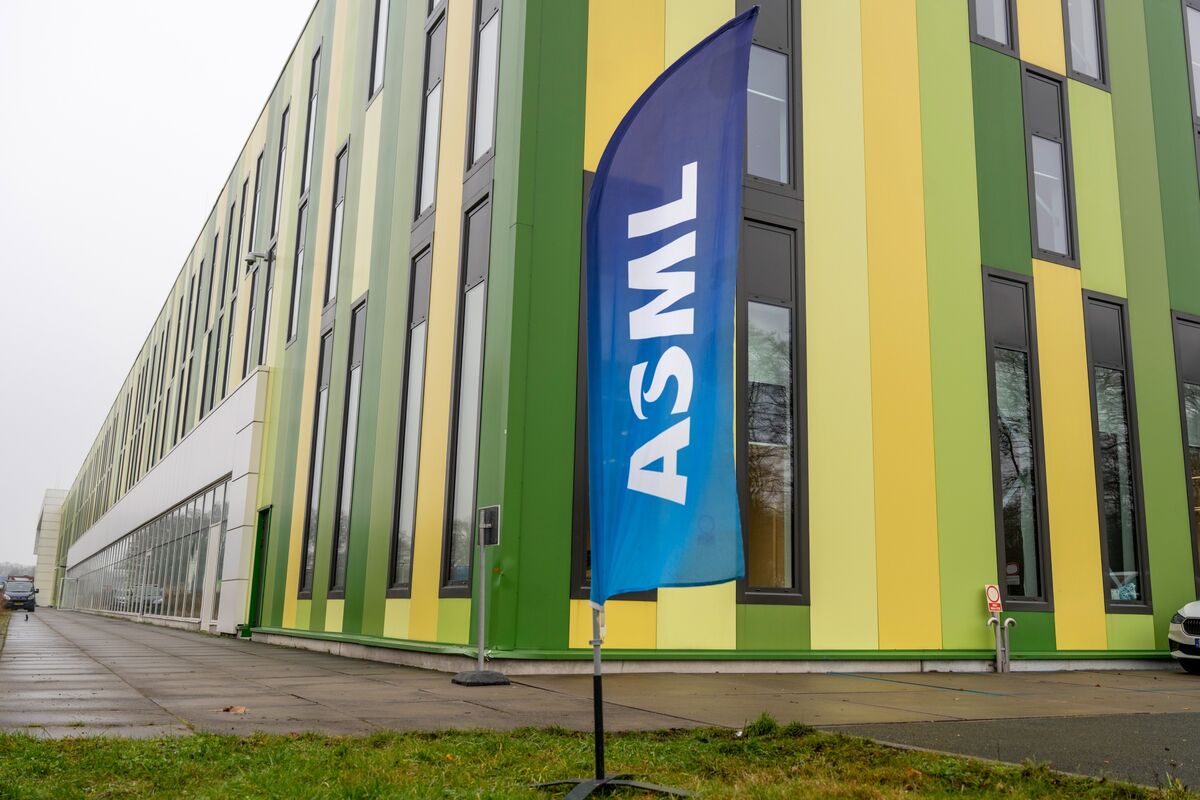
The chip equipment giant lifted its annual revenue outlook to €36–40 billion on strong AI demand, but investors sold shares on concern that new US restrictions could cut Chinese orders, which currently account for about 20 percent of ASML's sales.
Taiwan's chip giant posted revenue of NT$1.13 trillion for Q1 2026, a 35 percent year-over-year rise, setting the stage for a formal earnings report on April 16 expected to confirm a fourth straight quarterly record.
The agreement gives Anthropic a new tranche of Nvidia-powered data center capacity in the US, as demand for Claude continues to surge past a $30 billion annual run rate.
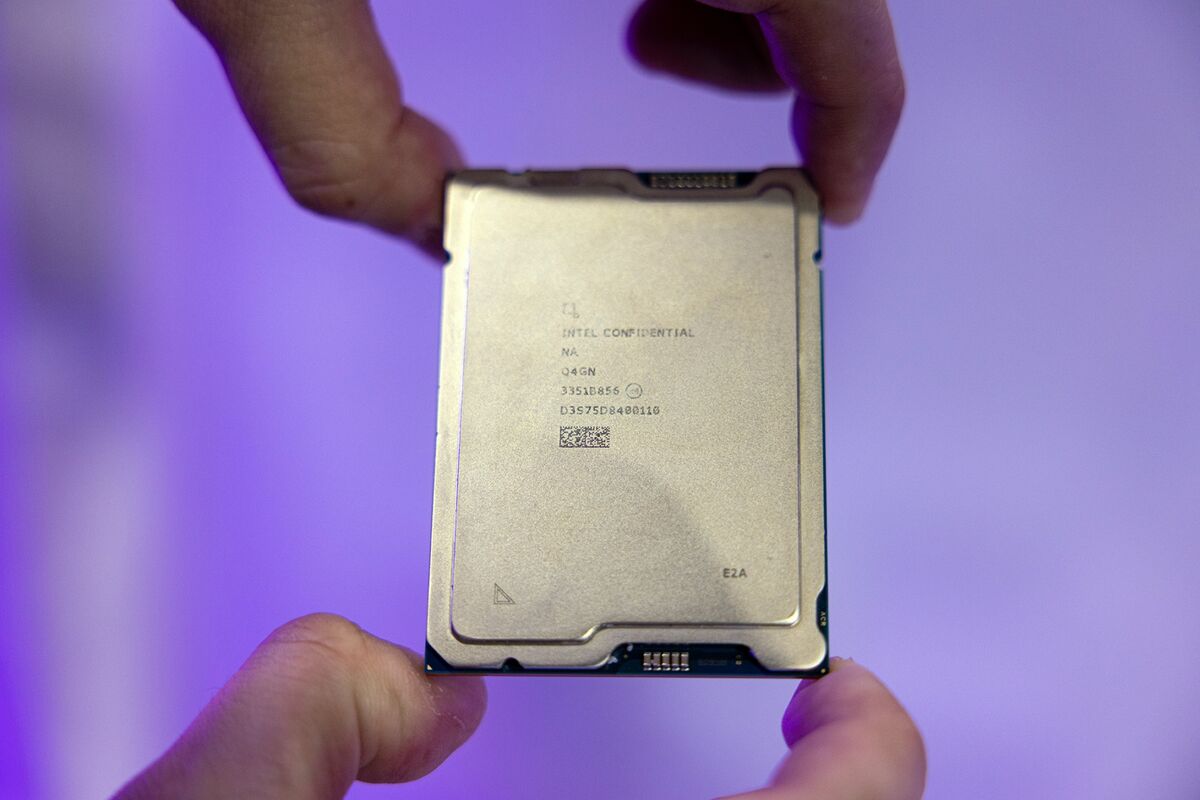
The partnership gives Intel a crucial validation of its data center chip roadmap at a moment when the company is fighting to stay relevant against Nvidia and custom silicon.
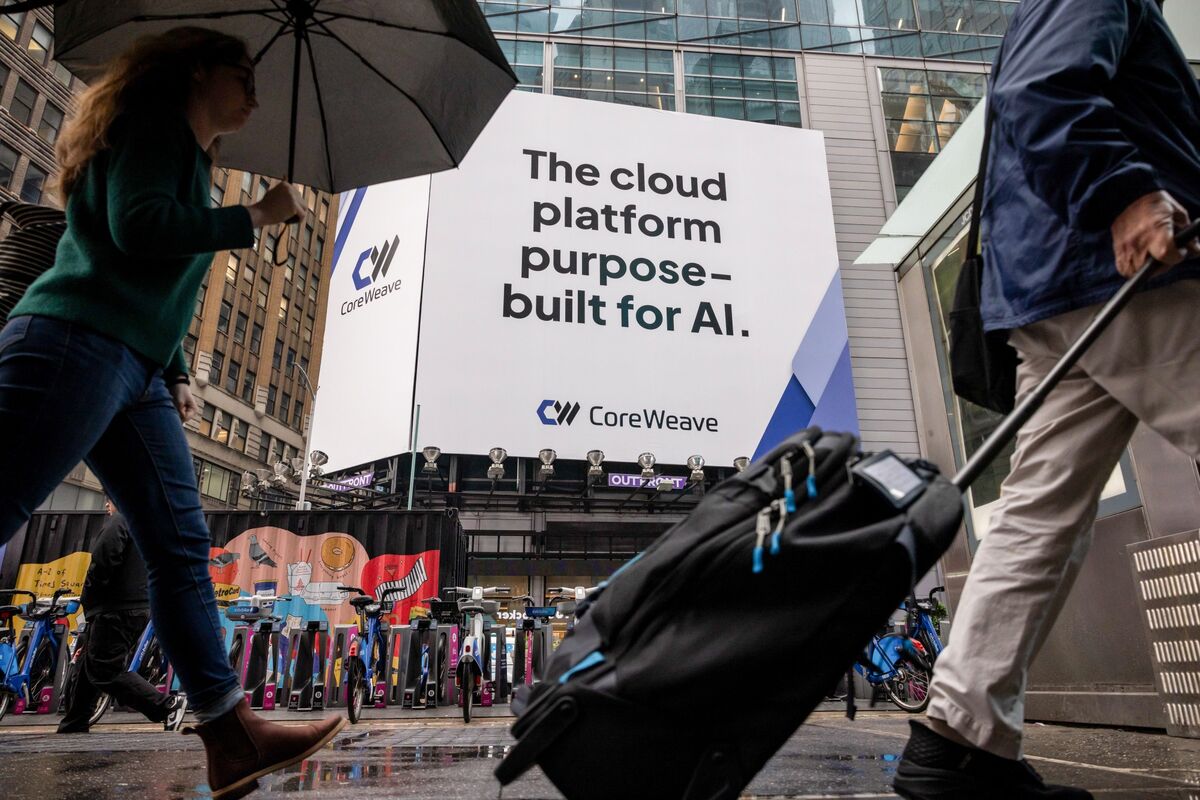
The cumulative commitment cements Mississippi as one of the largest sites of AI infrastructure investment in the United States, with new campuses and a 616-megawatt renewable energy buildout.
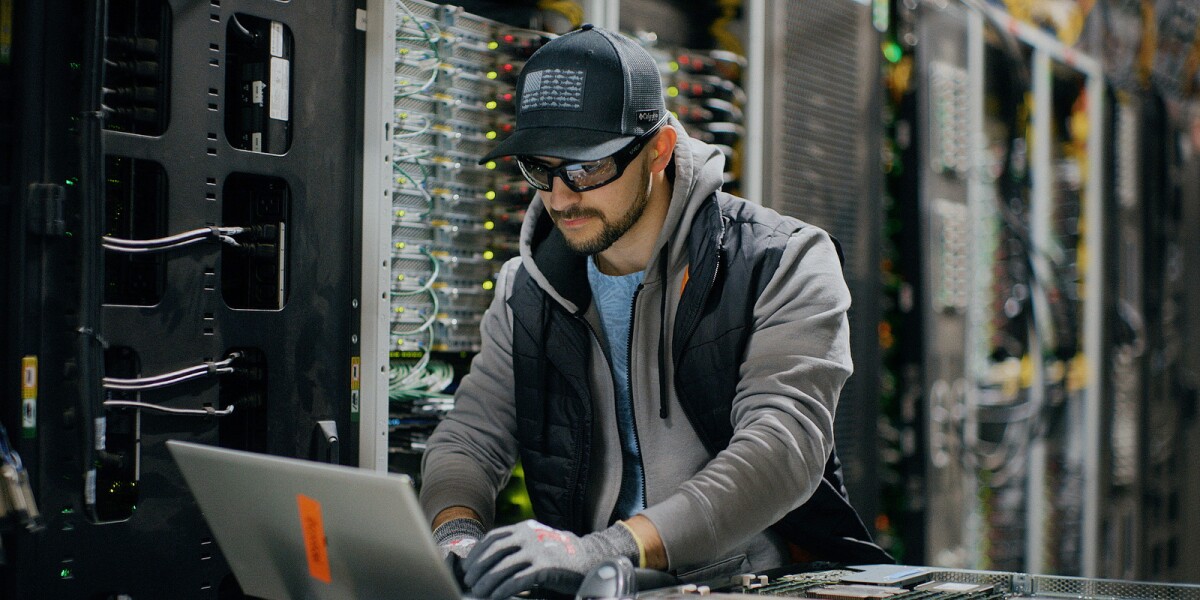
The three competing AI labs are sharing intelligence to detect adversarial distillation — a practice where foreign actors extract proprietary capabilities from frontier models without authorization.
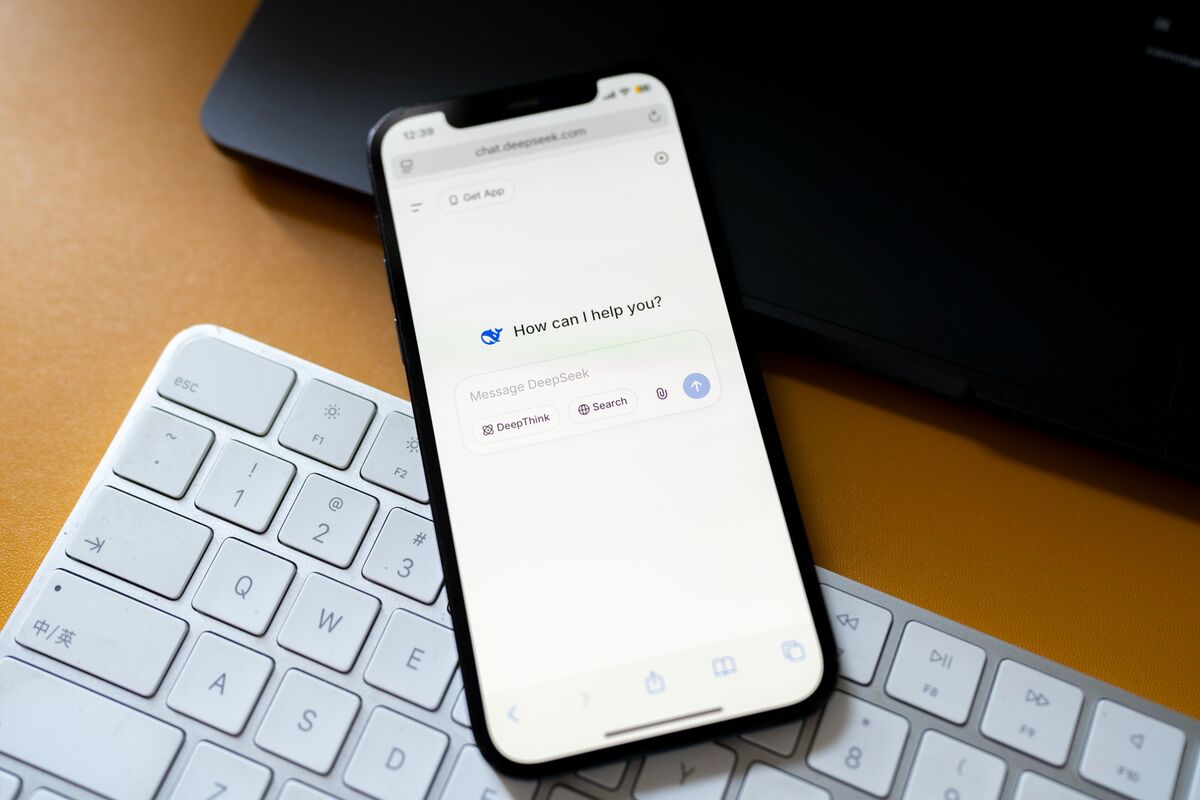
The Nvidia manufacturing partner's quarterly results signal that hyperscaler appetite for AI compute hardware remains robust despite geopolitical headwinds.
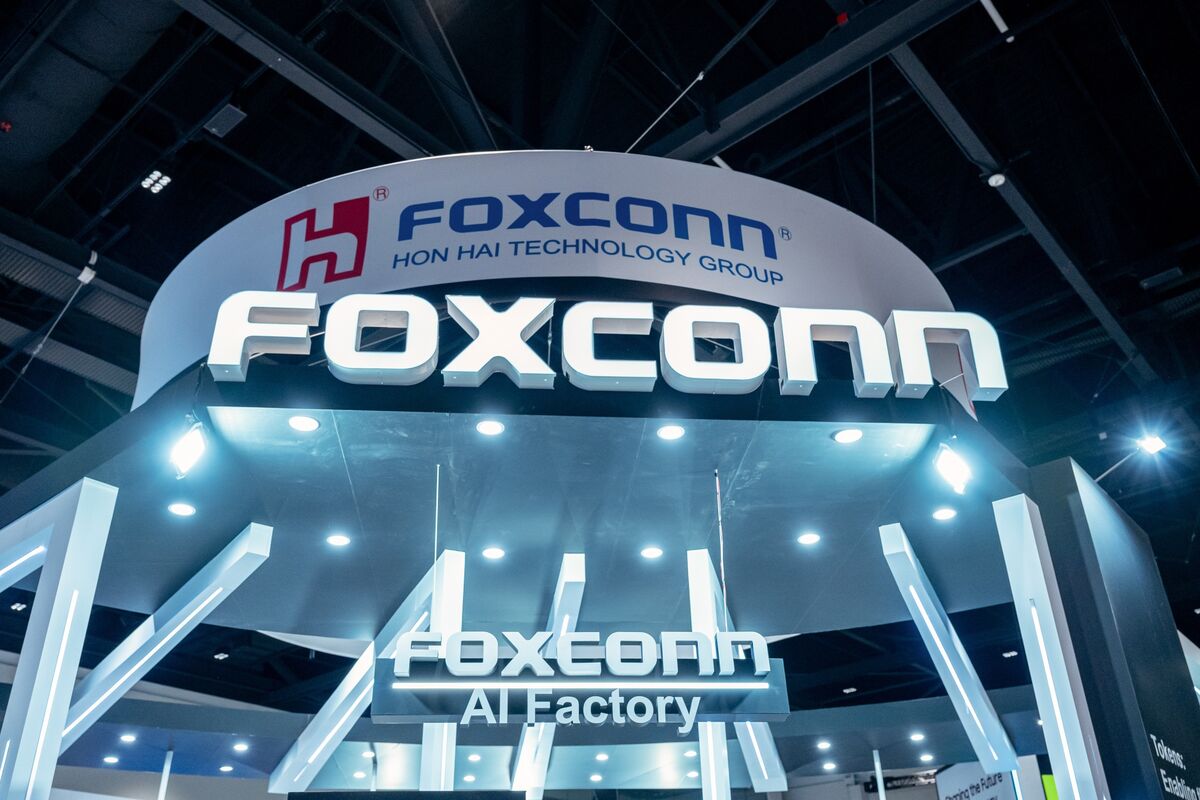
The MAI Superintelligence team's first commercial model releases beat competitors on key benchmarks while undercutting OpenAI and Google on price.
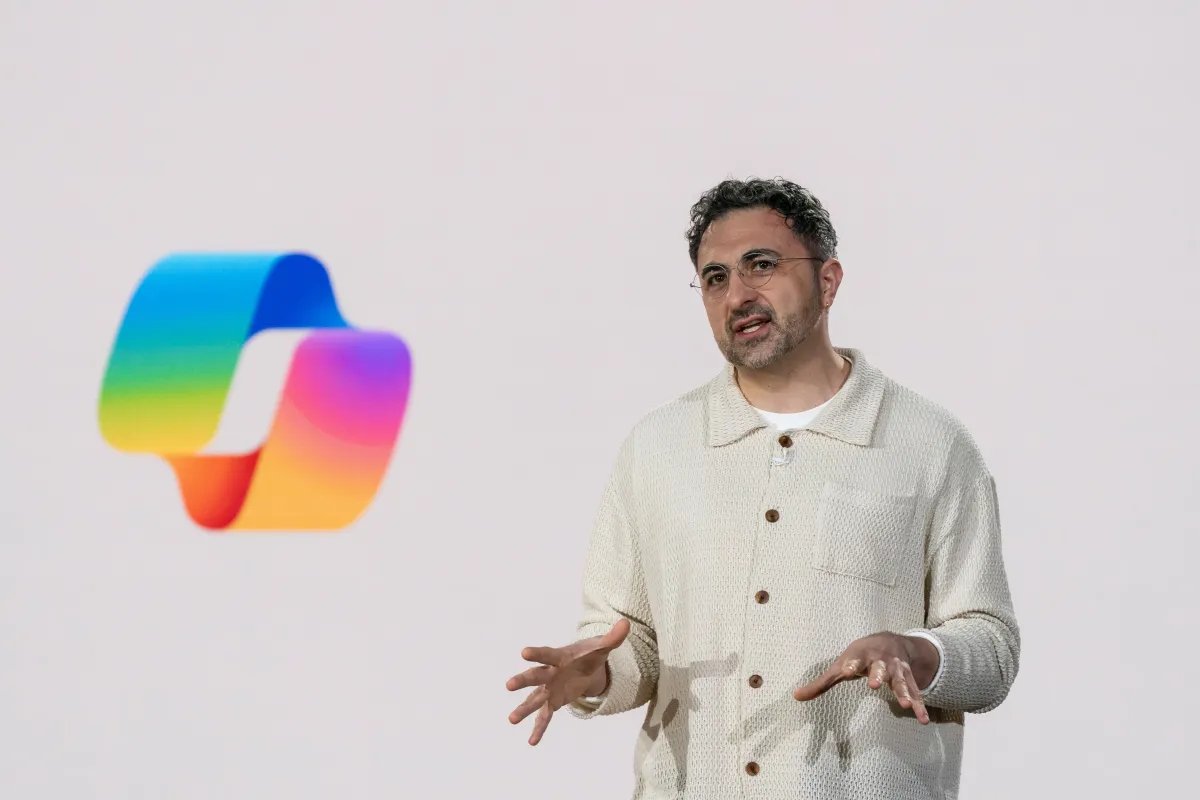
The acquisition accelerates Anthropic's push into life sciences, adding a ten-person team of computational drug discovery veterans to its health division.
Four mega-deals — OpenAI, Anthropic, xAI, and Waymo — accounted for 63% of a quarter that smashed every previous record by a factor of 2.5 over the prior quarter.
The investment integrates Marvell's custom chip design and silicon photonics technology into Nvidia's AI infrastructure ecosystem, giving hyperscalers more options beyond standard GPU configurations.
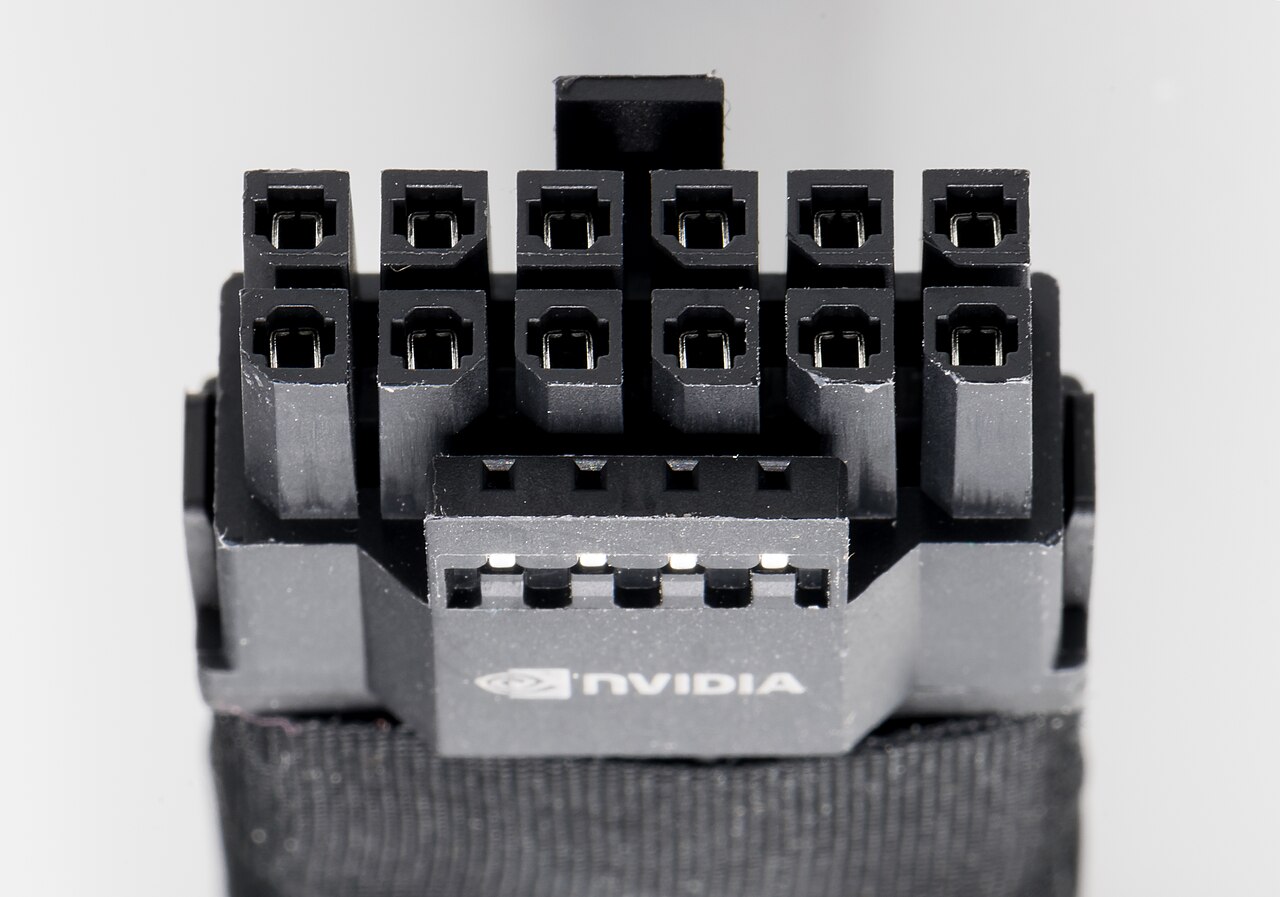
The South Korean memory giant's planned US listing aims to fund HBM capacity expansion and could help relieve the supply crunch stalling AI hardware builds worldwide.
The Trump administration's six-part legislative blueprint calls on Congress to block state-level AI regulations, limit AI developer liability, and establish uniform federal standards to prevent a regulatory patchwork.
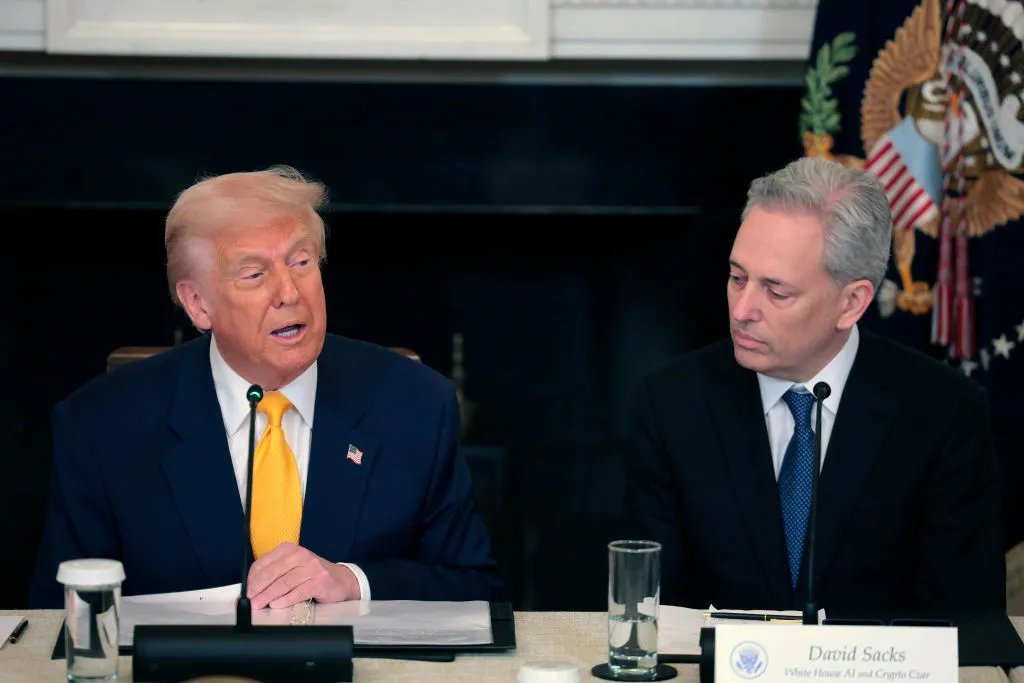
The Trump administration's framework urges Congress to preempt state AI regulations in California, Colorado, and New York and standardize the permitting process for the data centers that power AI systems.
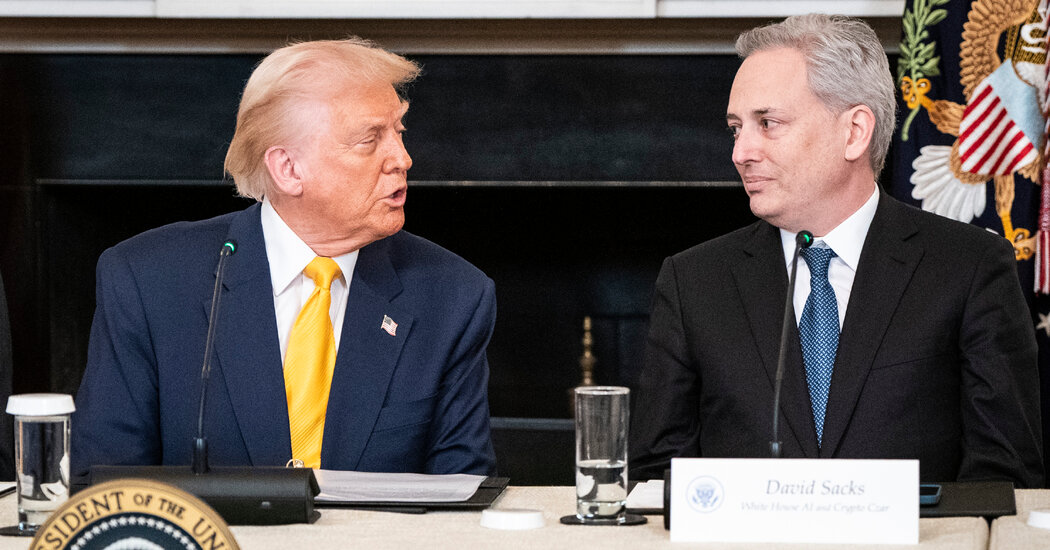
Axios analysis finds the White House AI proposal offers Congress a set of broad priorities rather than a legislative agenda, and may struggle to gain traction even among Republicans.
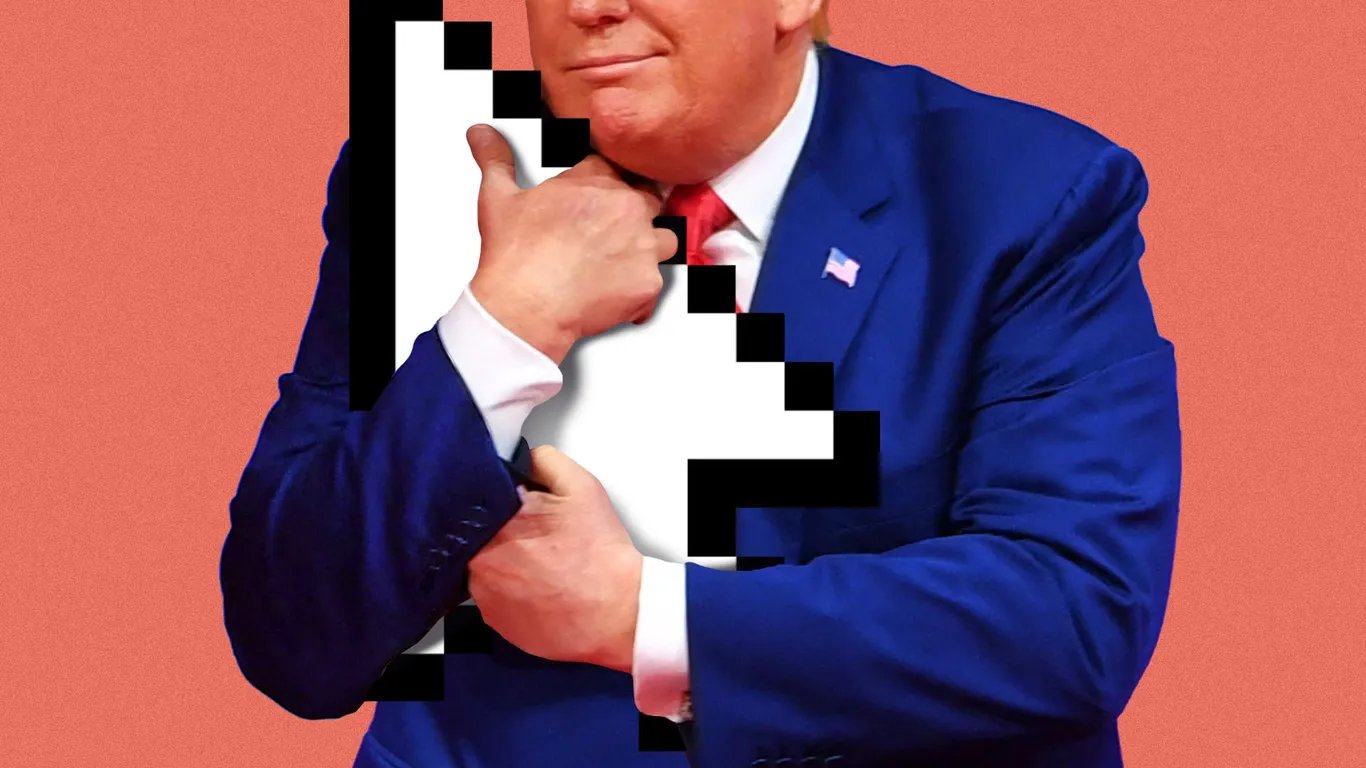
The conference confirmed that Nvidia's competitive edge is shifting from selling individual chips to delivering integrated rack-scale systems built for the age of autonomous AI agents.
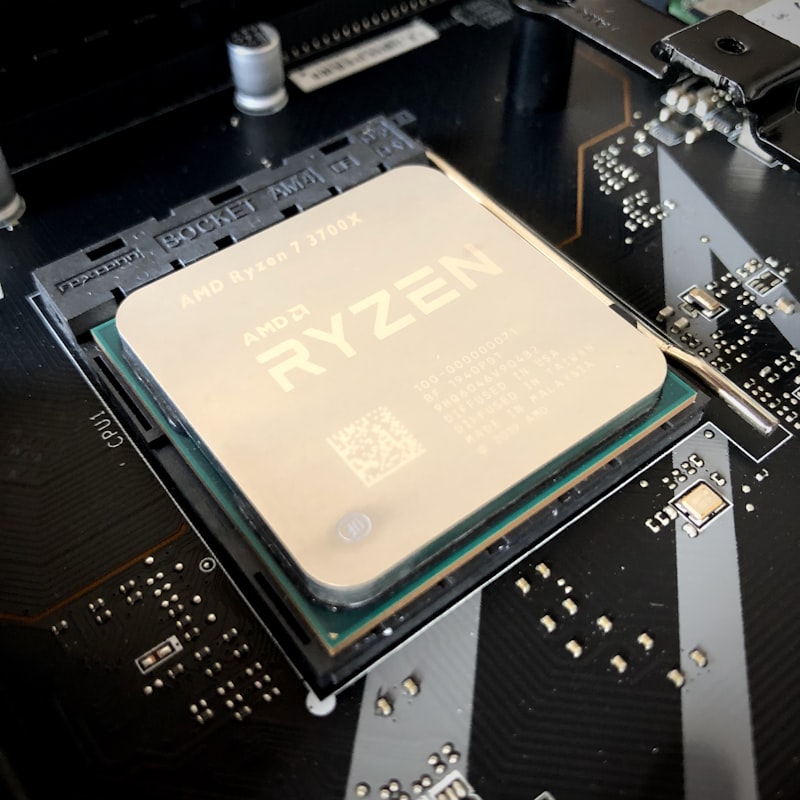
Jensen Huang declared that space computing "has arrived" as Nvidia announced chip platforms for orbital deployments in partnership with Axiom Space, Starcloud, and Planet.

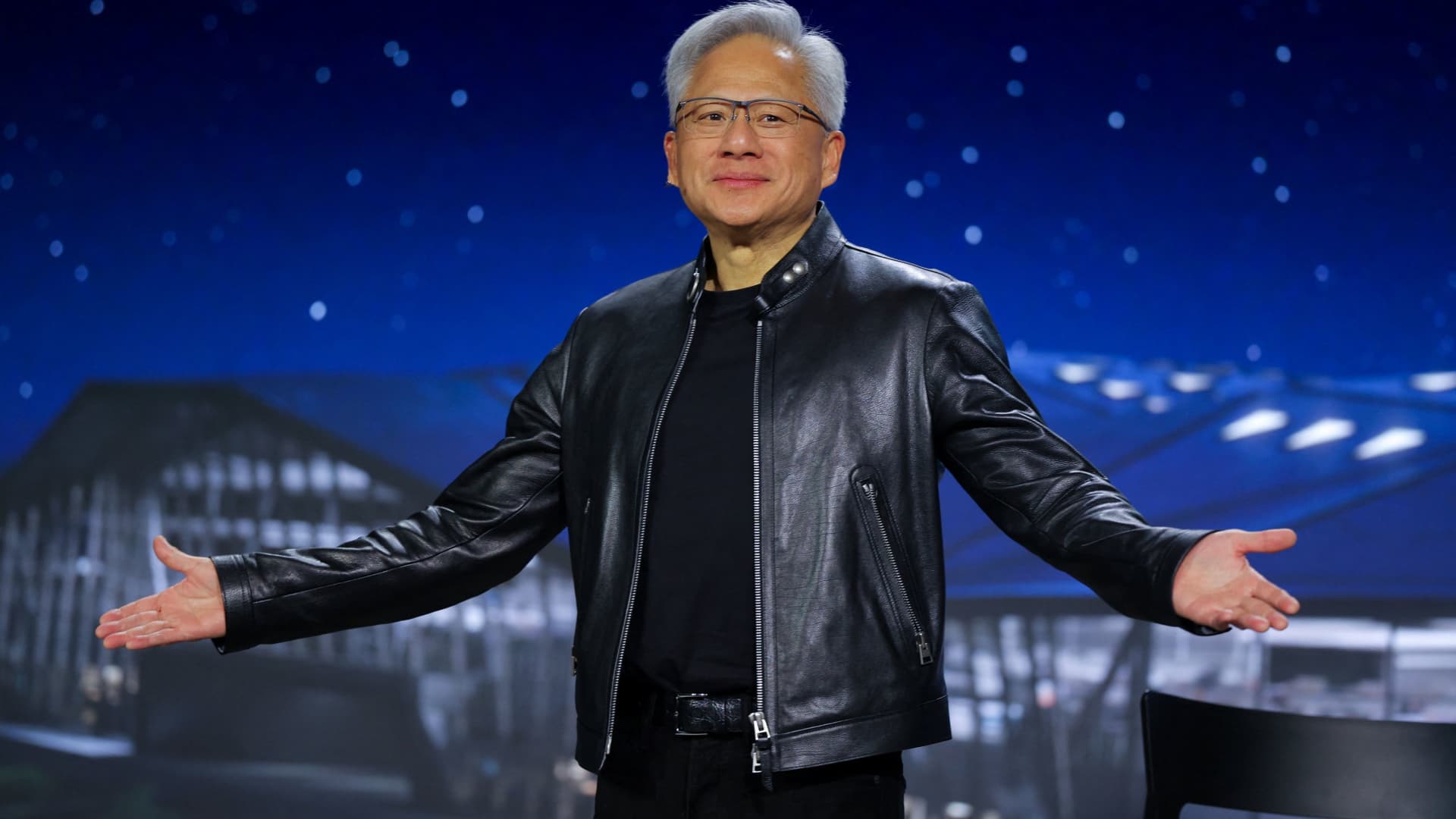
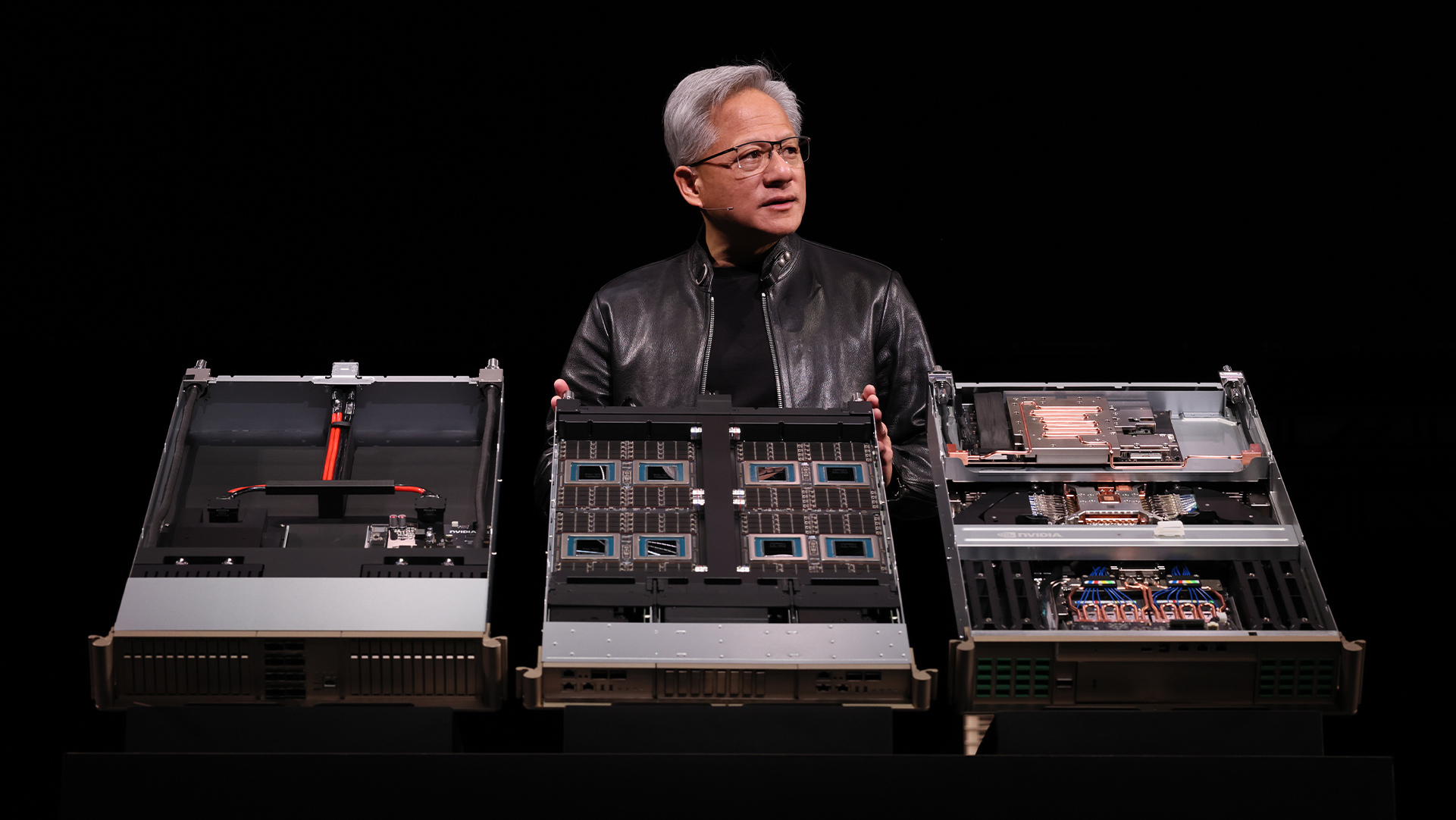
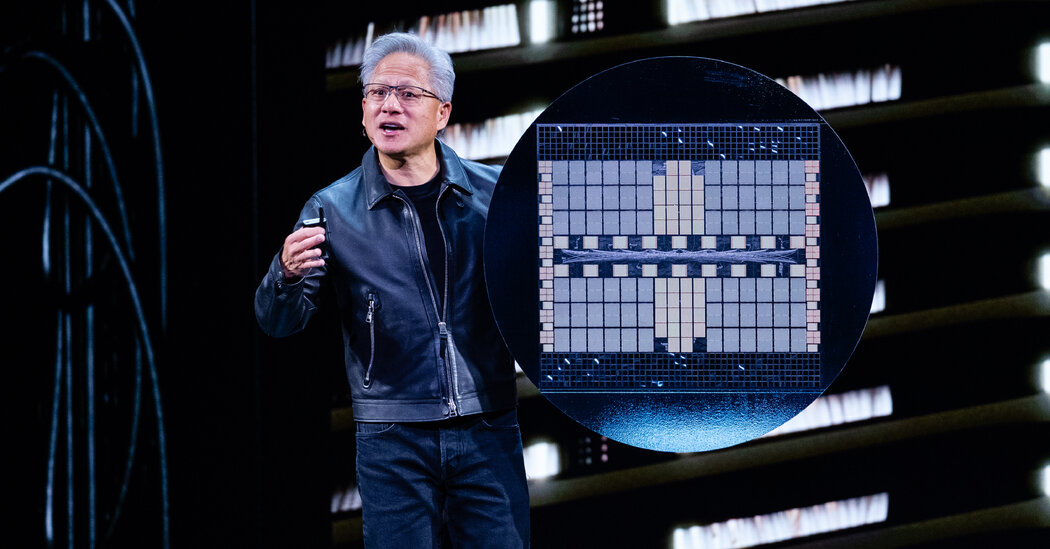
Jensen Huang's keynote at the SAP Center in San Jose introduced a seven-chip computing platform and an entirely new class of AI inference processor derived from Nvidia's $20 billion Groq acquisition.
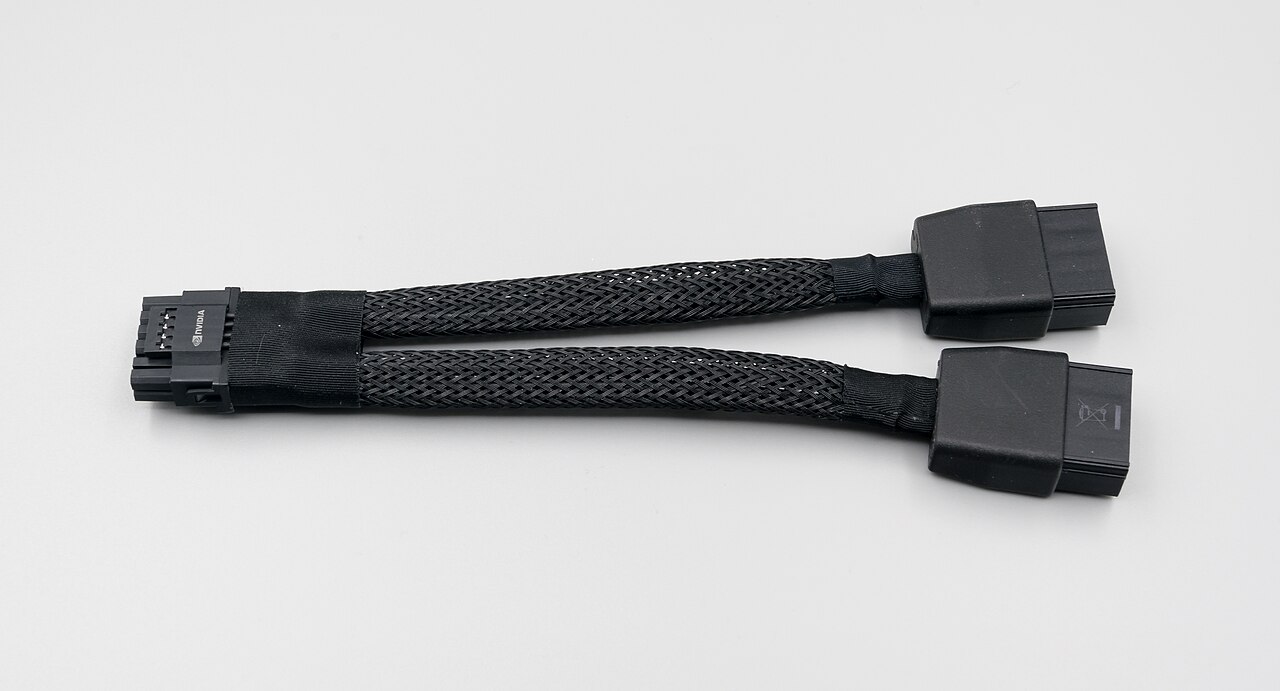
The open-source stack adds policy enforcement, privacy routing, and network guardrails to OpenClaw, which Huang called the most popular open-source project in history and said every company will need a strategy for.
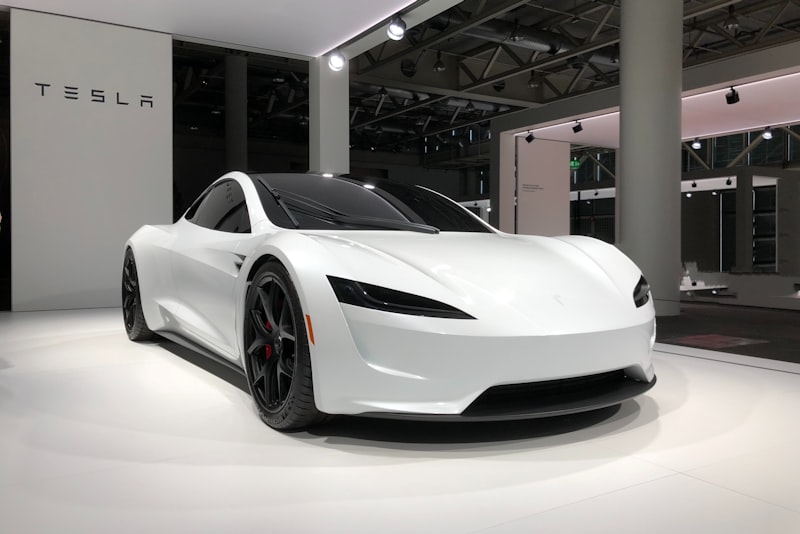
Four new automaker partnerships announced at GTC 2026 bring Nvidia's Drive Hyperion autonomous vehicle development platform to some of the world's largest car manufacturers.
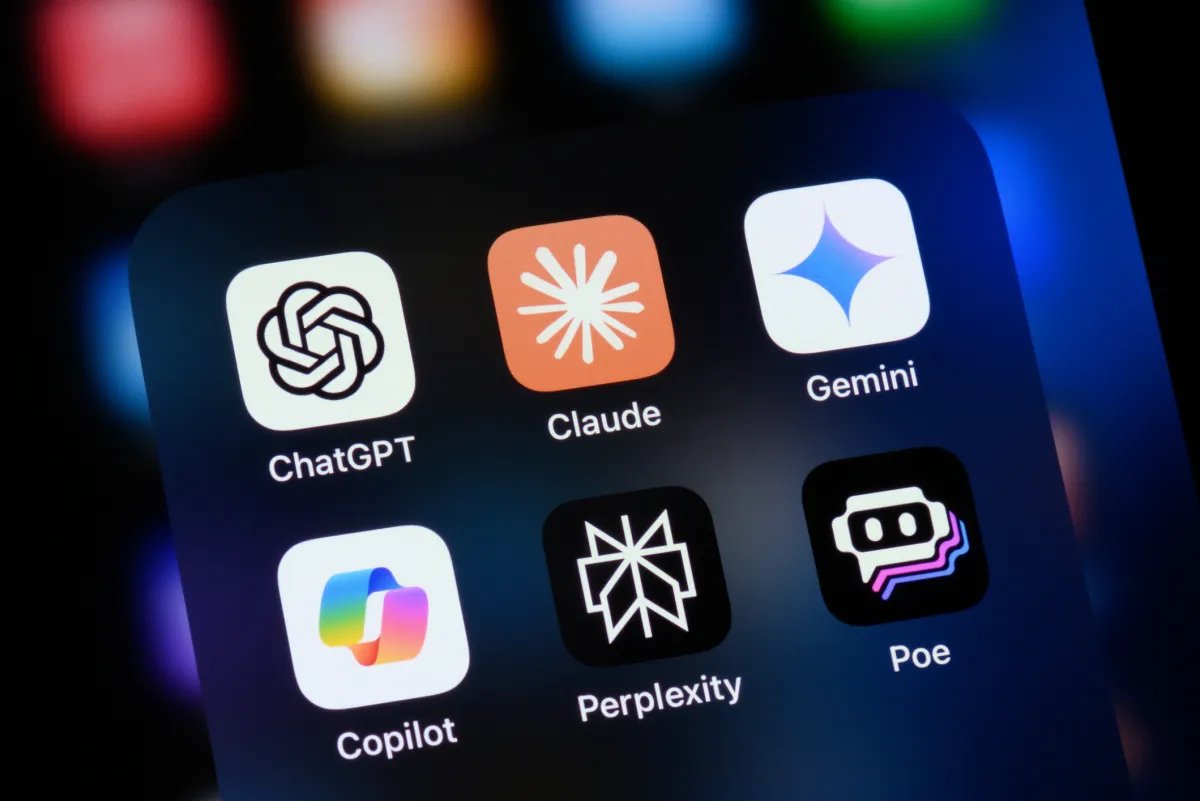
From Anthropic's Pentagon battle to the data center construction boom and hardware price inflation, a roundup of the defining AI narratives through mid-March finds the industry at a pivotal inflection.
Executives from leading AI labs told attendees that a non-linear capability leap is coming by mid-2026, while a Morgan Stanley survey found AI already caused a 4% average net workforce reduction globally.

The social media giant's accelerated silicon roadmap targets both ranking and generative AI inference, with all four chip generations deploying within two years at a pace far faster than industry norms.

Following a week of AI-dominated presentations from hundreds of company executives, the bank's analysts said nearly every business is now defining itself as either an AI enabler or AI adopter.

The Turing Award winner's new startup, backed by Nvidia, Samsung, and Bezos Expeditions, is betting that world models will surpass large language models for real-world applications.

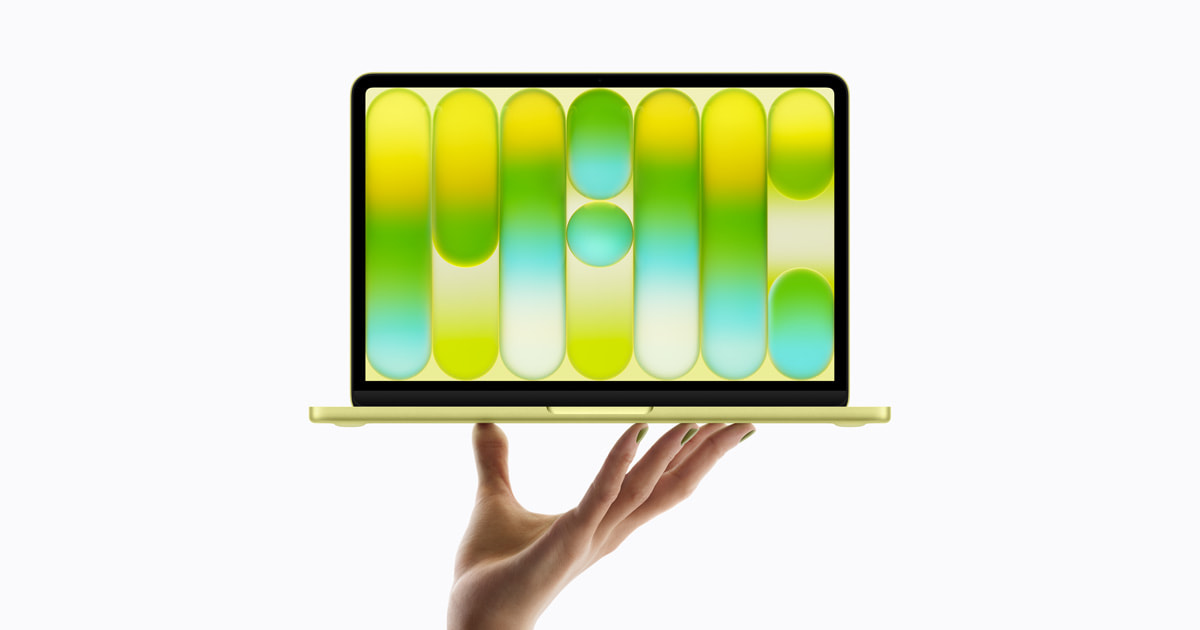
The MacBook Neo uses Apple's A18 Pro mobile processor — a first for any Mac — targeting Chromebook and Windows users with a breakthrough entry price.
Mobile World Congress kicked off with device makers showcasing on-device AI chips, foldables, and a functional robot phone with an autonomous tracking camera.

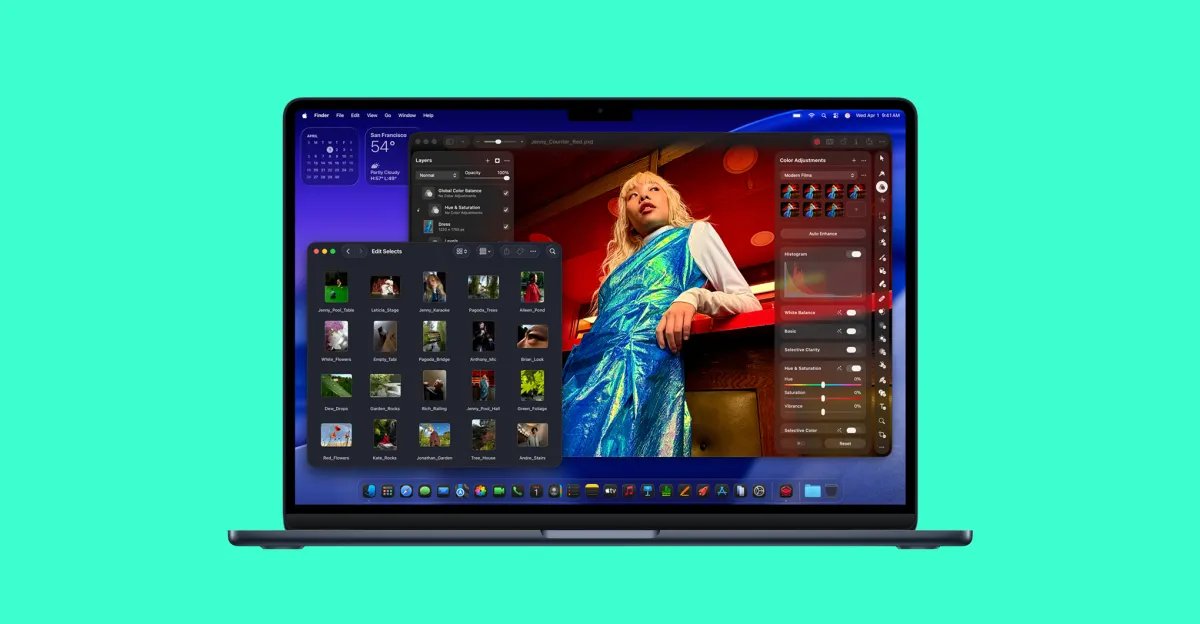
The new MacBook Air doubles base storage to 512GB and gains Wi-Fi 7, while the MacBook Pro gains M5 Pro and M5 Max chips with larger base storage.
A comprehensive analysis of AI infrastructure commitments finds hyperscalers planning nearly $700 billion in 2026 data center spending, with Stargate construction underway in Texas and Oracle locking in $300 billion in compute contracts.
OpenAI's record-shattering funding round, led by a $50 billion Amazon commitment, is the largest private financing in history and cements deep infrastructure partnerships running on Amazon's cloud and Nvidia's Vera Rubin chips.

Nvidia's fiscal fourth quarter delivered its most profitable period ever, surpassing the quarterly earnings of Apple, Microsoft, and Alphabet, with data center revenue surging 75% year-over-year to $62.3 billion.
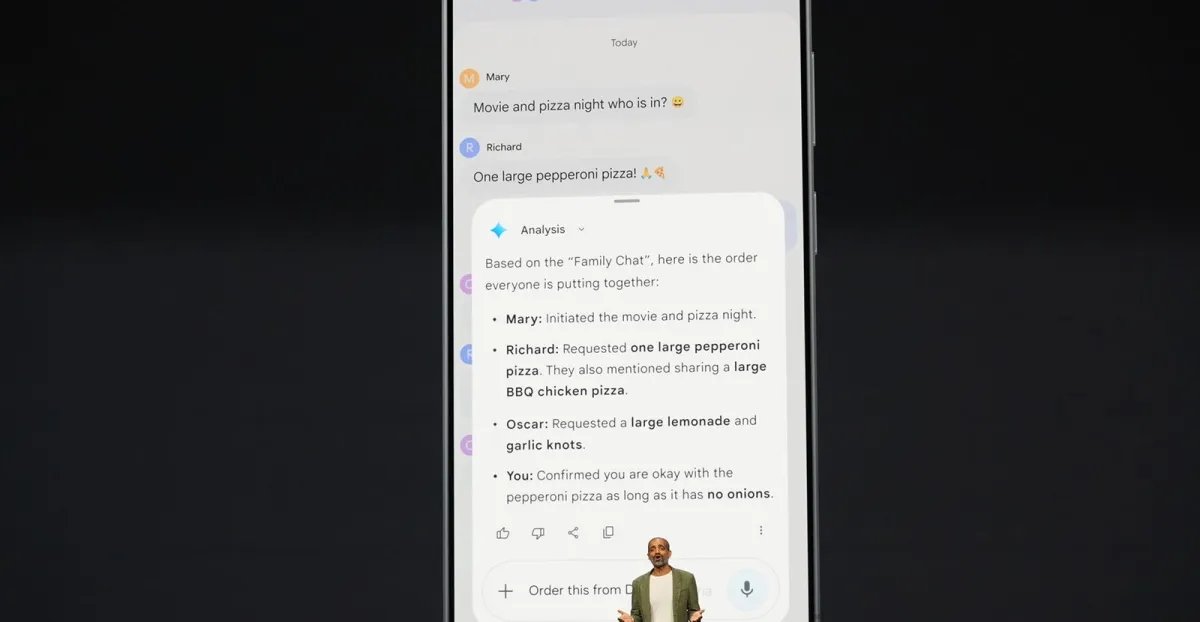
At Samsung's Galaxy S26 Unpacked event, Google demonstrated Gemini's ability to autonomously complete multi-step tasks — like analyzing group chats and ordering food through apps — a capability Apple promised for Siri in 2024 but has yet to ship.
AMD and Meta announced a sweeping chips-for-stock agreement under which Meta will acquire AI chips equivalent to six gigawatts of capacity and gain the option to purchase up to a 10% stake in AMD.