ASML Shares Slide Despite Raised 2026 Forecast as Investors Weigh China Export Risk
The chip equipment giant lifted its annual revenue outlook to €36–40 billion on strong AI demand, but investors sold shares on concern that new US restrictions could cut Chinese orders, which currently account for about 20 percent of ASML's sales.
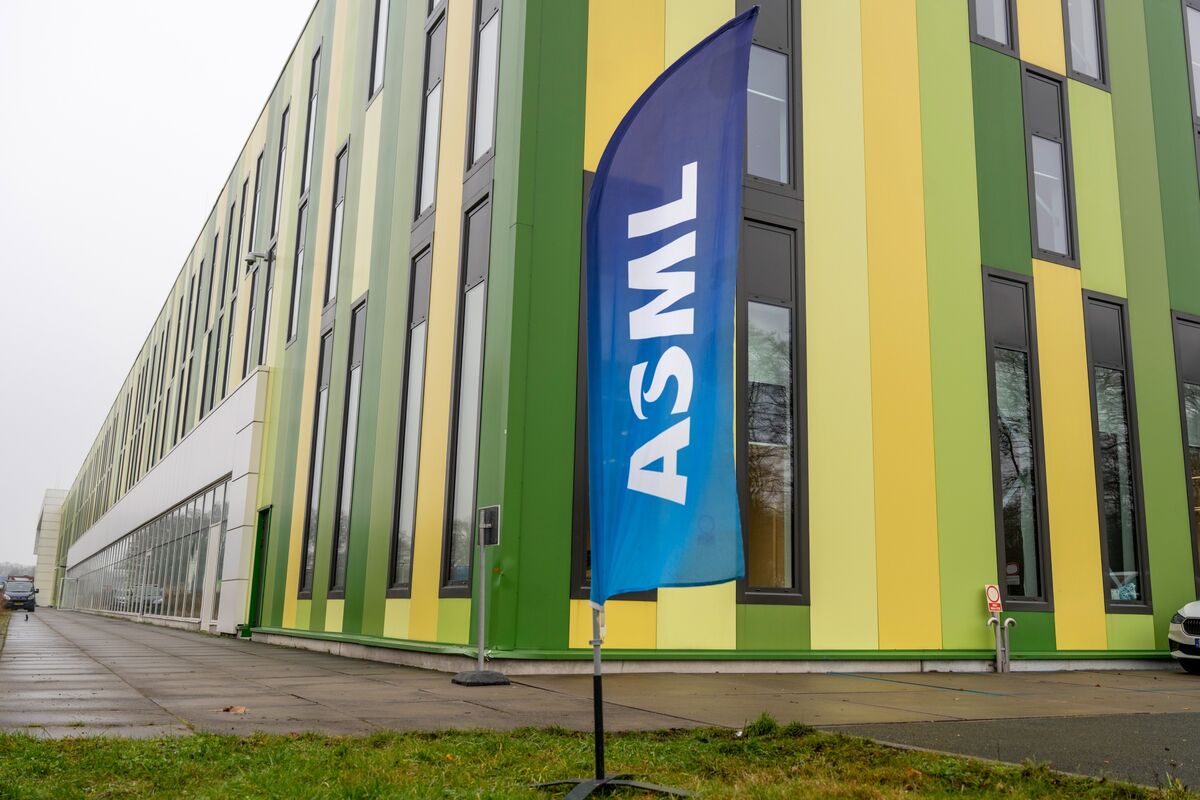
ASML raised its full-year 2026 revenue forecast to between €36 billion and €40 billion on April 15, citing surging AI-driven demand from its semiconductor manufacturing customers, but shares fell sharply as investors focused on downside risks tied to export controls on China. The stock tumbled as much as 6 percent intraday before closing roughly 2.5 percent lower.
The Dutch company's equipment — particularly its extreme ultraviolet lithography machines, which are essential for producing the most advanced AI chips — is in unprecedented demand as TSMC, Samsung, and Intel race to expand capacity. ASML's order intake surged in the most recent quarter, and CEO Christophe Fouquet said customers had accelerated capacity expansion plans and increased their expected medium-term orders for ASML systems.
The concern weighing on investors centered on the proposed US MATCH Act, congressional legislation that could further restrict ASML's ability to sell chipmaking equipment to Chinese customers. CFO Roger Dassen acknowledged that if such restrictions were enacted, full-year revenue could trend toward the lower end of the guidance range, though he noted that some of the displaced Chinese demand could be redirected to customers in other markets.
China currently accounts for approximately 20 percent of ASML's expected 2026 sales, a significant exposure given the geopolitical trajectory of US technology restrictions. Bloomberg reported that ASML's stock has still risen approximately 40 percent year-to-date, lifted by the AI infrastructure boom, but the market's reaction to the earnings day suggested investors are discounting Chinese revenue with increasing severity.
Read the original reporting at Bloomberg.