TSMC Posts 58% Profit Surge in Q1 2026, Raises Full-Year Forecast to Over 30% Revenue Growth
The world's largest contract chipmaker delivered its fourth consecutive quarter of record earnings as AI chip demand outpaces supply, with Nvidia now its largest customer and Q2 revenue guidance of $39–40.2 billion.
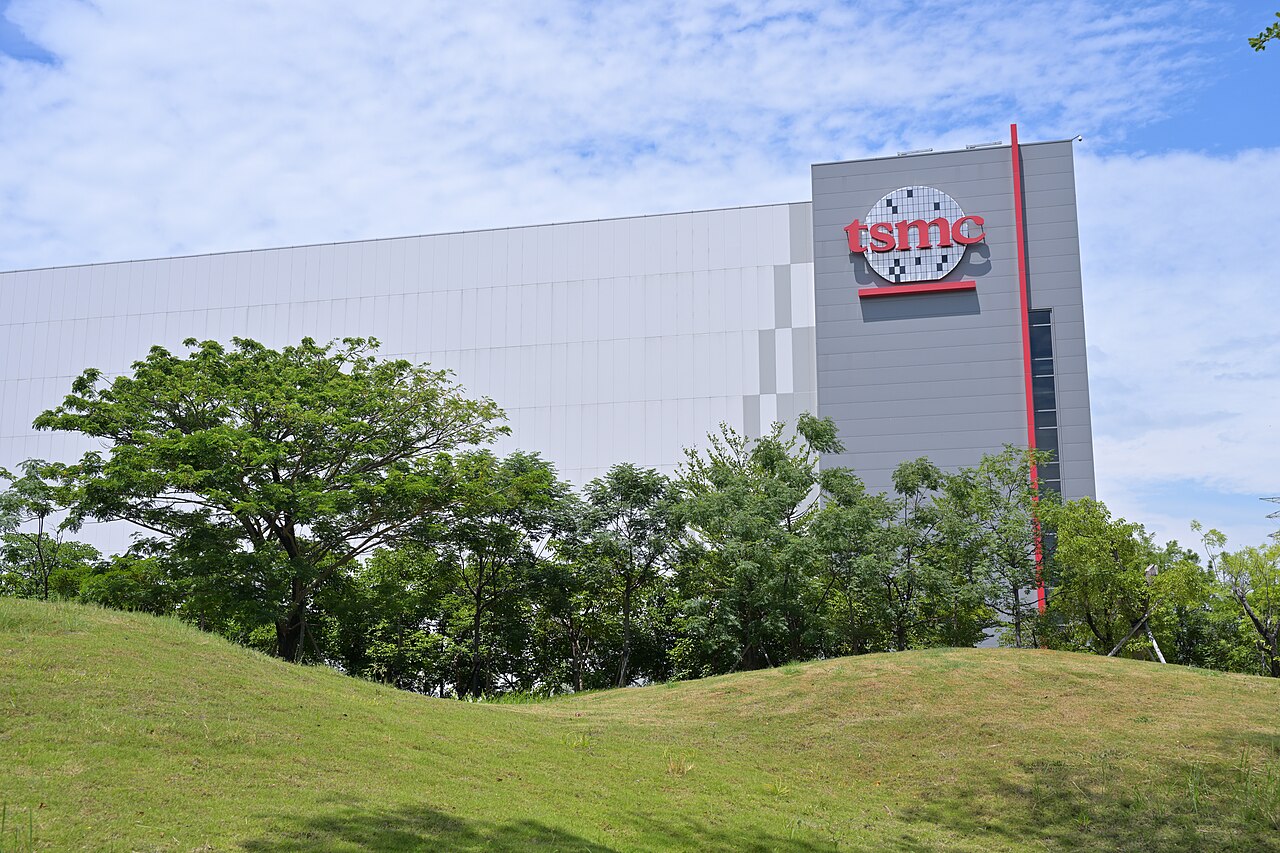
Taiwan Semiconductor Manufacturing Company posted a 58 percent surge in first-quarter net profit on April 16, beating analyst estimates and confirming its fourth consecutive quarter of record earnings driven by insatiable demand for AI chips. Net profit for the January-through-March quarter reached NT$572.48 billion, exceeding the LSEG SmartEstimates consensus of NT$542.4 billion.
Revenue for the quarter climbed 35 percent year-over-year.
CEO and President C.C. Wei told investors that AI demand remains exceedingly strong and that encouraging signals from clients have reinforced the company's belief in the long-term AI megatrend.
TSMC provided second-quarter revenue guidance of $39 billion to $40.2 billion, a 10 percent sequential increase, and raised its full-year revenue growth forecast to over 30 percent in US dollar terms, up from a prior estimate of approximately 30 percent. The company said it will invest capital expenditures at the upper end of its previously disclosed range and will accelerate production of chips manufactured at three nanometers and below.
High-performance computing, which encompasses AI and 5G applications, accounted for 61 percent of Q1 revenue. Chips at seven nanometers or below represented approximately 74 percent of total revenue, and shipments at sub-three-nanometer nodes accounted for 25 percent.
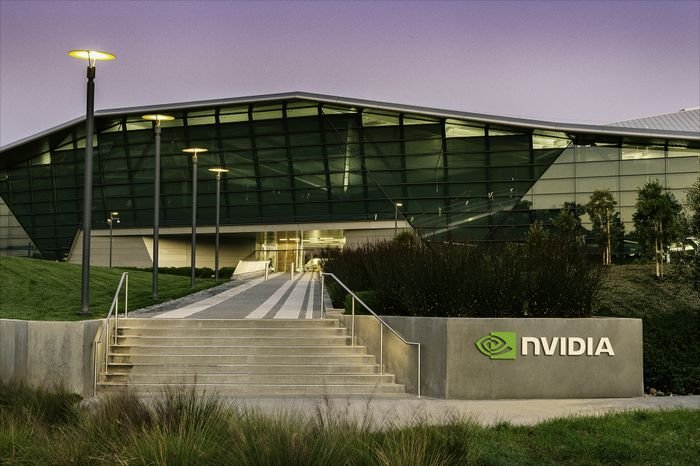
Nvidia has surpassed Apple to become TSMC's largest customer, a milestone reflecting how completely AI training and inference hardware has come to dominate the chipmaking order book.
An independent analyst from Counterpoint Research described conditions as a sold-out scenario likely to persist through at least the end of 2026. The earnings release arrived days after the outbreak of a Middle East conflict that investors had feared might disrupt confidence in global AI investment — the profit results suggested that concern had not materialized in the quarter.
Read the original reporting at CNBC.