Foxconn parent Hon Hai posts 30% revenue surge as AI server demand holds strong into 2026
The Nvidia manufacturing partner's quarterly results signal that hyperscaler appetite for AI compute hardware remains robust despite geopolitical headwinds.
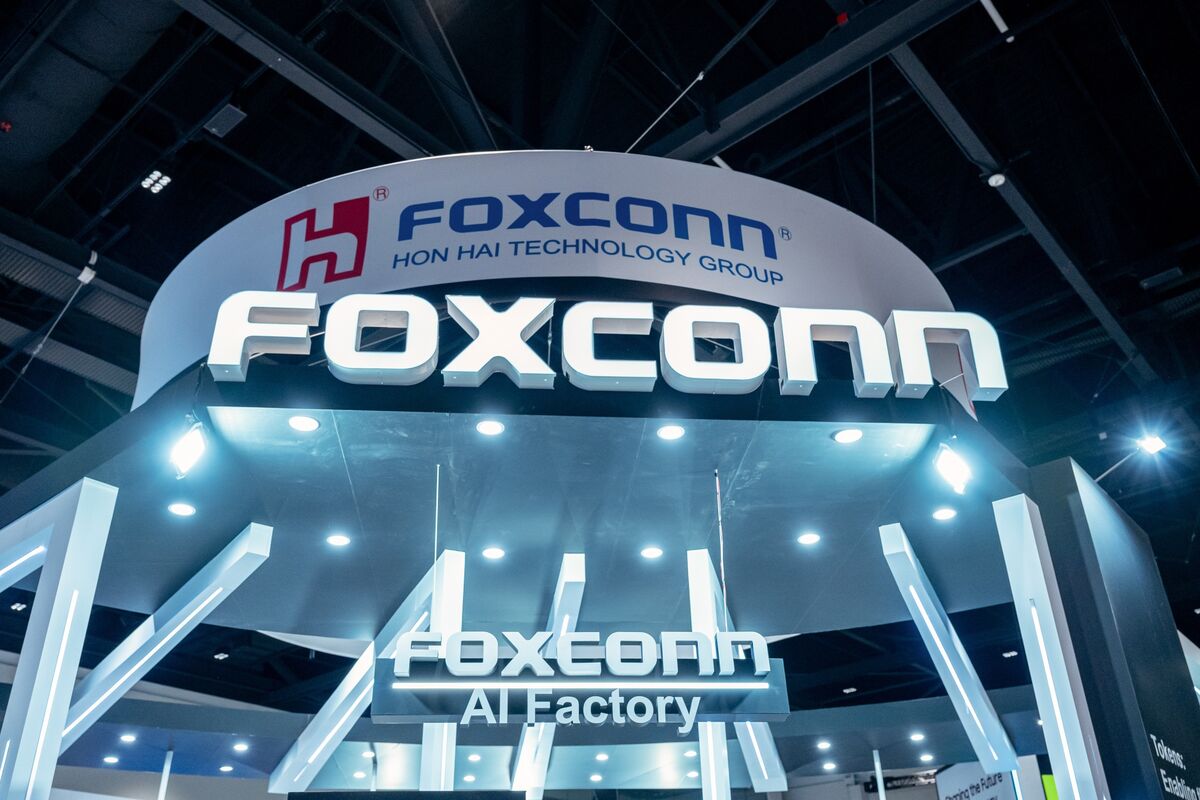
Hon Hai Precision Industry — the Taiwanese electronics giant better known as Foxconn and a key partner in assembling Nvidia's AI servers — reported a 29.7 percent year-over-year rise in quarterly revenue on April 5, with sales for the three months ending in March reaching NT$2.13 trillion, equivalent to approximately $66.5 billion. The result was broadly in line with analyst expectations and underscored that AI hardware demand continues to drive record volumes through the company's manufacturing lines.
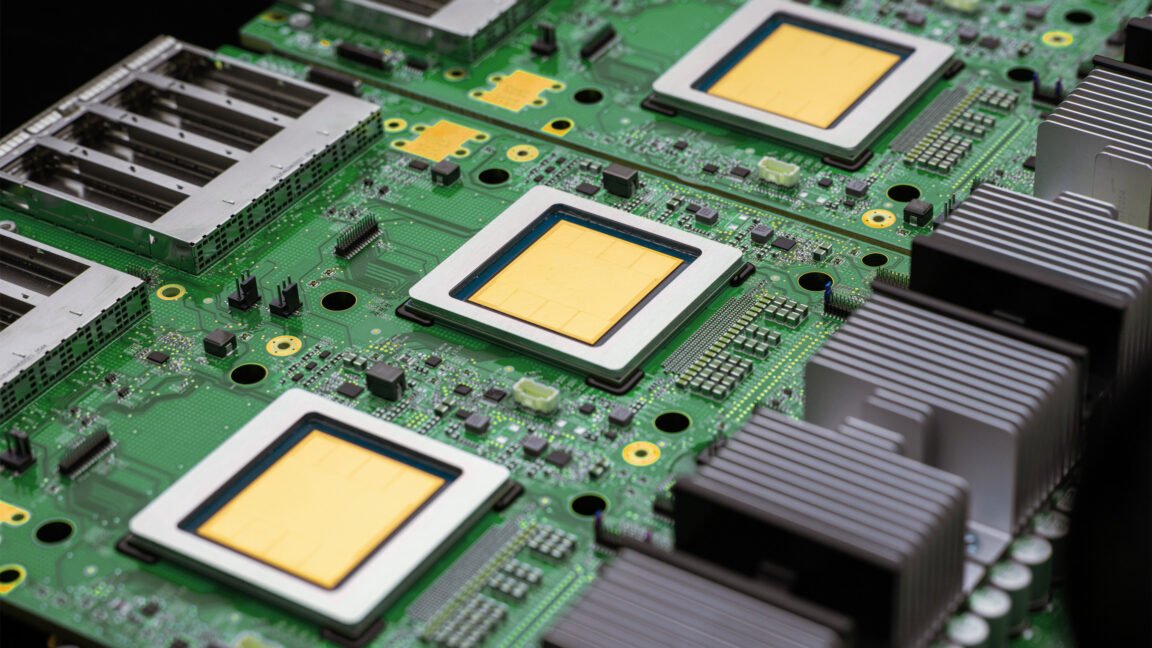
Hon Hai has become one of the most direct bellwethers for AI infrastructure spending, given its deep ties to Nvidia's supply chain. The company assembles a significant share of Nvidia's high-end AI accelerator systems, including those based on the Blackwell architecture, which has been in intense demand from hyperscalers including Amazon Web Services, Microsoft Azure, and Google Cloud.
The quarterly performance suggests that order flow remained healthy through the end of March despite broader supply chain disruptions associated with ongoing tariff policy shifts in the United States.
The results follow similar indicators from other parts of the AI hardware supply chain. Nvidia itself has signaled that its next-generation Vera Rubin chips, which represent the successor to Blackwell, are already being pre-booked by major cloud providers.
CoreWeave, the AI cloud specialist, recently signed a new $21 billion deal with Meta to supply Vera Rubin capacity, providing another data point on the strength of capital expenditure commitments from major AI customers.
Hon Hai's management has increasingly positioned the company as an AI infrastructure play, with investments in server assembly, network equipment, and energy infrastructure for data centers — a pivot that investors have rewarded with renewed attention to the stock.
Read the original reporting at Bloomberg.