Intel secures multiyear Google commitment to use Xeon chips and customize Intel's infrastructure processors in data centers
The partnership gives Intel a crucial validation of its data center chip roadmap at a moment when the company is fighting to stay relevant against Nvidia and custom silicon.
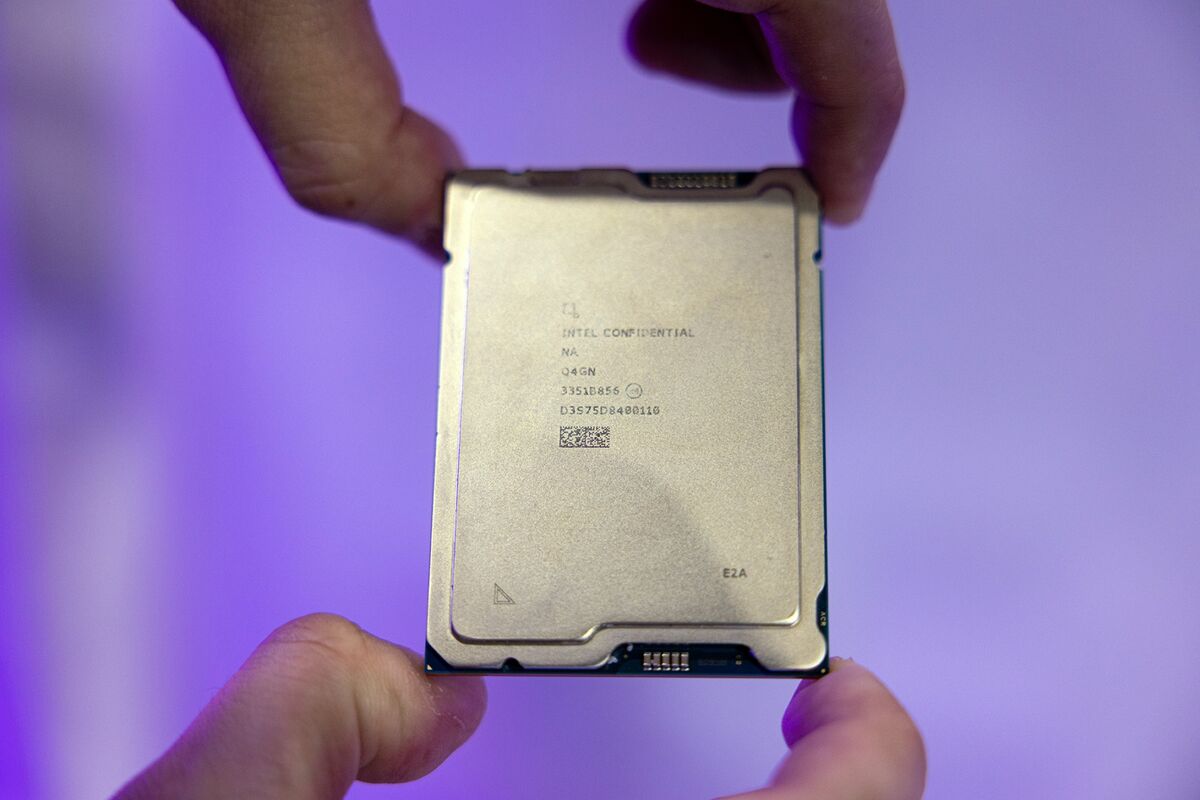
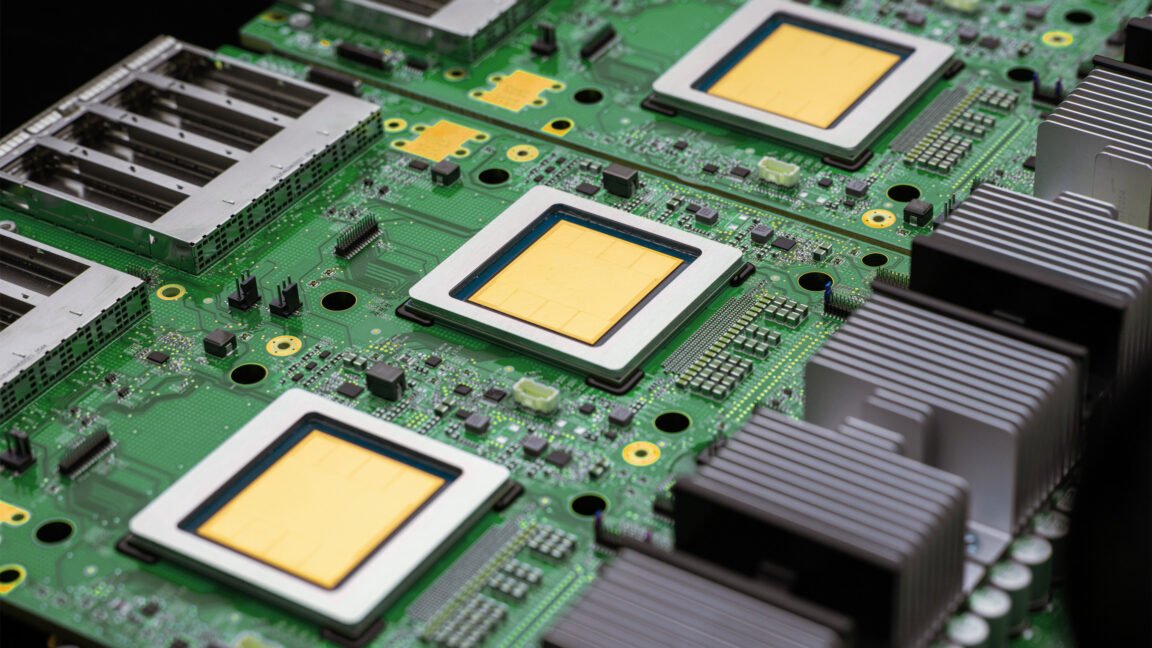
Intel announced on April 9 that Alphabet's Google has committed to using future generations of Intel's Xeon processors in its data centers, along with a plan to customize Intel's infrastructure processing units (IPUs) — chips that handle networking, security, and storage functions. The multiyear deal was disclosed without specific financial terms or volume commitments, but it represents a meaningful signal of confidence in Intel's data center silicon roadmap at a strategically fraught moment for the chipmaker.
Intel has faced an existential challenge in the AI era, as its traditional strength in server CPUs has been overshadowed by the explosive demand for Nvidia's GPU accelerators. The company has been fighting to prove that its data center CPUs remain indispensable for workloads alongside accelerators, and that its emerging IPU product line can carve out a role in the networking and storage layers of AI infrastructure.
The Google partnership is also strategically significant because Alphabet is one of the largest custom silicon developers in the industry, having built its Tensor Processing Unit family in-house over many years. A commitment to continue deploying Intel Xeon processors even as it operates at the frontier of AI infrastructure suggests that Intel's CPUs remain competitive for at least some categories of data center workloads that GPU accelerators don't handle efficiently on their own.
The deal comes alongside other chipmaker news on the same day: RISC-V startup SiFive announced a $400 million funding round backed by Nvidia, Atreides Management, Apollo, Point72, and T. Rowe Price accounts, with plans to target the data center CPU market using open-standard chip architecture — a direct challenge to both Intel's Xeon lineup and Arm-based alternatives.
Read the original reporting at Bloomberg.