Nvidia Unveils Vera Rubin Platform and Groq LPU at GTC 2026, Eyes $1 Trillion in Orders
Jensen Huang's keynote at the SAP Center in San Jose introduced a seven-chip computing platform and an entirely new class of AI inference processor derived from Nvidia's $20 billion Groq acquisition.
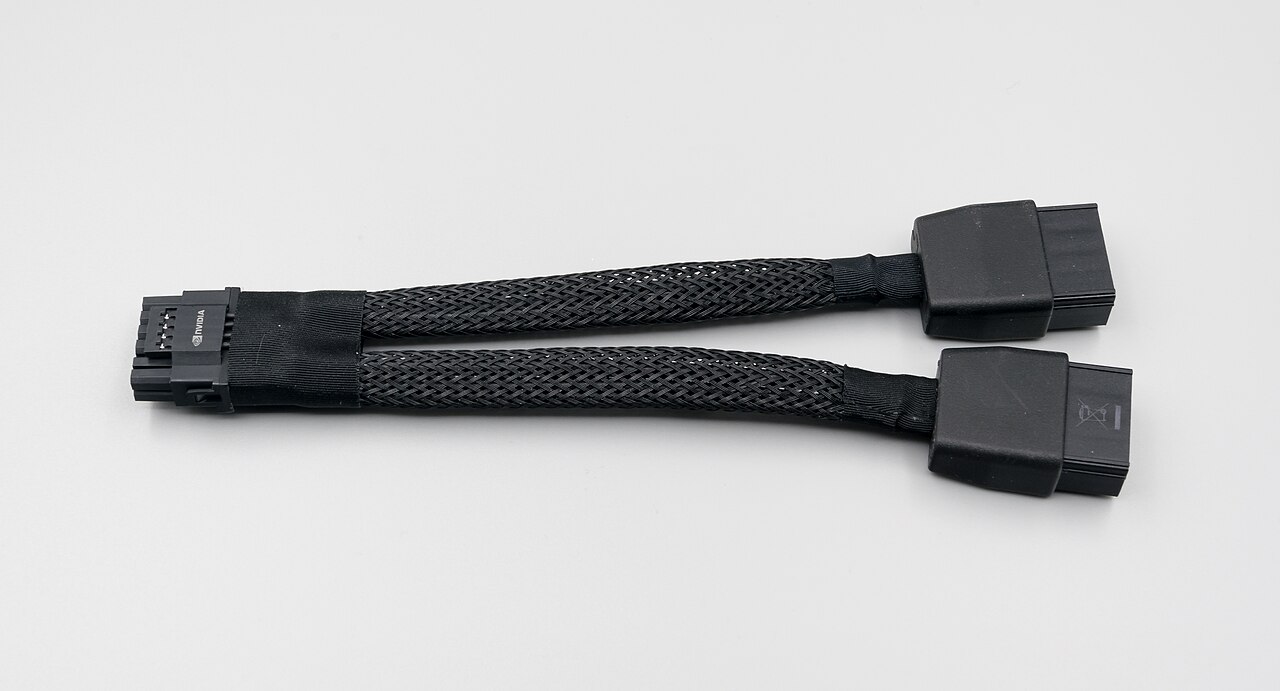
Nvidia CEO Jensen Huang took the stage at the SAP Center in San Jose on Monday to deliver GTC 2026's marquee keynote, revealing that the company now sees at least $1 trillion in cumulative revenue from its Blackwell and forthcoming Vera Rubin systems through 2027 — double the $500 billion figure cited previously. The announcements came before a capacity crowd at a conference featuring over 450 sponsors and 1,000 sessions.
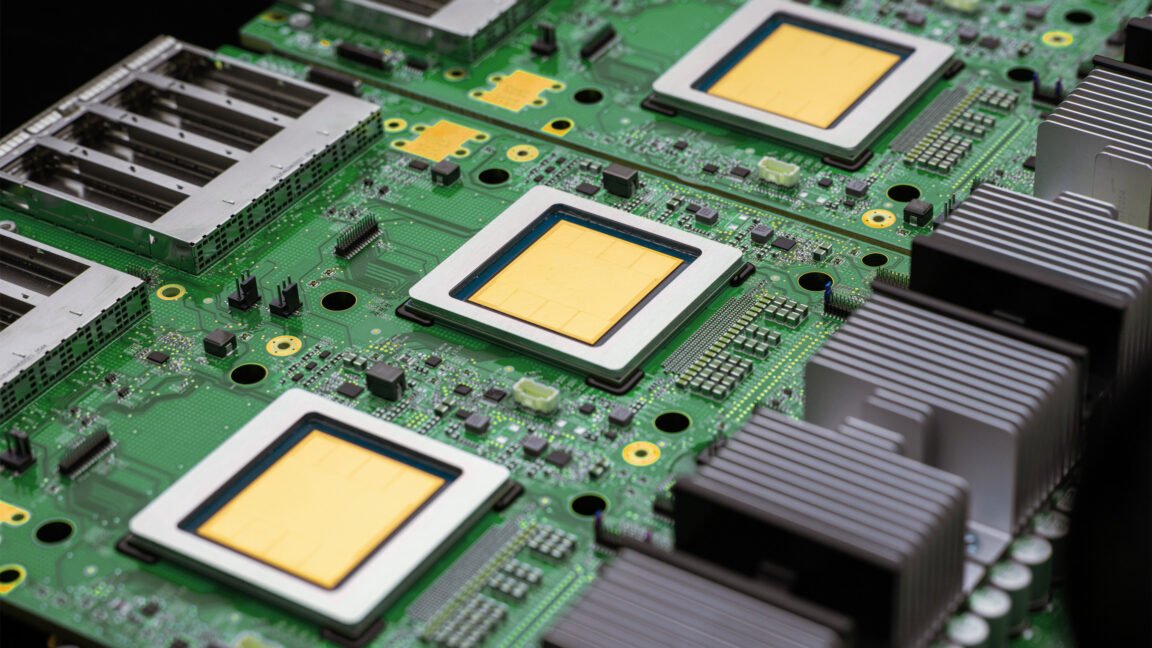
The centerpiece hardware announcement was the Nvidia Vera Rubin platform, a full-stack computing system comprising seven new chips, five rack-scale configurations, and one purpose-built supercomputer for agentic AI workloads. Vera Rubin — named for the astronomer whose research revealed dark matter — delivers ten times the performance per watt compared to the predecessor Grace Blackwell architecture.
The platform integrates the new Vera CPU, BlueField-4 STX storage, and Nvidia's Kyber scale-out networking. Shipping is expected later in 2026, with Vera Rubin Ultra, featuring 144 GPUs in vertical compute trays, targeted for 2027.
Equally significant was Huang's introduction of the Groq 3 Language Processing Unit, the first chip Nvidia is releasing using technology from the Groq startup it acquired in a $20 billion deal last December. Unlike GPUs, which rely on thousands of parallel cores, the Groq 3 LPU uses a single optimized core for sequential inference workloads.
Paired in a Groq 3 LPX rack holding 256 LPUs alongside 72 Vera Rubin GPU nodes, the system achieves 700 million tokens per second — 350 times faster than Nvidia's prior Hopper generation — while boosting tokens-per-watt efficiency by 35 times. The LPU is expected to be available in the third quarter.
Huang also previewed Feynman, Nvidia's next planned architecture beyond Vera Rubin, which will include a new CPU named Rosa along with next-generation LPU and networking technologies. On the software side, he introduced NemoClaw, an enterprise-grade stack built on the viral OpenClaw agentic platform, adding policy enforcement, network guardrails, and privacy routing for corporate deployments.
Huang marked CUDA's 20th anniversary during the keynote, describing it as the foundational flywheel that brought accelerated computing to scale.
Read the original reporting at CNBC.