SK Hynix files confidentially for $10–14B US IPO that could ease AI memory shortage
The South Korean memory giant's planned US listing aims to fund HBM capacity expansion and could help relieve the supply crunch stalling AI hardware builds worldwide.
SK Hynix, the South Korean semiconductor company that supplies high-bandwidth memory chips to Nvidia and other AI hardware makers, has confidentially filed a Form F-1 with the US Securities and Exchange Commission ahead of a potential listing in the second half of 2026, TechCrunch reported on March 27. The offering could raise between $10 billion and $14 billion, based on an issuance of roughly 2 percent of the company's shares at current market prices.
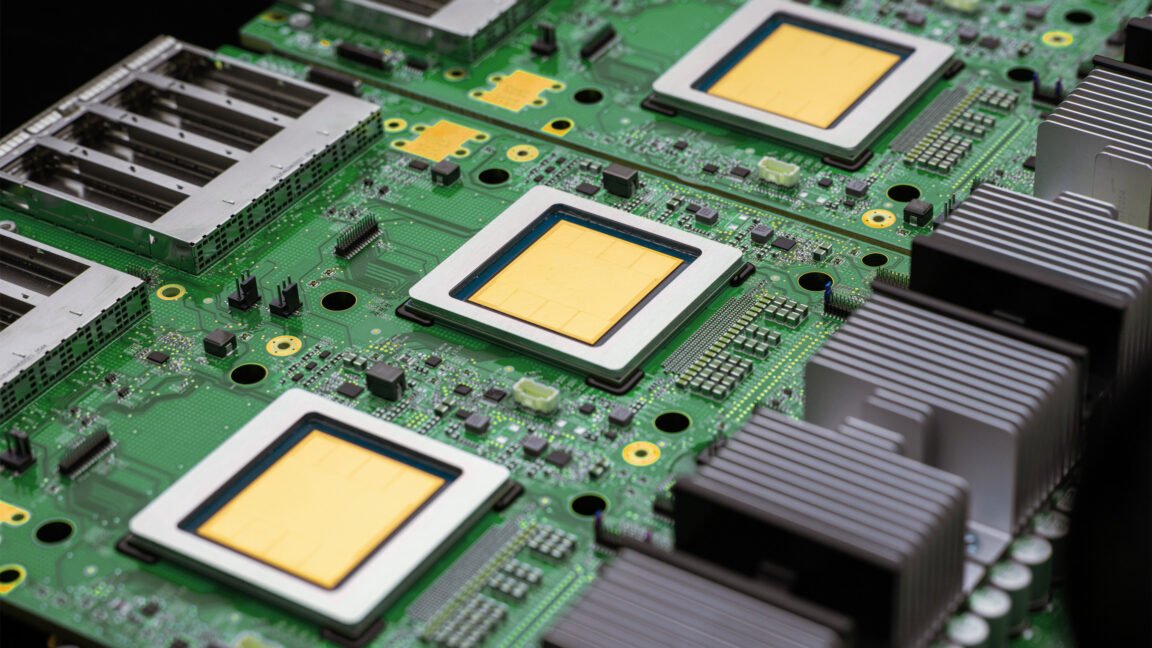
The move is significant because SK Hynix is the dominant supplier of high-bandwidth memory, or HBM, the stacked memory architecture that sits atop Nvidia's AI accelerators and is critical to their performance. A sustained shortage of HBM has become a bottleneck constraining AI infrastructure buildouts, a situation analysts have dubbed "RAMmageddon." SK Hynix CEO Noh-Jung Kwak stated at the company's annual general meeting on March 25 that financial capacity will be key to sustaining growth in the AI era, and that the company is targeting approximately $75 billion in net cash to support long-term investments.
Proceeds from the US listing would be directed toward new manufacturing capacity in South Korea and the United States, where SK Hynix is constructing facilities in Indiana as part of the CHIPS and Science Act incentive framework. The company also has a $7.9 billion deal to acquire extreme ultraviolet lithography scanners from ASML by 2027 to boost HBM production.
A US listing would also allow SK Hynix to close a longstanding valuation gap with Western peers like Micron Technology, despite comparable or stronger production capacity. Its market capitalization on the Seoul Stock Exchange is around $440 billion, but analysts believe a US ADR listing could increase its trading multiple by giving institutional investors more direct access to what has become one of the most strategically critical companies in the AI supply chain.
Read the original reporting at TechCrunch.