TSMC Reports Record First-Quarter Revenue Ahead of Full Earnings, AI Demand Remains Insatiable
Taiwan's chip giant posted revenue of NT$1.13 trillion for Q1 2026, a 35 percent year-over-year rise, setting the stage for a formal earnings report on April 16 expected to confirm a fourth straight quarterly record.

TSMC announced record first-quarter revenue of NT$1.13 trillion, or approximately $35.6 billion, ahead of its full earnings release scheduled for April 16, CNBC reported on April 10. The figure represented a 35 percent increase year-over-year and surpassed analyst forecasts, underscoring the continued strength of AI-related chip demand.
The company signaled it would release comprehensive profit figures and updated guidance at the formal earnings call.
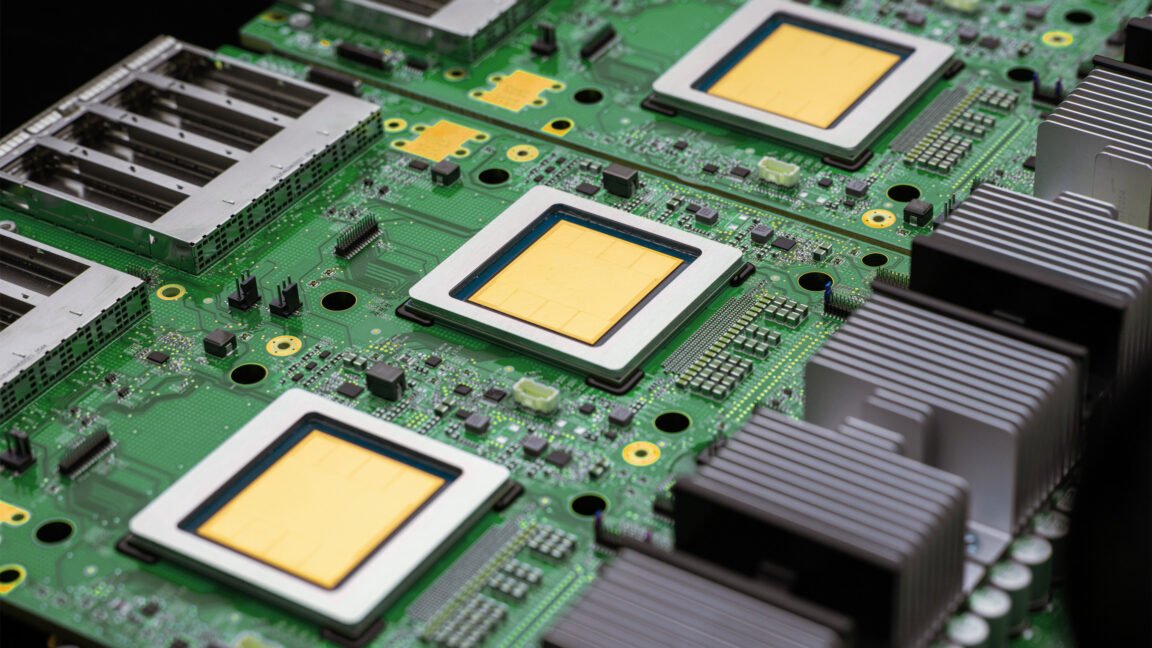
The revenue preview arrived as TSMC's customers — which include Nvidia as the chipmaker's largest single client, along with Apple — continued to place heavy orders for advanced chips. High-performance computing and AI applications accounted for a growing portion of TSMC's sales mix, with chips manufactured at nodes of seven nanometers or below representing the majority of production.
Investors and analysts were closely watching the April 16 earnings release for indications of TSMC's capacity expansion plans and whether rising geopolitical tensions in the Middle East had affected customer confidence or order flows. AI chip demand had stretched TSMC's manufacturing capacity to its limits, with independent analysts describing a sold-out scenario expected to persist through 2026.
Anthropic's exploration of its own custom chips, reported the same day, added another dimension to the competitive dynamics surrounding TSMC. The Taiwanese foundry manufactures chips for most major AI hardware players, and any large-scale build-out of proprietary AI silicon would likely depend on TSMC's advanced process nodes for at least the next several years.
Read the original reporting at CNBC.