White House AI Plan Calls for Blocking State AI Laws, Streamlining Data Center Permitting
The Trump administration's framework urges Congress to preempt state AI regulations in California, Colorado, and New York and standardize the permitting process for the data centers that power AI systems.
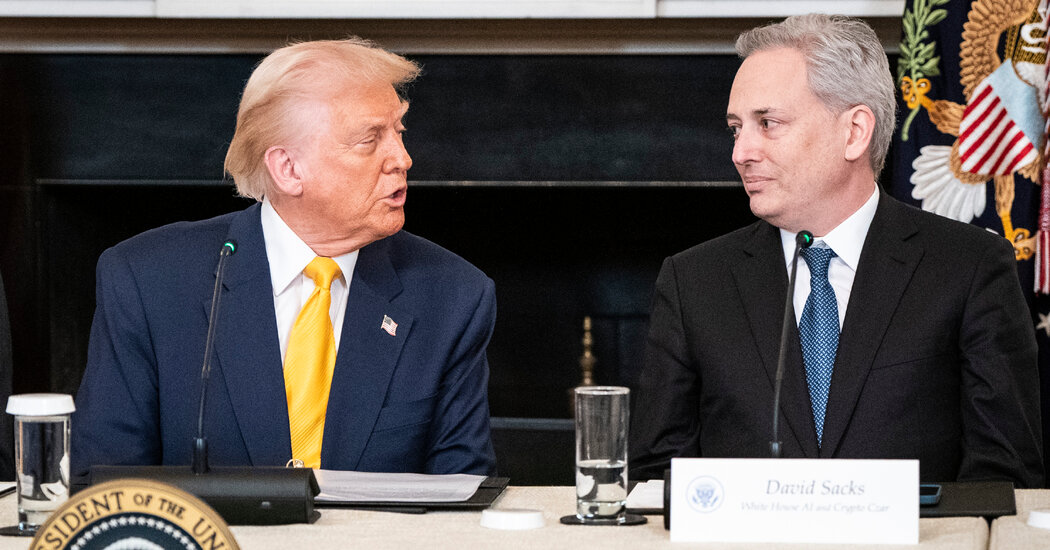
The White House on Friday unveiled a set of policy guidelines that called for blocking state laws regulating artificial intelligence, putting the federal government on a collision course with states that have moved aggressively to regulate AI in recent years. The framework, described by the administration as a foundational document for congressional action, argues that a uniform national standard is essential for the United States to maintain its lead in global AI development.
Among the most politically charged provisions is the call for federal preemption of AI laws enacted by states like California, Colorado, and New York, which have passed requirements mandating safety testing, reporting of harmful incidents, and other regulatory obligations on AI developers. The White House argues these state-by-state rules create a patchwork that hobbles American companies and would give adversaries like China an opening to compete.
It also proposes that Congress streamline the permitting processes for constructing AI data centers — a key bottleneck as demand for compute infrastructure grows — and require tech companies to bear the cost of the additional energy consumption their facilities require rather than passing those costs to ratepayers.
The framework calls for child safety measures including enhanced parental controls and privacy tools, though critics noted the language relies on softer terms like "commercially reasonable" rather than imposing hard regulatory floors. On copyright, the administration takes the position that Congress should avoid intervening in ongoing litigation and allow courts to determine how existing law applies to AI training data, a stance aligned with the position of major AI companies defending lawsuits from media organizations and authors.
The administration said it aims to finalize the framework into law within the year, though analysts described the timeline as ambitious given Republican divisions over specific provisions and the challenge of building bipartisan coalitions on AI. House Republican leadership expressed support for the general direction.
Senate Democrats indicated they would resist any provision that stripped states of their authority to protect residents from AI-related harms before federal safeguards are in place.
Read the original reporting at The New York Times.