

AI
Anthropic tightens limits on Claude subscriptions
Axios says the change underscores how agent-style usage can overwhelm ‘all-you-can-eat’ subscription models.
Frontier models, research, products. Every major AI story, explained.
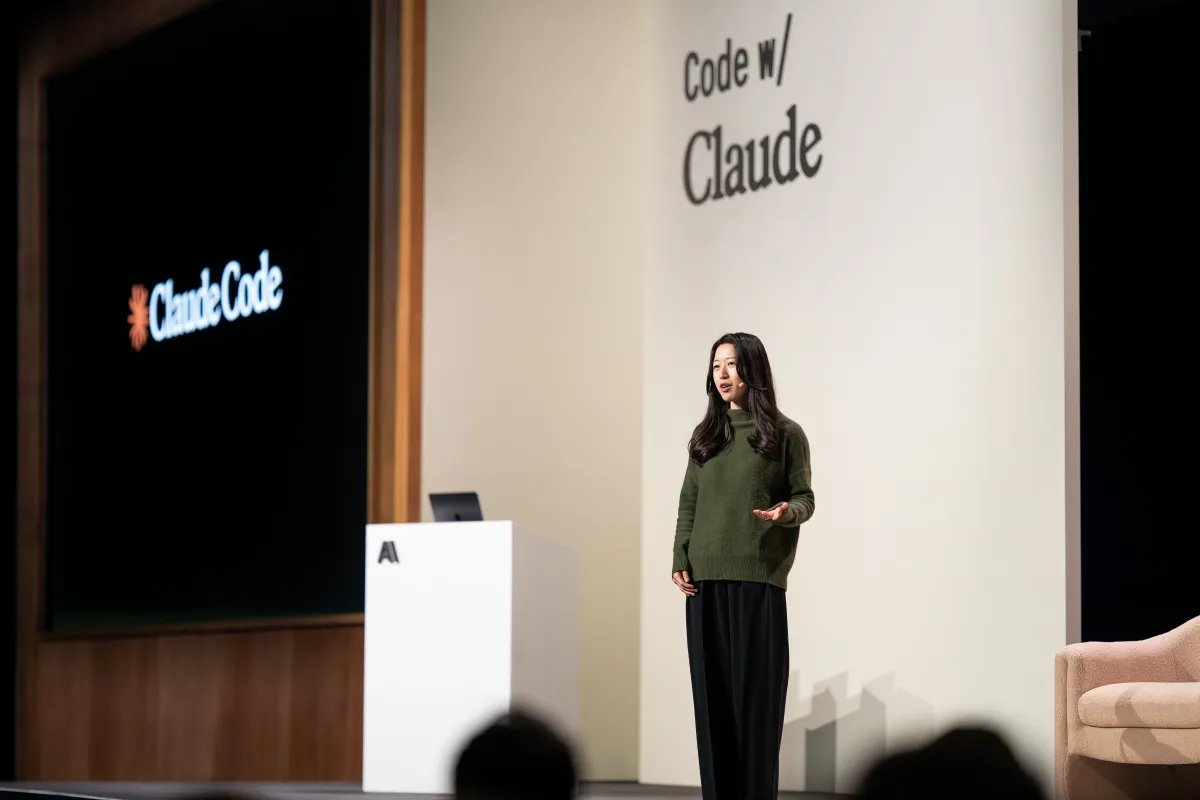
In a TechCrunch interview, Wu says Claude should move from reactive chat to understanding workflows and setting up automations.

Community Bank said an unauthorized AI app led to exposure of customers’ personal data, prompting disclosure after it detected the issue.
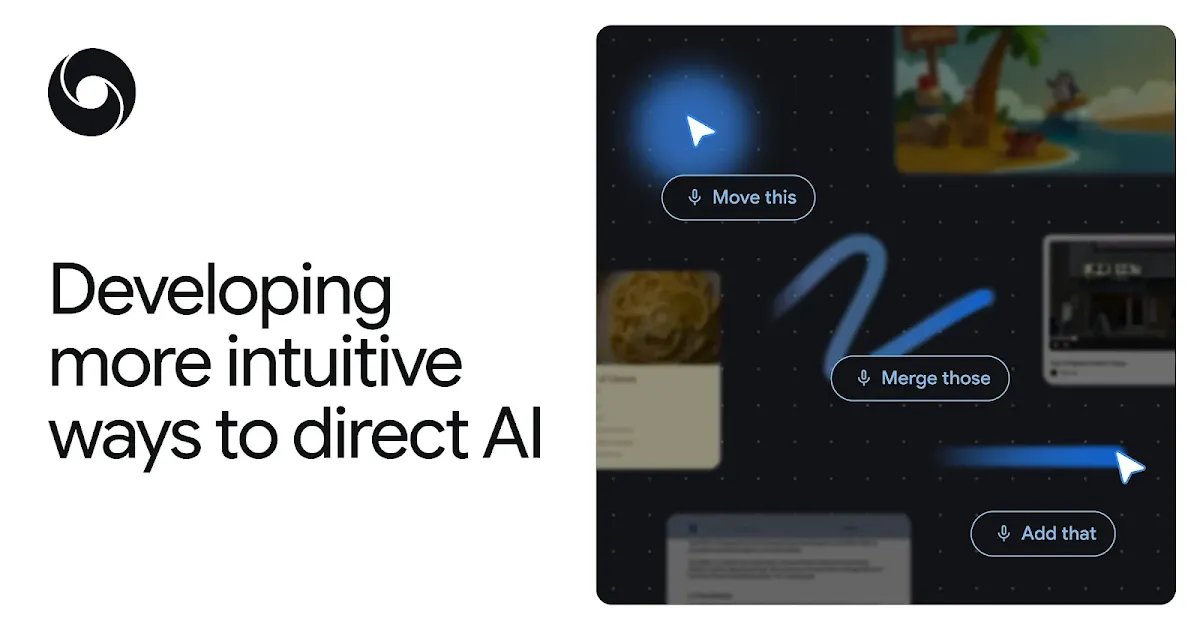
DeepMind outlines interaction principles and shows experimental demos where a pointer can select on-screen elements and invoke Gemini without switching contexts.

Google says it may have found the first known case of cybercriminals using AI to identify and exploit an undisclosed zero-day flaw.

The Mira Murati-founded startup says its ‘interaction models’ can process user input and generate output simultaneously, aiming for more natural full-duplex conversations.
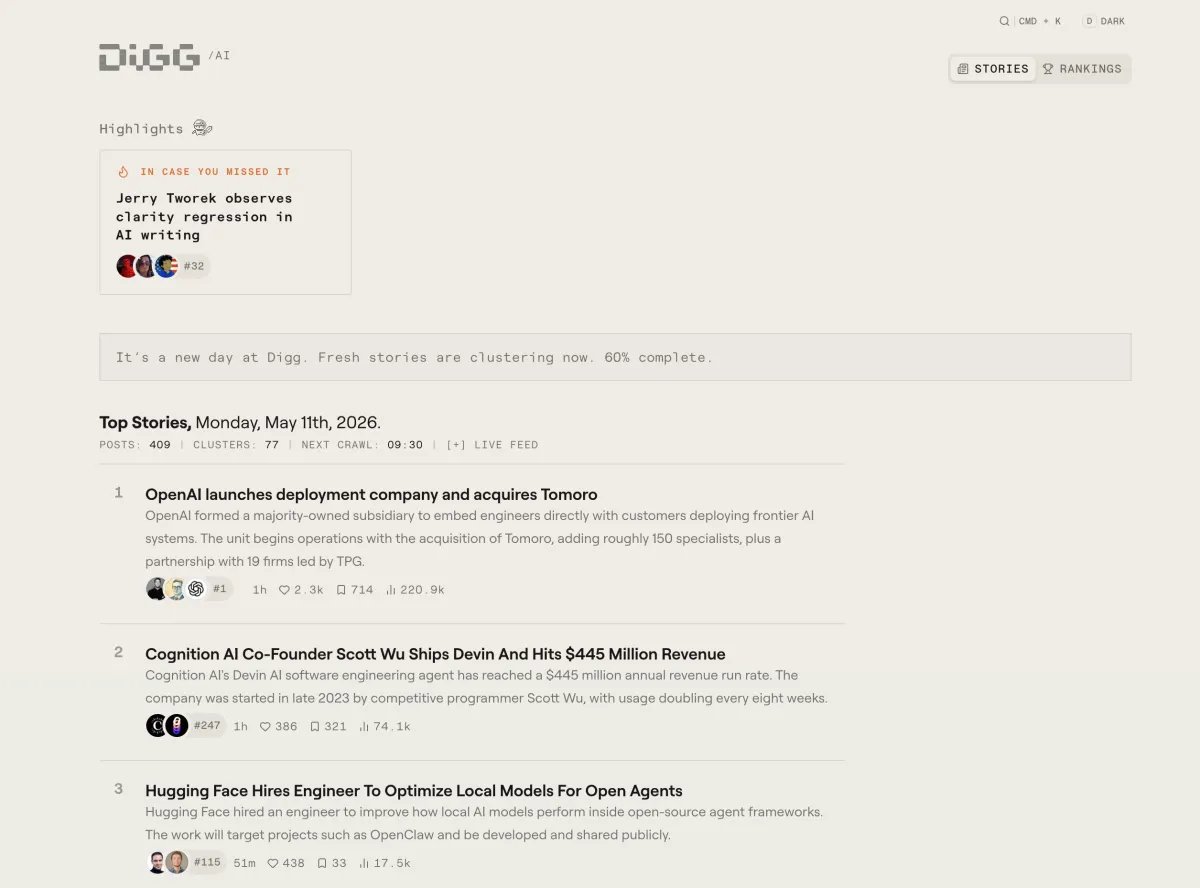
Kevin Rose is rebooting Digg yet again, this time as a site that ranks AI news using real-time signals from X.
OpenAI added new Realtime API capabilities for voice conversations, live transcription, and translation, including a new GPT‑Realtime‑2 model.
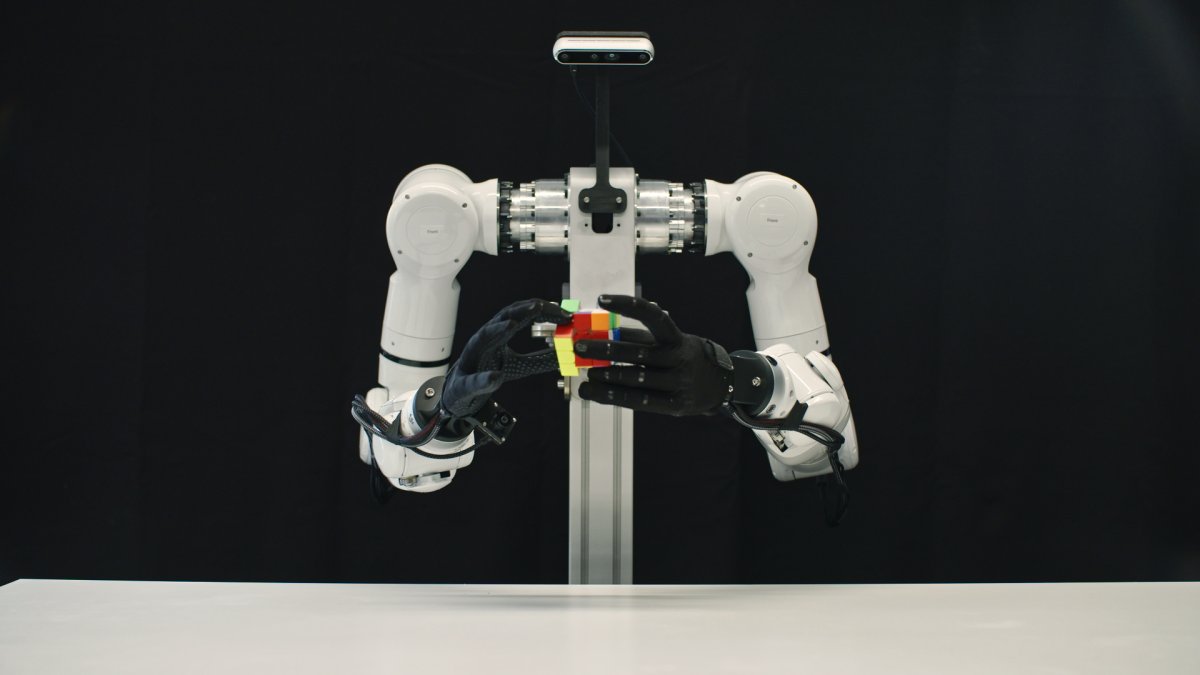
The $105M-seed startup unveiled its first robotics foundation model, GENE-26.5, alongside its own human-sized robotic hands and data-capture hardware to speed training and evaluation.
Security researchers at Mindgard told The Verge they used flattery and social manipulation to get Anthropic’s Claude (Sonnet 4.x) to produce restricted content without directly asking for it.
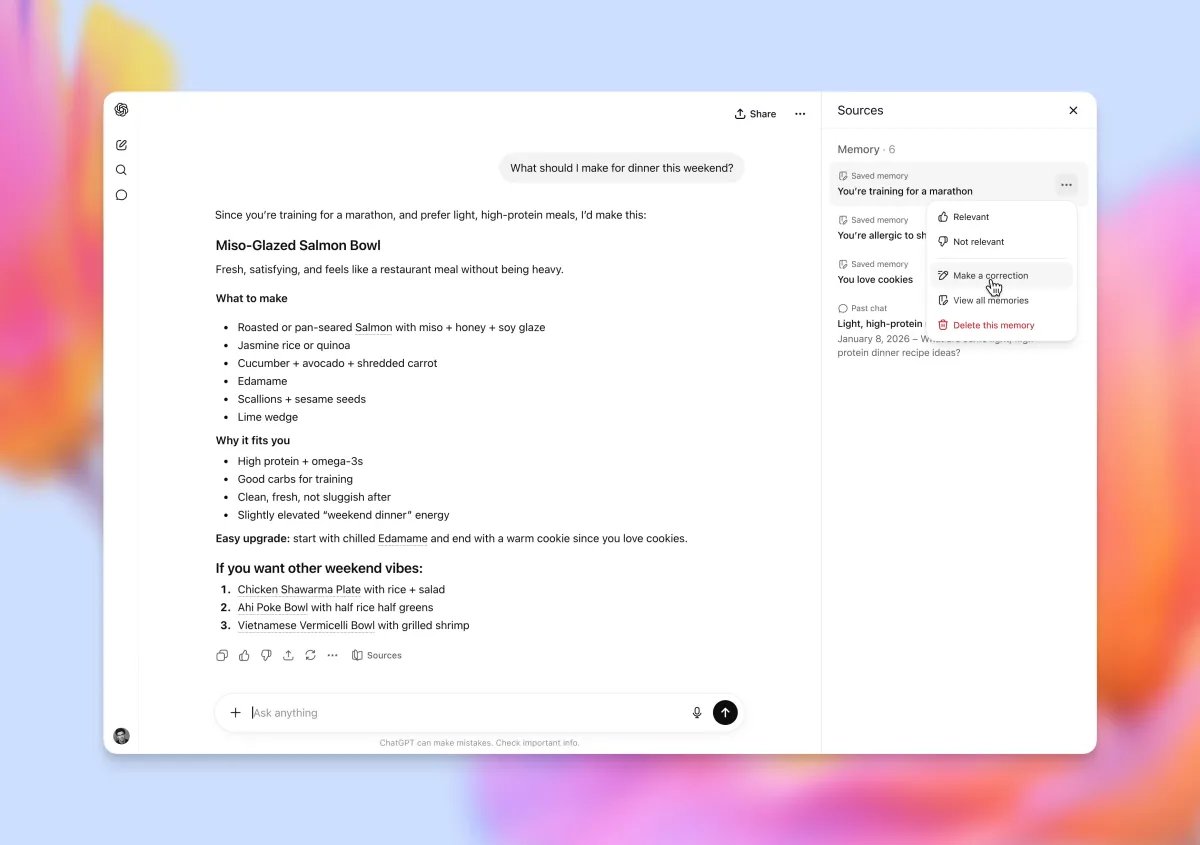
OpenAI says the new default ChatGPT model reduces hallucinations in sensitive domains while keeping low latency, and it’s also available via the API as “chat-latest.”
Appfigures says image-model launches generate 6.5x more downloads than traditional model upgrades — but the revenue impact varies widely.

Defense Department greenlights several vendors for classified AI work while sidelining Anthropic over supply-chain concerns.
Google’s open-model line gets a major update, with a more permissive license aimed at broader commercial and research use.
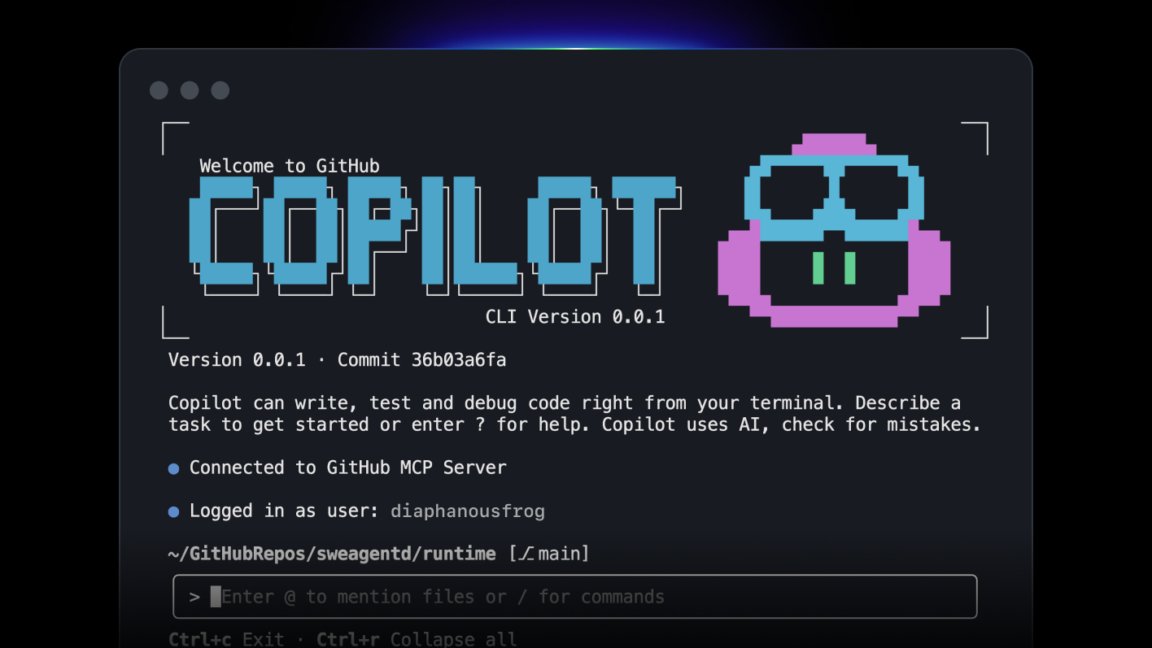
Copilot moves to an AI-credits model that bills heavy users for inference beyond their plan’s included allocation.
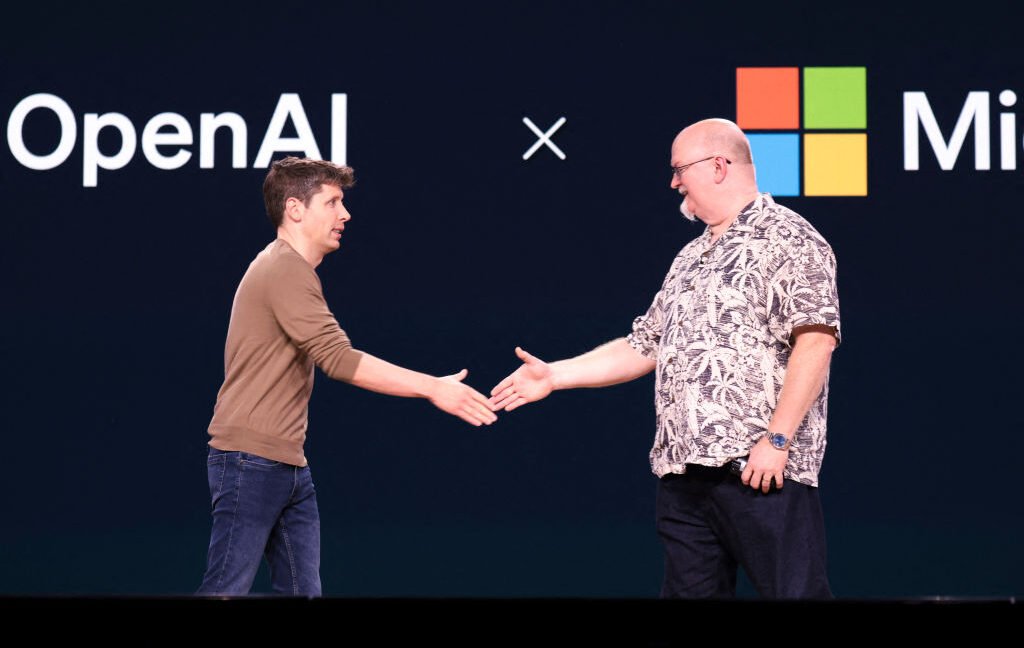
The revised deal drops Microsoft’s exclusive right to sell OpenAI models, while keeping Azure as OpenAI’s primary cloud partner and extending Microsoft’s license on OpenAI IP.

VentureBeat reports the Temporal-based system, delivered via Mistral Studio, is aimed at taking enterprise AI from pilots to production with multi-step, auditable processes.
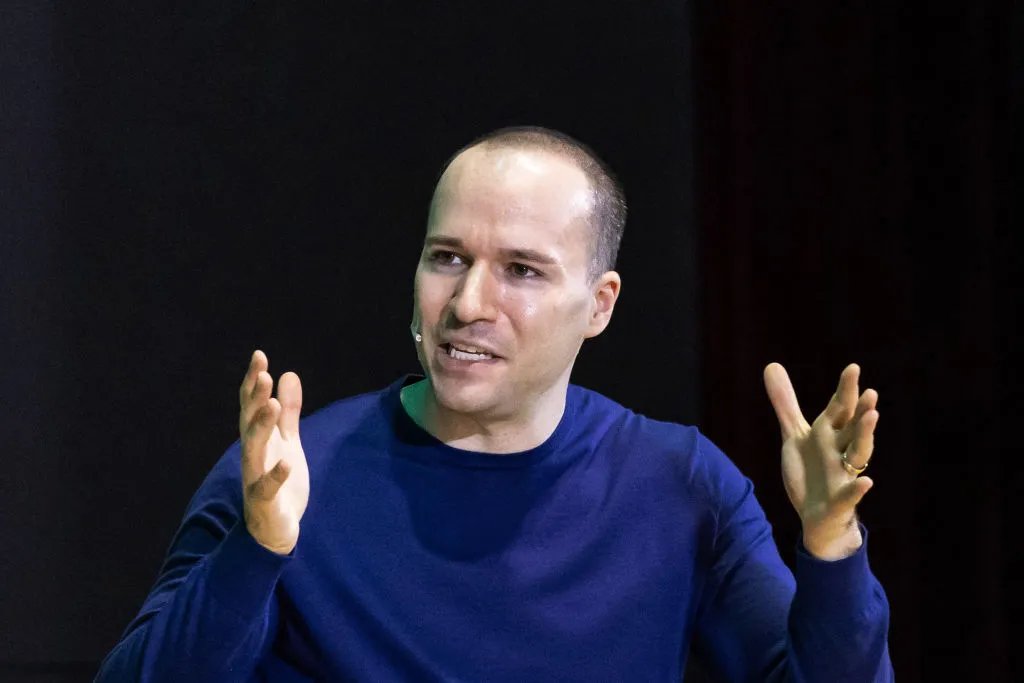
TechCrunch reports the new model is positioned as OpenAI’s most capable yet, with rollout to Plus through Enterprise and a separate 5.5 Pro tier.
The Chinese AI lab's V4 Pro model tops 1.6 trillion parameters, claims near-parity with frontier models on reasoning, and costs a fraction of GPT-5.5 or Claude Opus.
Three separate engineering changes between March and April caused Claude Code users to experience forgetfulness, repetition, and reduced coding intelligence — issues that persisted for weeks before all were resolved on April 20.
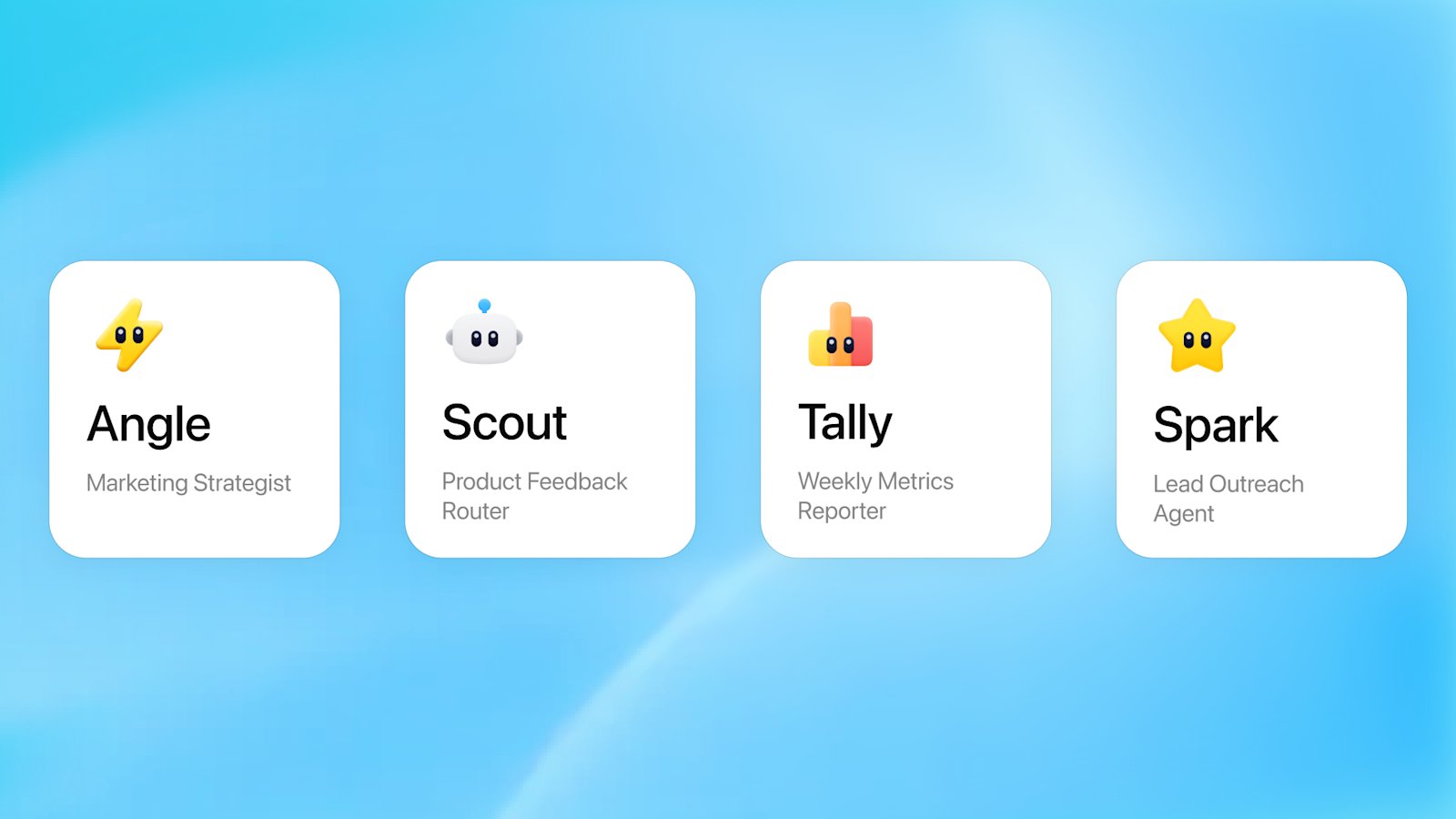
The Codex-powered agents run continuously in the cloud, integrate with Slack and Salesforce, and allow organizations to share and schedule automated workflows across teams.
The new model generates accurate multilingual text, high-fidelity marketing assets, and multi-panel comics — and is available to all ChatGPT users starting Tuesday.
The new model variant imposes fewer restrictions on vulnerability research and analysis than standard GPT models, giving approved security vendors and researchers a more capable tool for defensive cyber operations.
The agreement gives Anthropic a new tranche of Nvidia-powered data center capacity in the US, as demand for Claude continues to surge past a $30 billion annual run rate.
The surge in installs suggests Muse Spark may have revived consumer interest in Meta's AI product, which has lagged well behind ChatGPT, Claude, and Gemini.
Built from scratch by the team Zuckerberg assembled after being disappointed by Llama 4, Muse Spark benchmarks favorably against models from OpenAI, Anthropic, and Google in early evaluations.

The restricted AI model can autonomously find critical vulnerabilities across major operating systems and browsers — and Anthropic is keeping it locked away from the public for safety reasons.
The policy change, effective immediately, cuts off users from applying their Claude subscriptions to popular external AI agents, reshaping the indie tool ecosystem built around Claude.
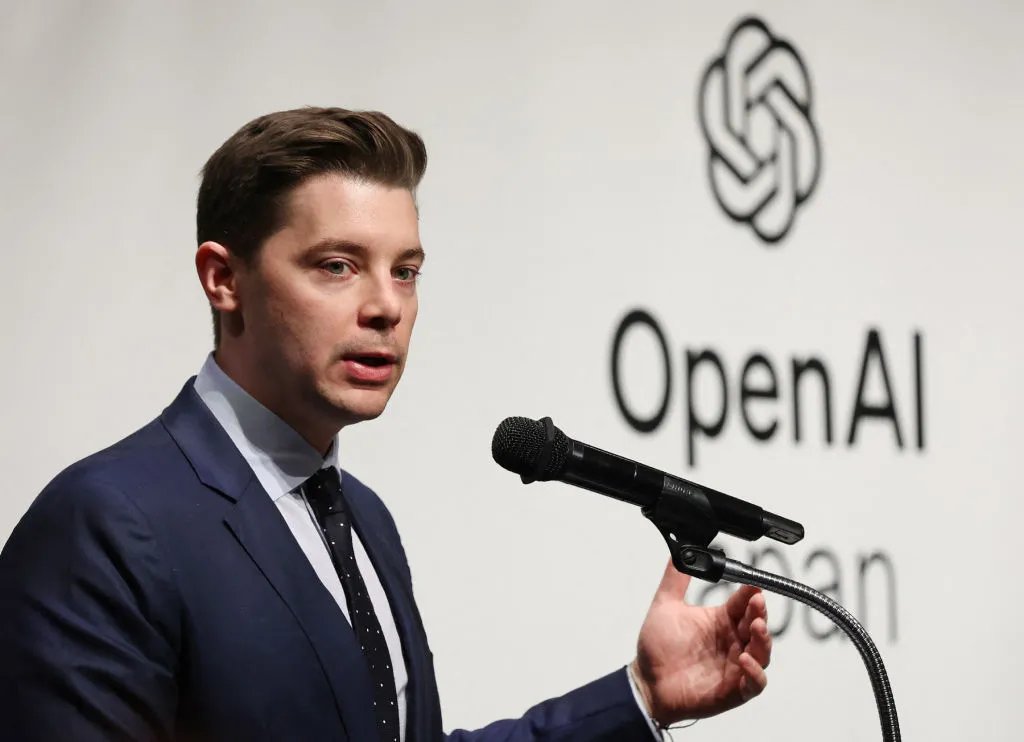
A wave of simultaneous executive changes at OpenAI comes amid a $120 billion funding round and a strategic pivot toward enterprise AI.
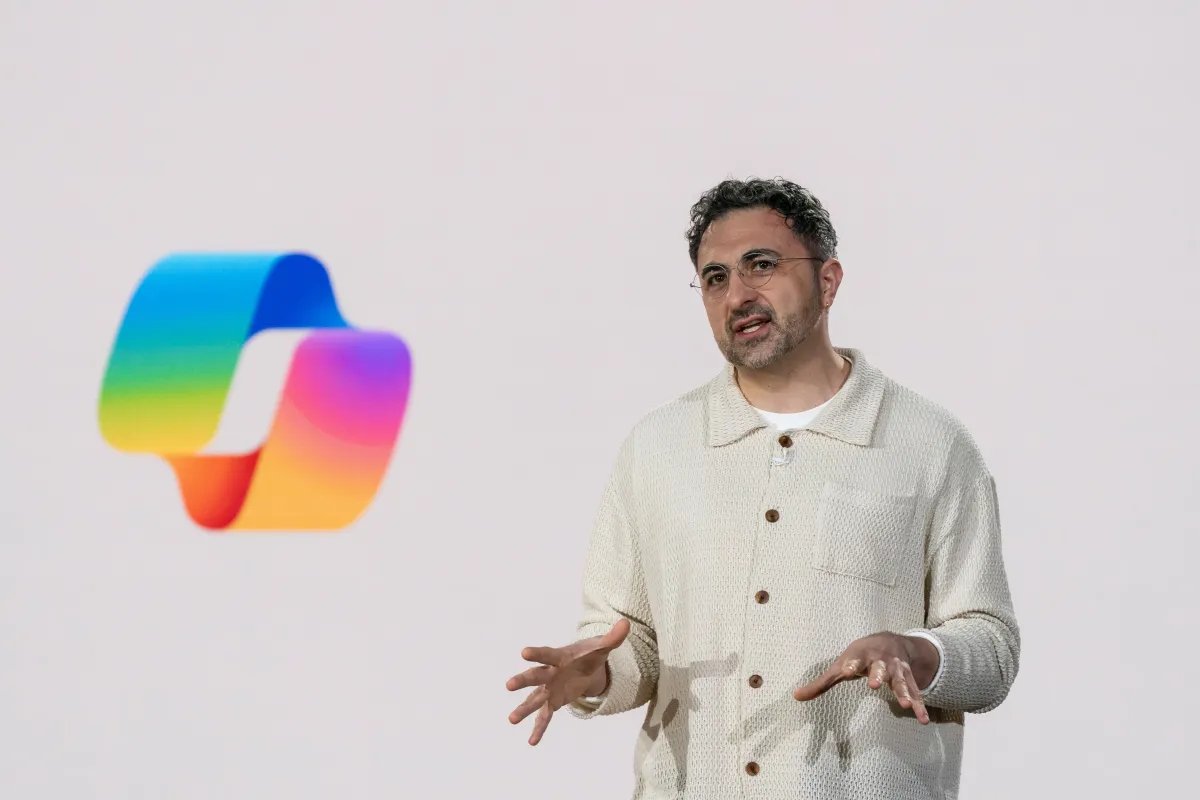
The MAI Superintelligence team's first commercial model releases beat competitors on key benchmarks while undercutting OpenAI and Google on price.
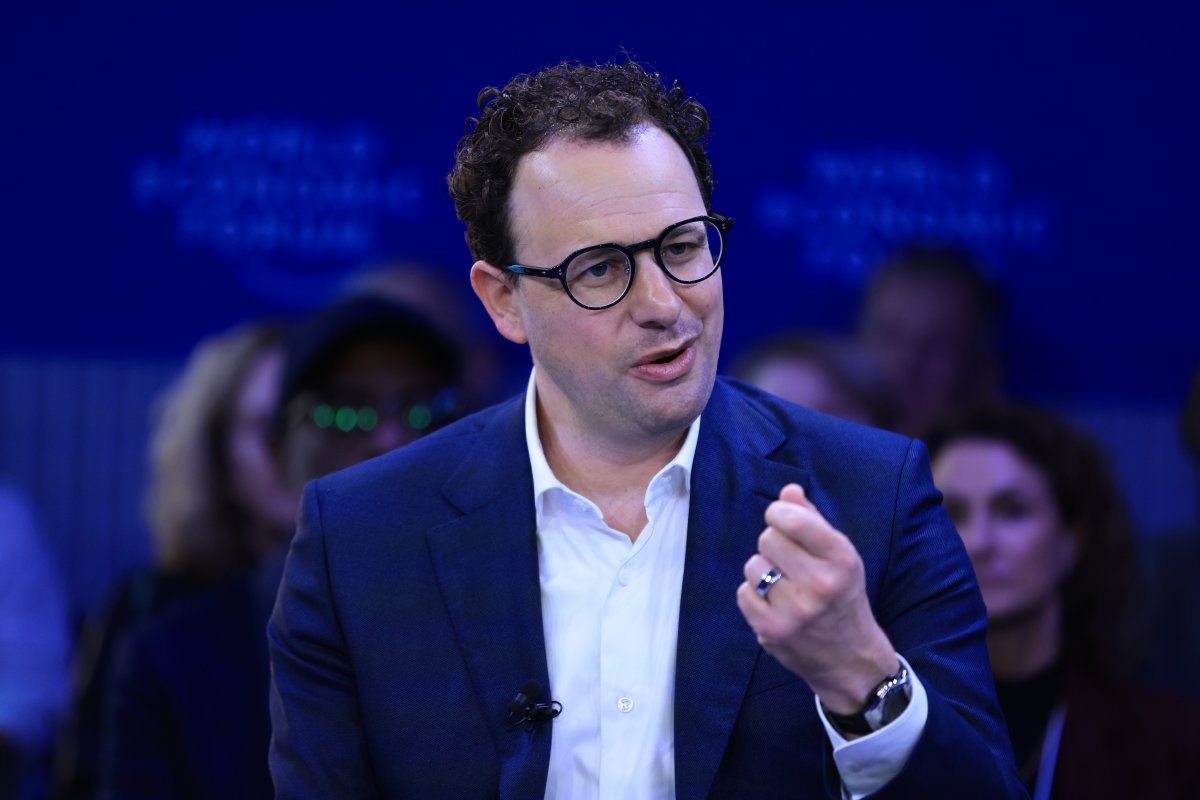
The acquisition accelerates Anthropic's push into life sciences, adding a ten-person team of computational drug discovery veterans to its health division.
Google's monthly roundup confirms a Gemini platform that is becoming more deeply personalized, more globally accessible, and more competitive with real-time audio rivals like GPT-4o voice.
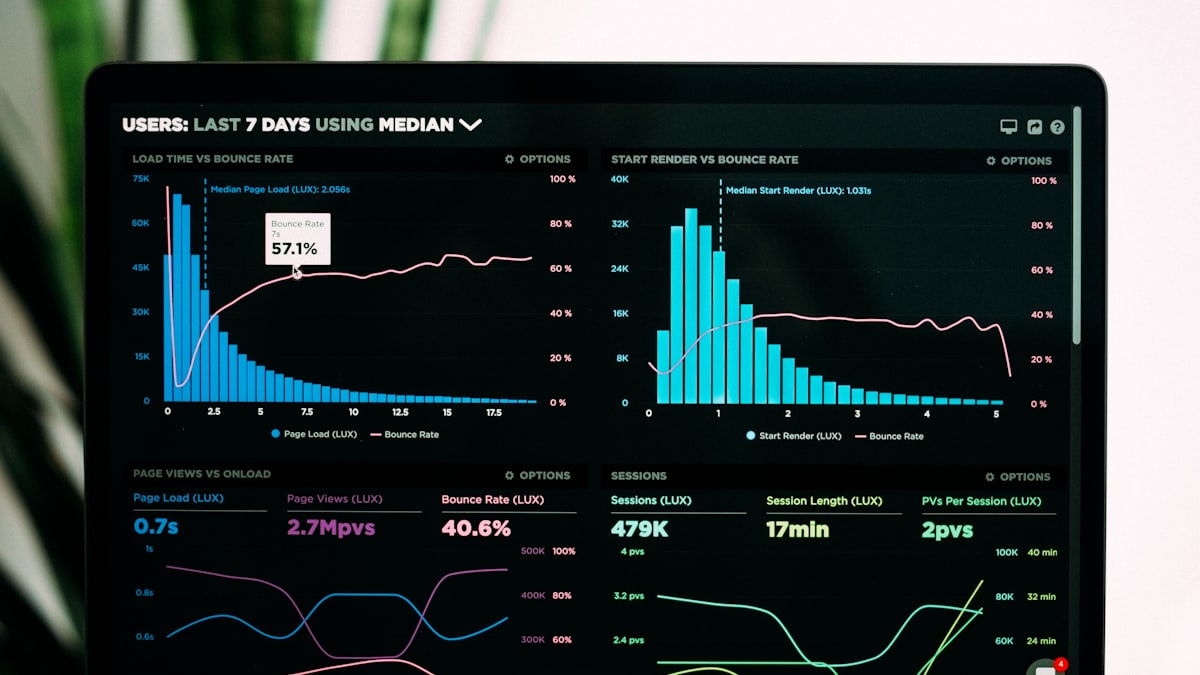
The additional $12 billion raised since February, including $3 billion from individual investors through banking channels for the first time, reads less like venture financing and more like an IPO rehearsal.

A misconfigured npm release exposed the full agentic harness behind Claude Code — Anthropic's second significant security lapse in a week — revealing features flagged for imminent launch.
Google's monthly Gemini update lets users import chat history from rival AI apps and introduces a new audio model fast enough to sustain real-time conversation in over 200 countries.
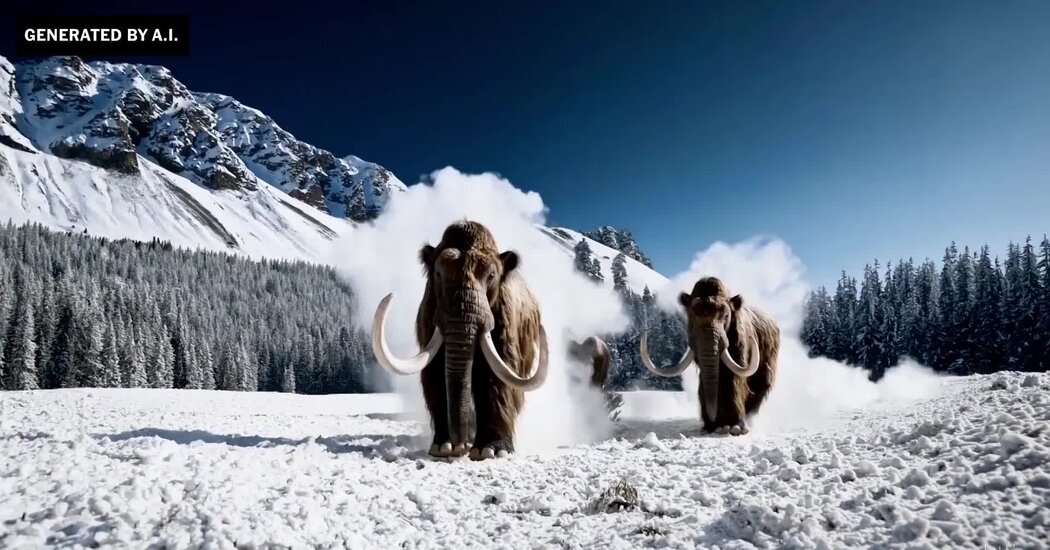
The surprise closure of OpenAI's consumer-facing video generator underscores the unsustainable cost of running generative video at scale while the company prepares for a potential IPO.
After Instant Checkout stumbled due to stale product data and limited merchant adoption, OpenAI is shifting to a model where purchases redirect to retailers' own websites via in-app browsers inside ChatGPT.
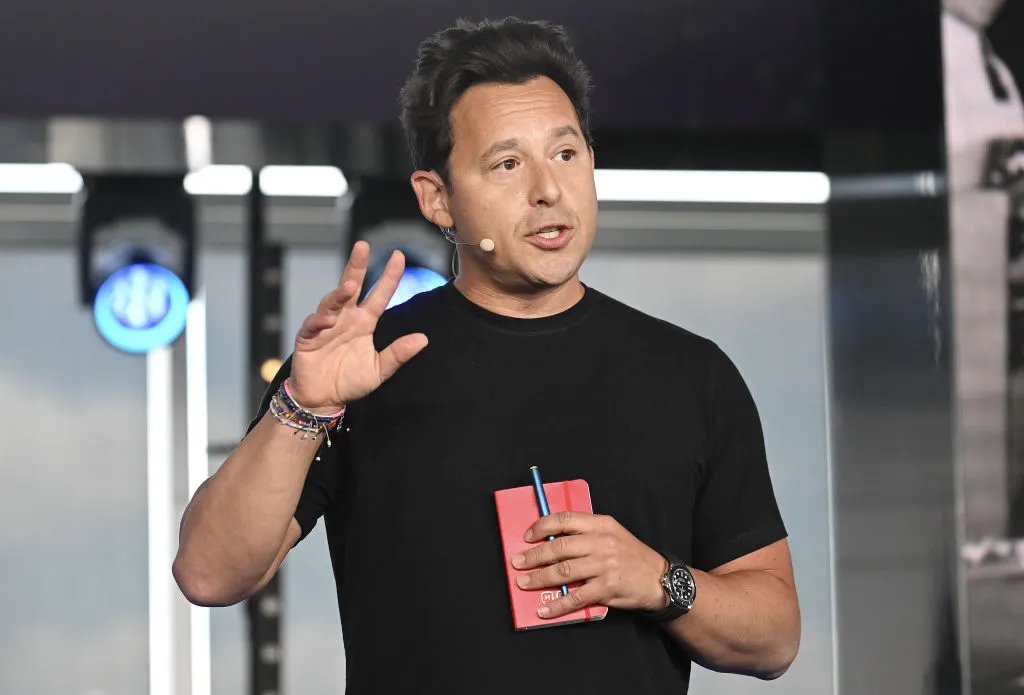
Harley Finkelstein told investors that agentic personal shoppers represent a fundamentally merit-based discovery channel that will surface smaller brands to consumers far more effectively than traditional search.
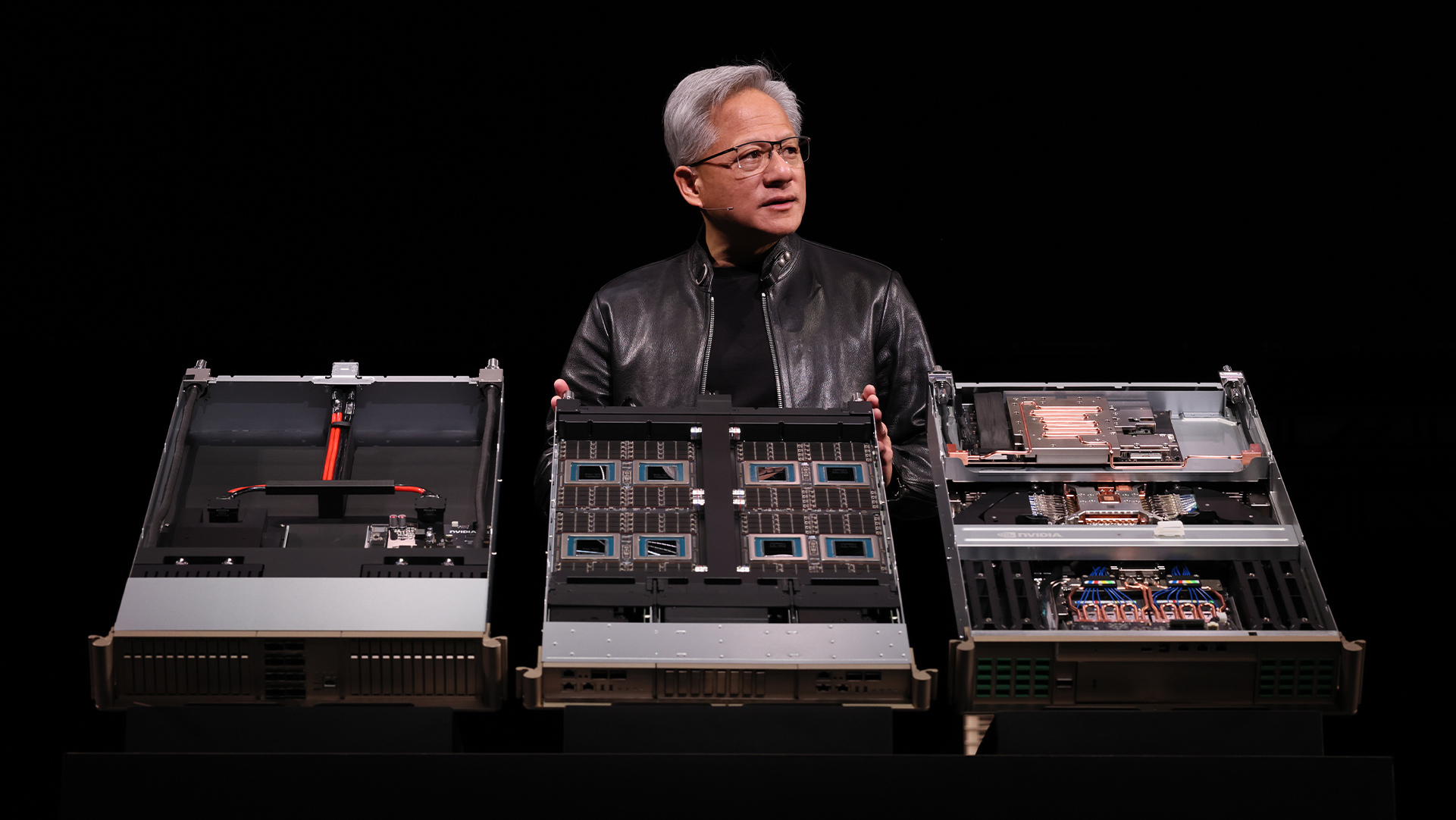
The open-source stack adds policy enforcement, privacy routing, and network guardrails to OpenClaw, which Huang called the most popular open-source project in history and said every company will need a strategy for.

Four new automaker partnerships announced at GTC 2026 bring Nvidia's Drive Hyperion autonomous vehicle development platform to some of the world's largest car manufacturers.
The deal brings automated red-teaming and vulnerability detection into OpenAI's Frontier enterprise platform, used by more than a quarter of Fortune 500 companies.
The new flagship model scores 83% on OpenAI's GDPval knowledge-work benchmark, leads on computer-use tests, and cuts errors by a third over GPT-5.2.

The update to ChatGPT's default model targets tone and conversational flow, reducing unsolicited emotional reassurances that frustrated users for months.
The fastest and cheapest model in Google's Gemini 3 series launches in preview at $0.25 per million input tokens, targeting cost-sensitive large-scale deployments.
App data showed a dramatic consumer backlash against OpenAI's DoD partnership, with Claude briefly surpassing ChatGPT as the top U.S. App Store download.
Google's monthly Gemini Drop update confirms the general consumer rollout of Gemini 3.1 Pro alongside a new AI music creation tool and an upgraded fast image model for Gemini app subscribers.
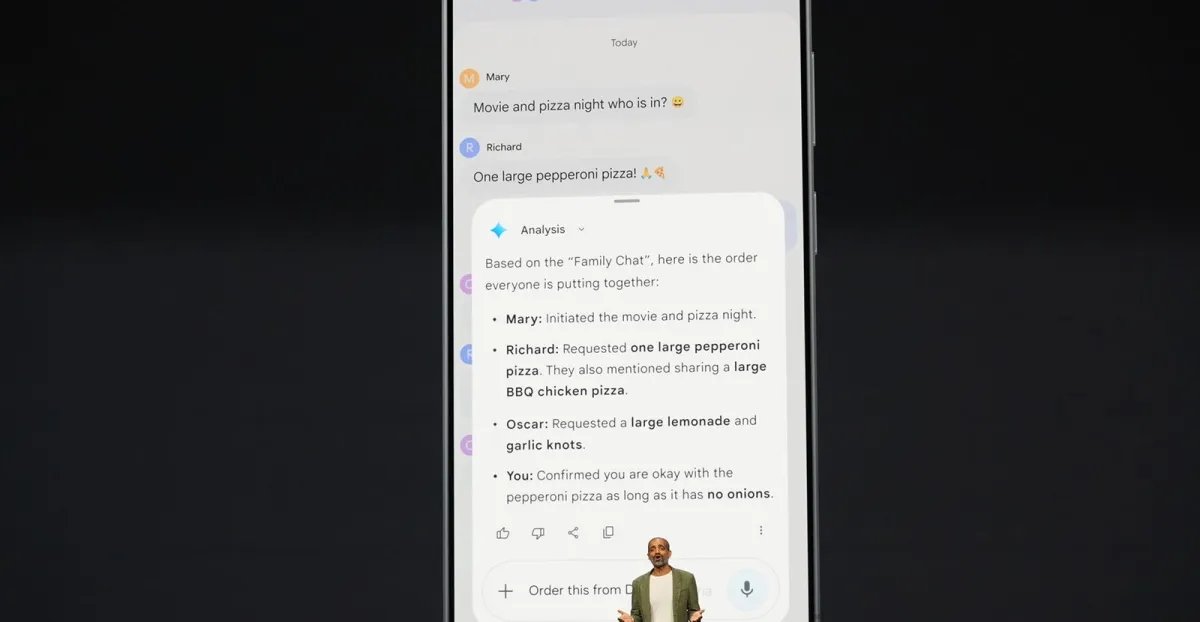
At Samsung's Galaxy S26 Unpacked event, Google demonstrated Gemini's ability to autonomously complete multi-step tasks — like analyzing group chats and ordering food through apps — a capability Apple promised for Siri in 2024 but has yet to ship.