Trump's Four-Page AI Framework Pushes Federal Control but Faces Uphill Battle in Congress
Axios analysis finds the White House AI proposal offers Congress a set of broad priorities rather than a legislative agenda, and may struggle to gain traction even among Republicans.
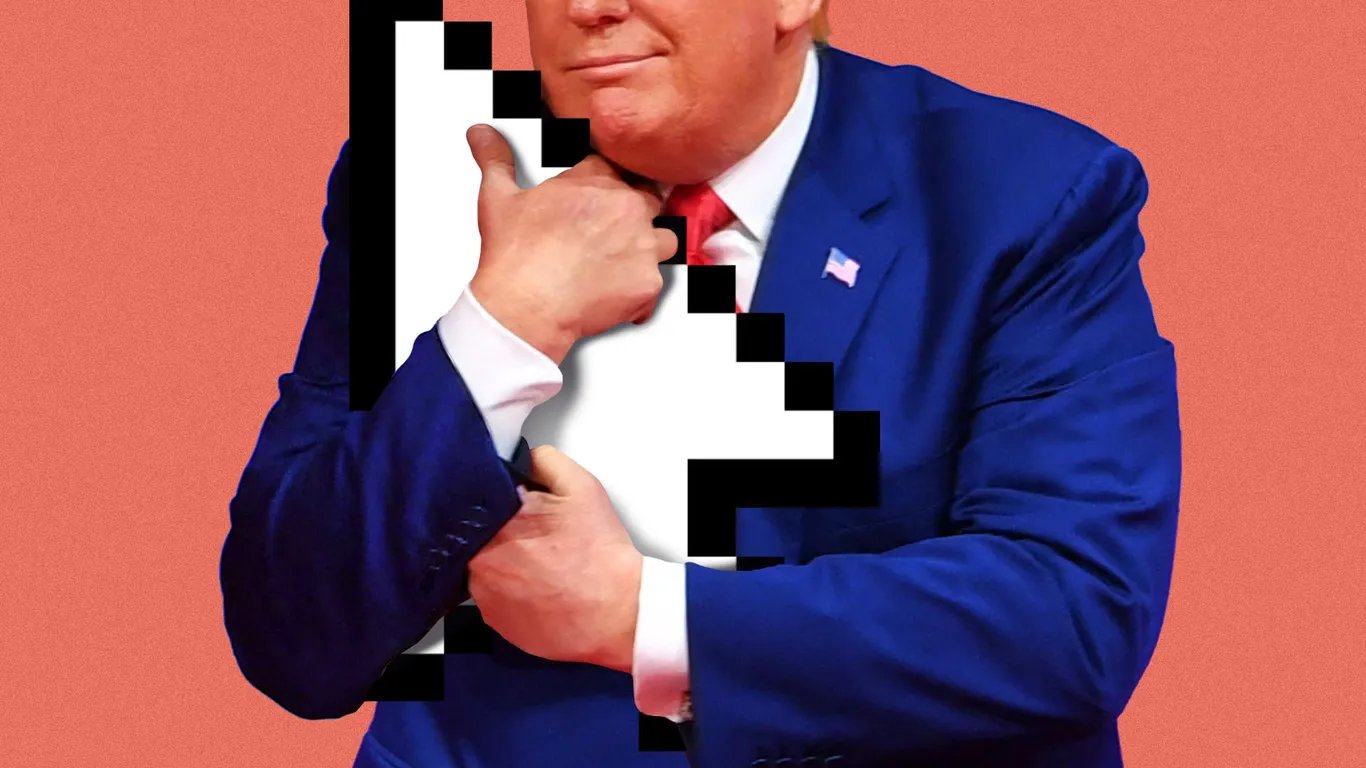
The Trump administration's National Policy Framework for Artificial Intelligence, released Friday, landed in Washington as a statement of priorities rather than a detailed roadmap, according to an Axios analysis published the same day. The four-page document urges Congress to restrict states from setting their own AI rules and calls for a nationally uniform regulatory environment, but it does not link to any specific pending legislation or propose concrete enforcement mechanisms for novel AI harms.
The framework's most significant provision — preempting state-level AI laws — is also its most politically combustible. Several prominent states including California, Colorado, and New York have enacted or are advancing their own AI safety requirements.
Those states and their congressional delegations are likely to resist any federal law that strips them of the authority to protect residents in the absence of federal guardrails they consider adequate.
The framework calls for Congress to address AI-generated replicas that mimic individuals without consent, to formalize the requirement that AI companies cover the energy costs associated with their data center expansion, and to create regulatory sandboxes that allow developers to test AI systems under lighter-touch oversight. On copyright, the administration took the position that training AI on copyrighted content does not inherently constitute infringement, explicitly declining to weigh in on the wave of active litigation brought by publishers, authors, and media companies against leading AI labs.
Analysts noted that achieving bipartisan consensus on a single AI bill will be difficult even with Republican control of both chambers. The White House indicated it hopes to work with Congress in the coming months to turn the framework into legislation this year.
Axios described the net effect as the White House staking out the parameters of the debate over AI governance, with the practical outcome depending heavily on whether congressional committees can align on specifics that the framework deliberately left vague.
Read the original reporting at Axios.