Microsoft releases three in-house AI models — MAI-Transcribe-1, MAI-Voice-1, and MAI-Image-2 — in its clearest challenge yet to OpenAI
The MAI Superintelligence team's first commercial model releases beat competitors on key benchmarks while undercutting OpenAI and Google on price.
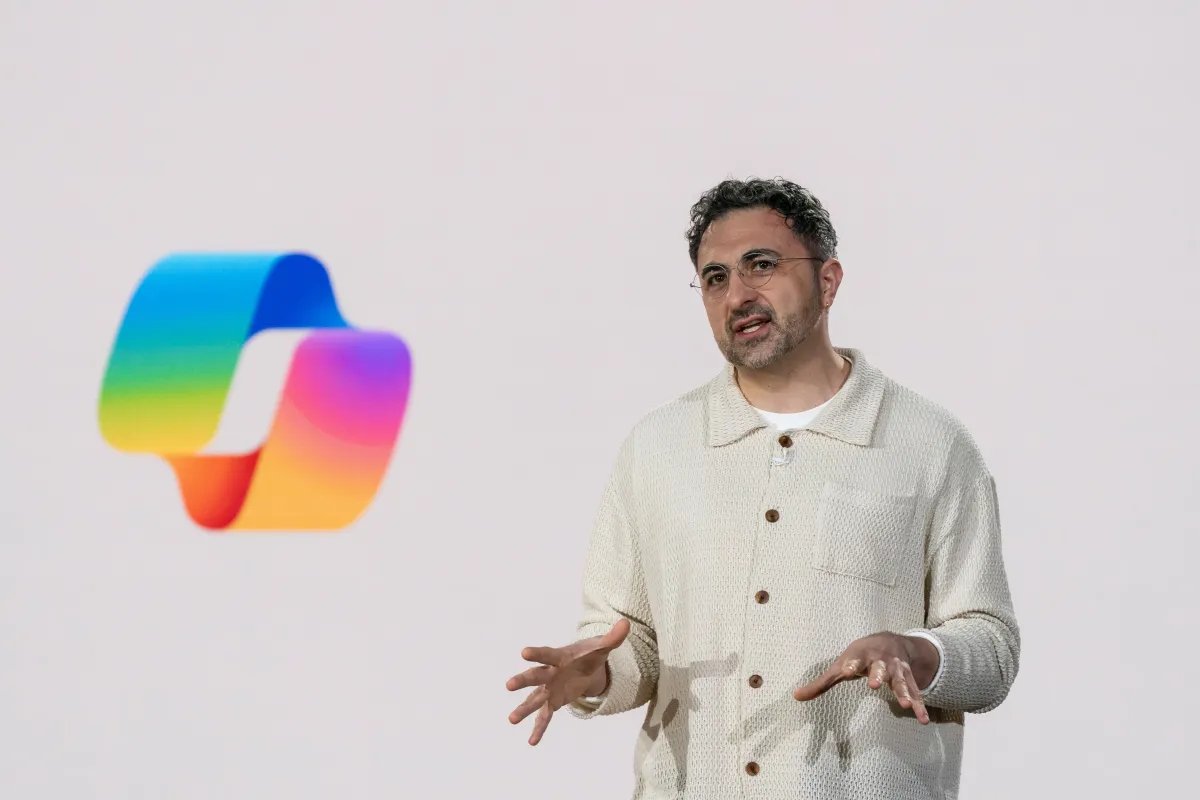
Microsoft's in-house AI research unit — the MAI Superintelligence team led by CEO of Microsoft AI Mustafa Suleyman — made its foundational models broadly available for commercial use on April 3, releasing MAI-Transcribe-1, MAI-Voice-1, and MAI-Image-2 on Microsoft Foundry and the new MAI Playground. The launch represents the clearest indication yet that Microsoft is building an independent AI model capability designed to compete with its own longtime partner OpenAI, as well as Google and other frontier labs.
MAI-Transcribe-1 is the most technically impressive of the three releases. Microsoft claims it achieves the lowest average word error rate on the FLEURS multilingual benchmark across the top 25 languages by Microsoft product usage, averaging 3.8 percent — outperforming OpenAI's Whisper-large-v3 on all 25 languages and beating Google's Gemini 3.1 Flash on 22 of 25.
The model is 2.5 times faster than Microsoft's existing Azure Fast transcription offering and is already being tested inside Copilot's Voice mode and Microsoft Teams. Pricing starts at $0.36 per hour.
MAI-Voice-1 is a text-to-speech model capable of generating 60 seconds of natural-sounding audio in one second, with support for custom voice creation from just a few seconds of audio sample, priced at $22 per million characters. MAI-Image-2, which had a limited debut on MAI Playground on March 19, is now fully available on Foundry at $5 per million text input tokens and $33 per million image output tokens, and is rolling out across Bing and PowerPoint.
Until a renegotiation of its OpenAI partnership completed in late 2025, Microsoft was contractually prohibited from independently pursuing artificial general intelligence. The new terms freed the company to develop its own frontier models while retaining license rights to OpenAI's output through 2032.
The MAI model family is the most tangible expression of Microsoft's emerging independence, with Suleyman framing the effort as building "humanist AI" focused on practical enterprise value.
Read the original reporting at TechCrunch.