AI
Anthropic tightens limits on Claude subscriptions
Axios says the change underscores how agent-style usage can overwhelm ‘all-you-can-eat’ subscription models.
Coverage of AI policy, regulation, lawsuits, and government oversight.
40 stories · Updated 2026-05-14
Internal disagreements and timing around Trump’s China summit are delaying a federal AI strategy, Axios reports.
Report says officials are weighing AI oversight measures and priority government access to frontier models.

The Commerce Department’s CAISI says it will conduct pre-deployment evaluations and targeted research with major AI labs to better understand advanced model capabilities.
Axios reports the White House is considering a larger federal role in assessing frontier models, while also exploring ways to use Anthropic models despite Pentagon risk labeling.
Axios reports the administration is considering a framework that would add a new layer of review before AI systems are deployed across government.

The UK’s National Cyber Security Centre warns AI-driven bug discovery could trigger a wave of vulnerabilities that overwhelms patch capacity.

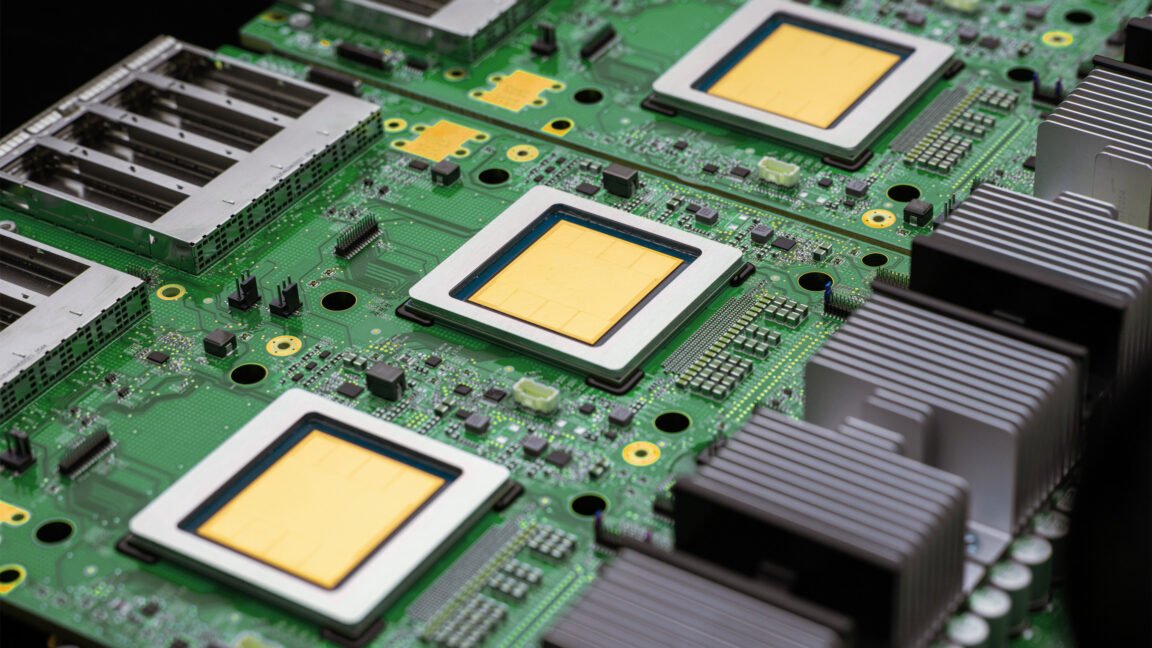
The company says the new TPU designs target faster frontier-model training and improved efficiency across the AI lifecycle.
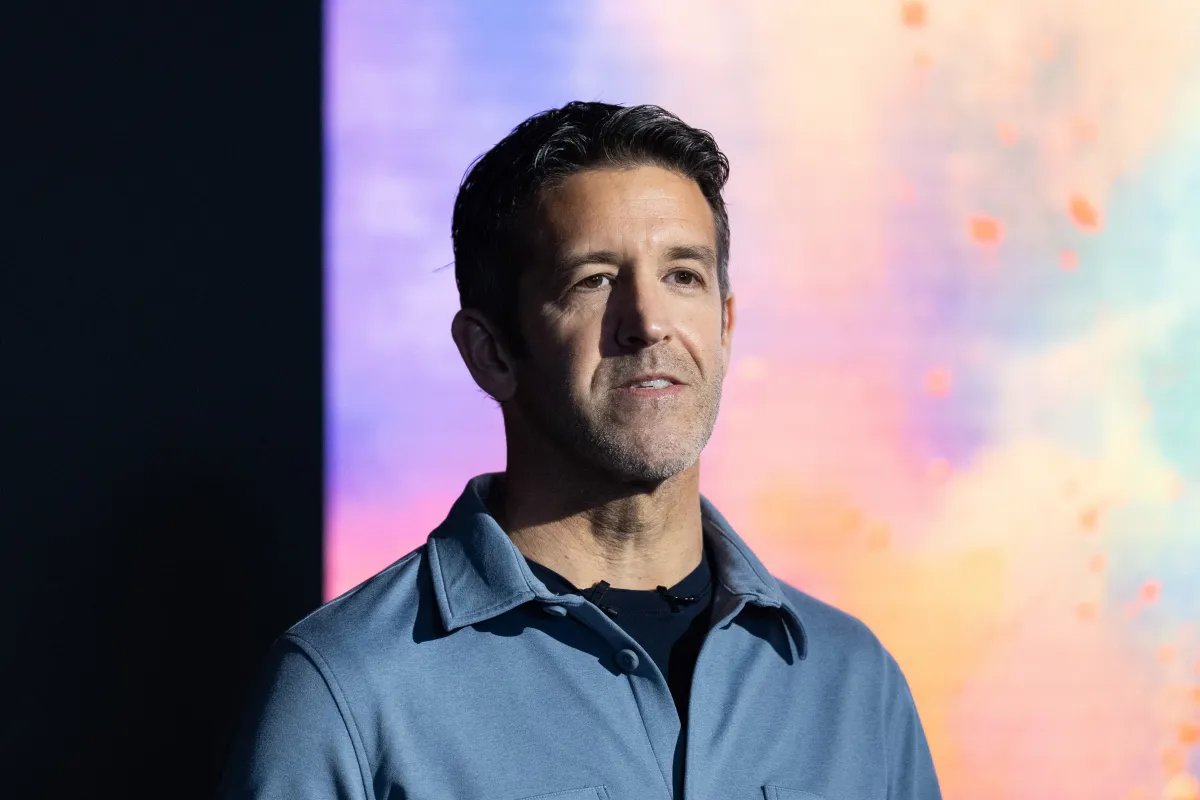
Ternus, a 25-year Apple veteran who helped build the Apple Watch, AirPods, and Vision Pro, is expected to push AI-powered devices rather than competing directly with frontier model labs.
Alphabet will inject $10 billion immediately at a $380 billion valuation, with $30 billion more contingent on Anthropic hitting performance benchmarks.
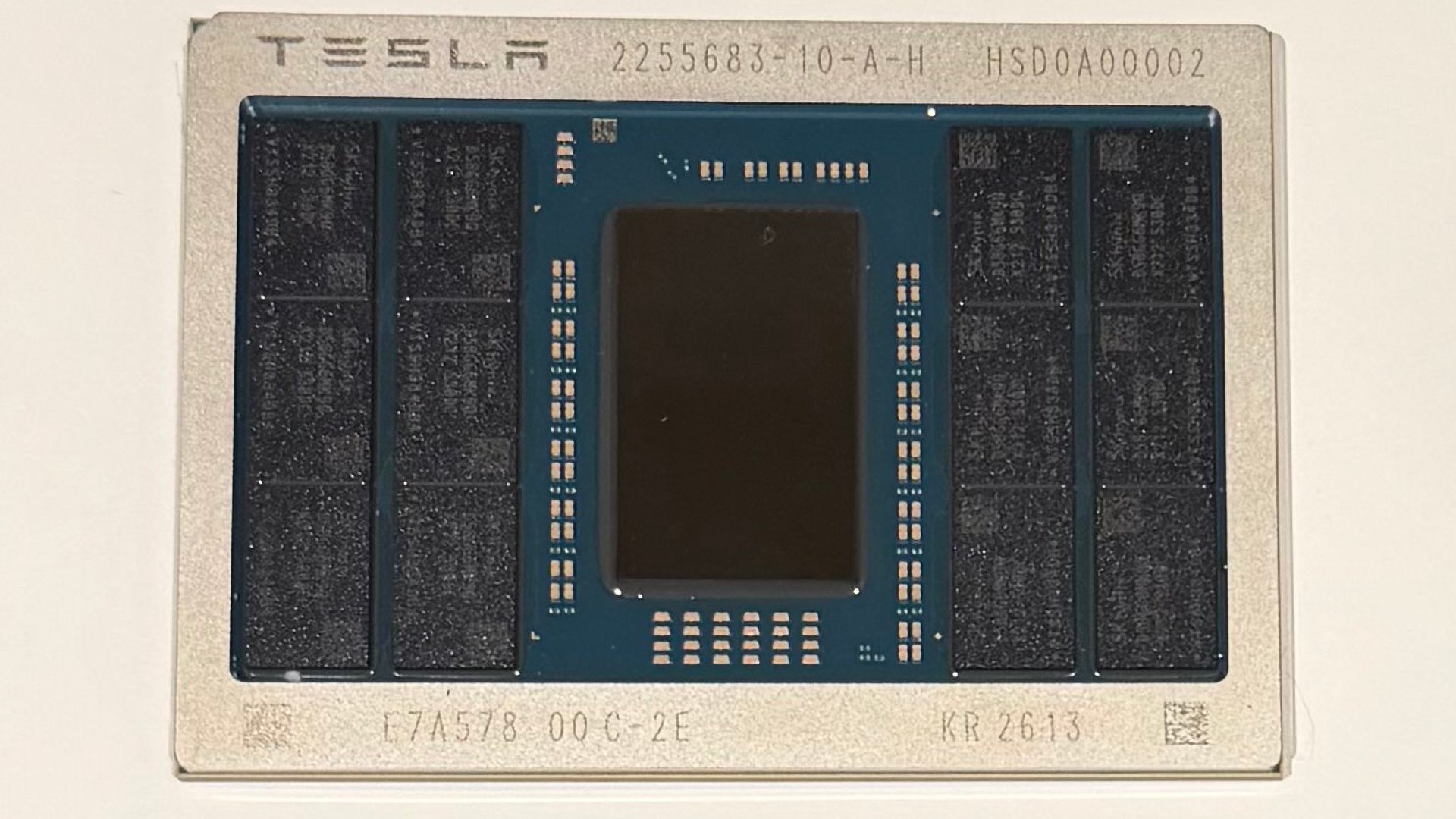
Excerpts from the company's confidentially filed $1.75 trillion IPO registration list in-house GPU production as a major capital expenditure, alongside the Terafab chip venture Elon Musk is developing with Tesla and xAI using Intel's 14A process node.
The company held a Washington event for roughly 50 cyber defense practitioners and is extending access to its GPT-5.4-Cyber model through a tiered program designed to keep advanced tools out of adversarial hands.
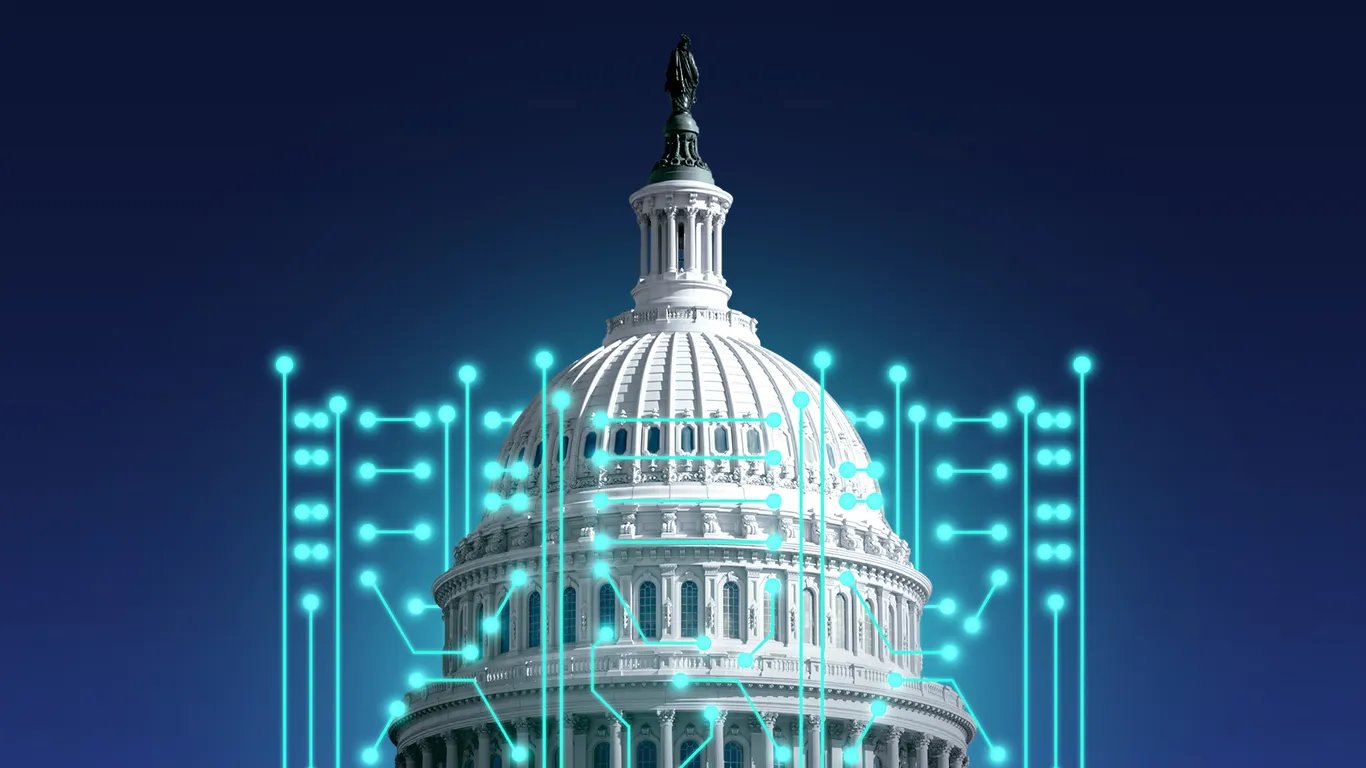
The chip equipment giant lifted its annual revenue outlook to €36–40 billion on strong AI demand, but investors sold shares on concern that new US restrictions could cut Chinese orders, which currently account for about 20 percent of ASML's sales.
The $15 million addition brings in a new cohort of think tanks including American Compass, CSIS, the Urban Institute, and Chile's CENIA to examine AI's effects on labor markets, infrastructure, and democratic institutions.

Federal regulators and senior officials, including Federal Reserve Chair Jerome Powell, privately cautioned bank CEOs about the potential dangers of Anthropic's restricted frontier model, as JPMorgan and Morgan Stanley were permitted to test it for defensive security purposes.
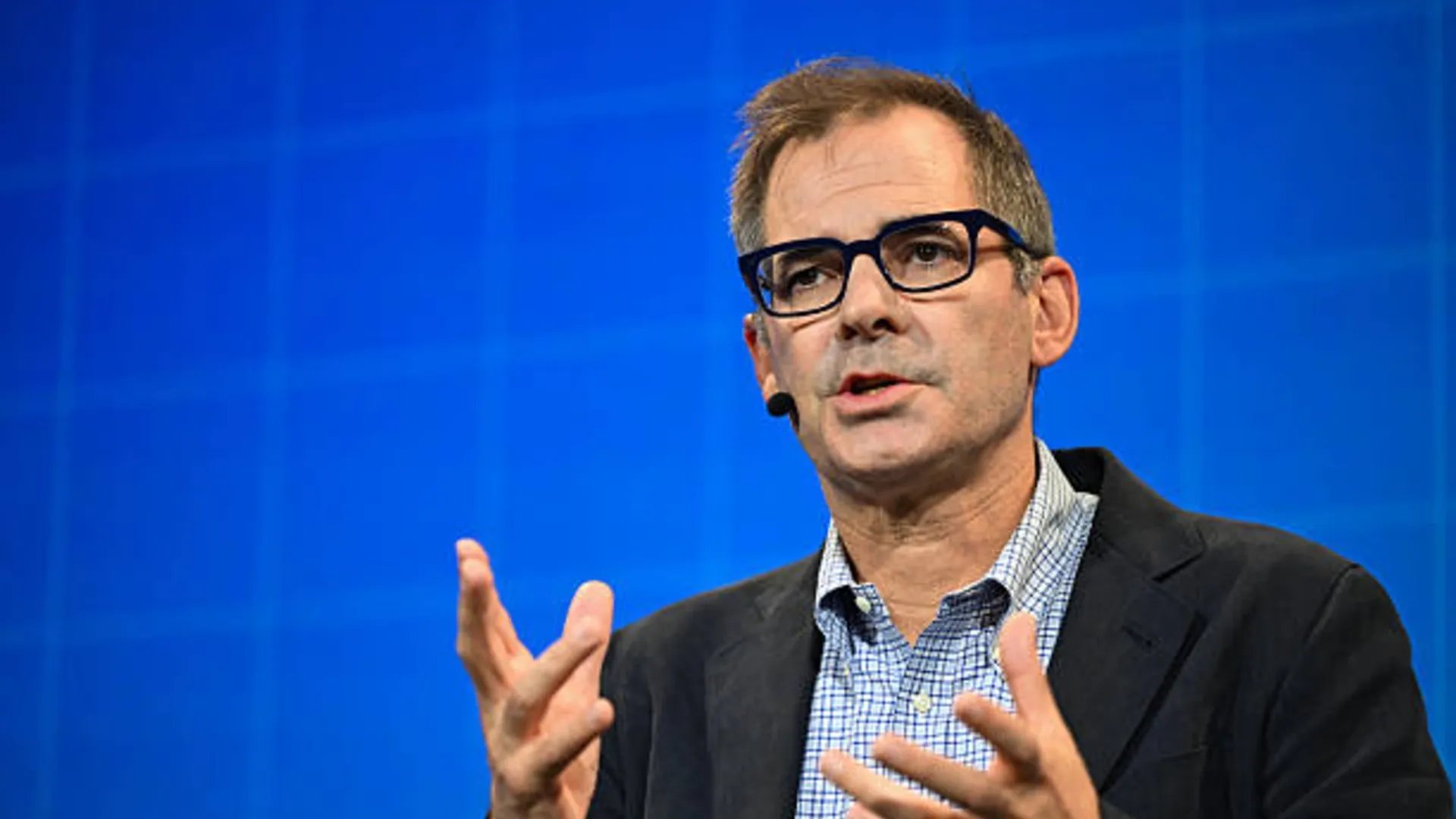
The agreement gives Anthropic a new tranche of Nvidia-powered data center capacity in the US, as demand for Claude continues to surge past a $30 billion annual run rate.
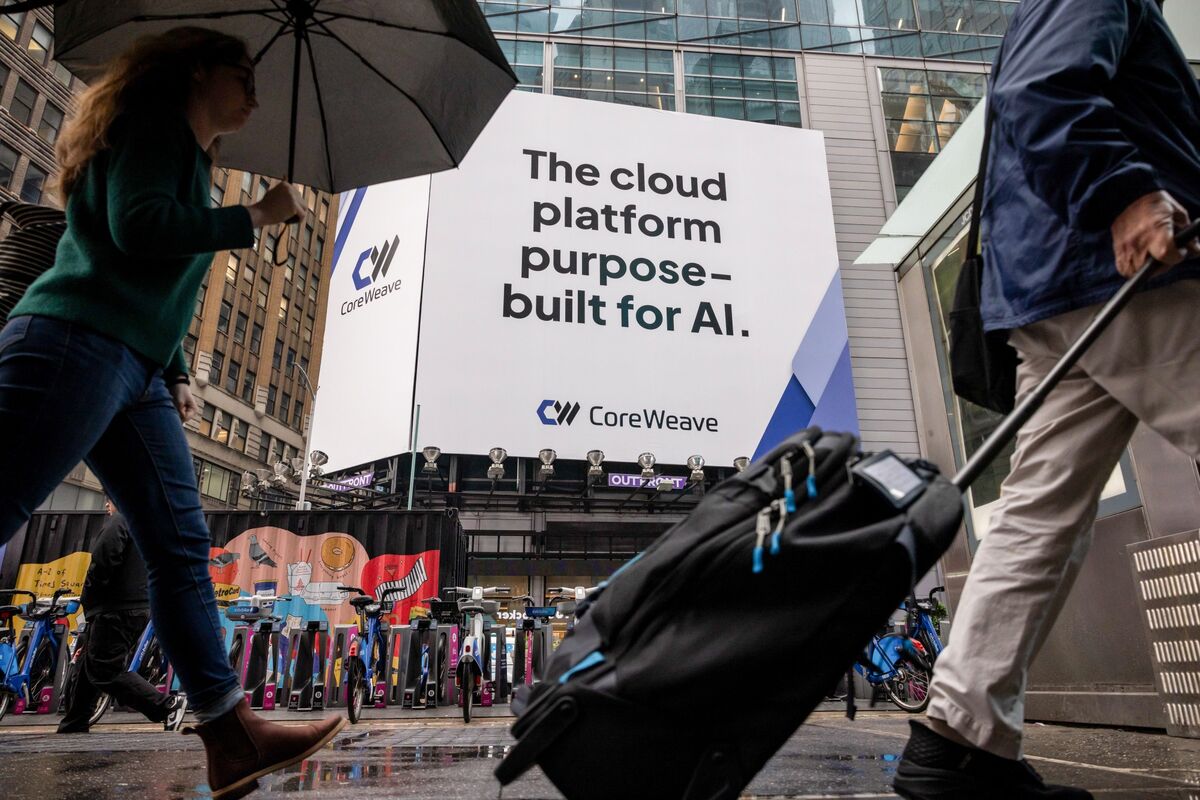
The partnership gives Intel a crucial validation of its data center chip roadmap at a moment when the company is fighting to stay relevant against Nvidia and custom silicon.

The cumulative commitment cements Mississippi as one of the largest sites of AI infrastructure investment in the United States, with new campuses and a 616-megawatt renewable energy buildout.
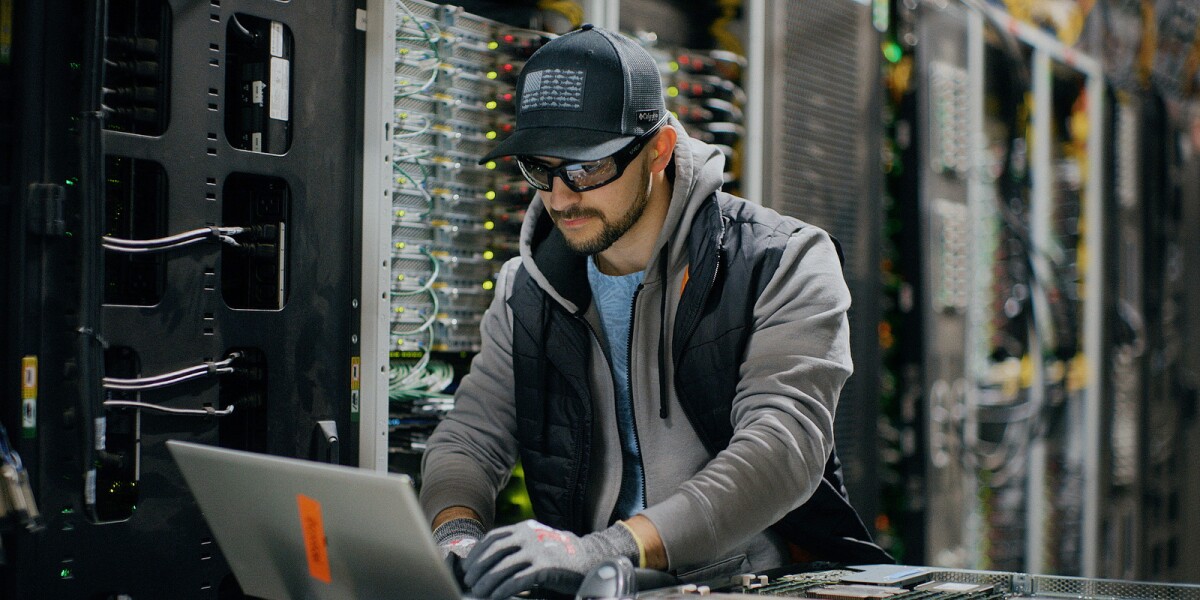
The three competing AI labs are sharing intelligence to detect adversarial distillation — a practice where foreign actors extract proprietary capabilities from frontier models without authorization.
The Nvidia manufacturing partner's quarterly results signal that hyperscaler appetite for AI compute hardware remains robust despite geopolitical headwinds.

The policy change, effective immediately, cuts off users from applying their Claude subscriptions to popular external AI agents, reshaping the indie tool ecosystem built around Claude.
The MAI Superintelligence team's first commercial model releases beat competitors on key benchmarks while undercutting OpenAI and Google on price.
The three tech giants are committing to gigawatts of gas generation capacity to feed insatiable AI energy demand, raising questions about long-term resource and climate exposure.

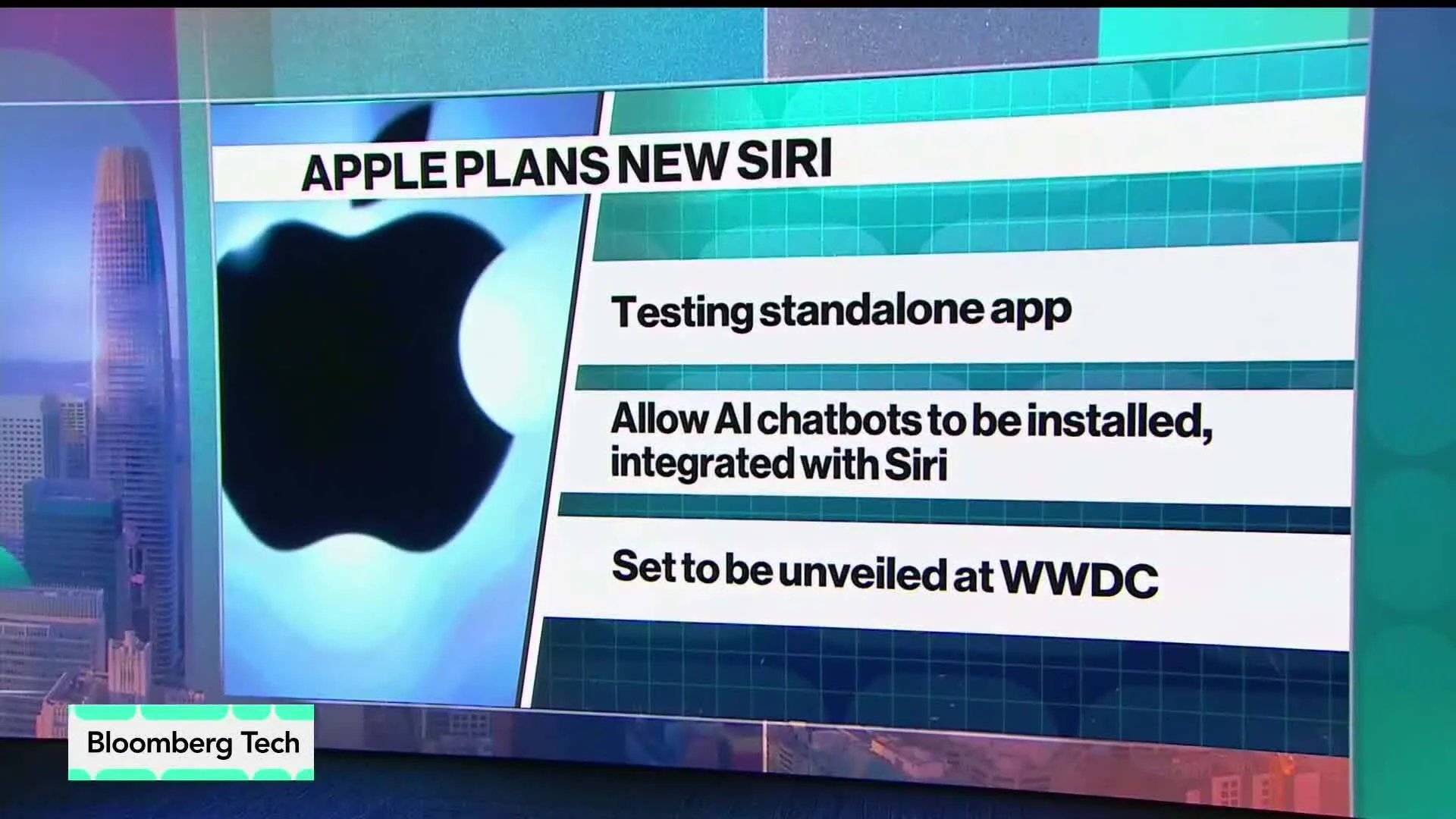
The iPhone maker will let ChatGPT, Gemini, and other third-party models plug directly into Siri, reframing Apple as an AI platform rather than a single-model gatekeeper.
The Trump administration's six-part legislative blueprint calls on Congress to block state-level AI regulations, limit AI developer liability, and establish uniform federal standards to prevent a regulatory patchwork.
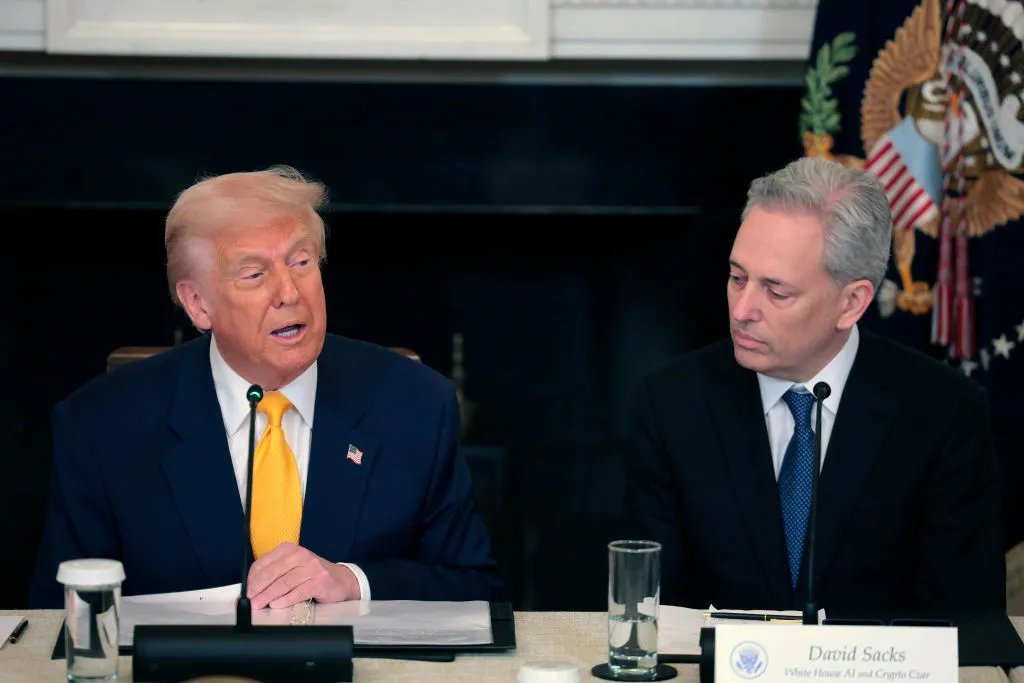
The Trump administration's framework urges Congress to preempt state AI regulations in California, Colorado, and New York and standardize the permitting process for the data centers that power AI systems.
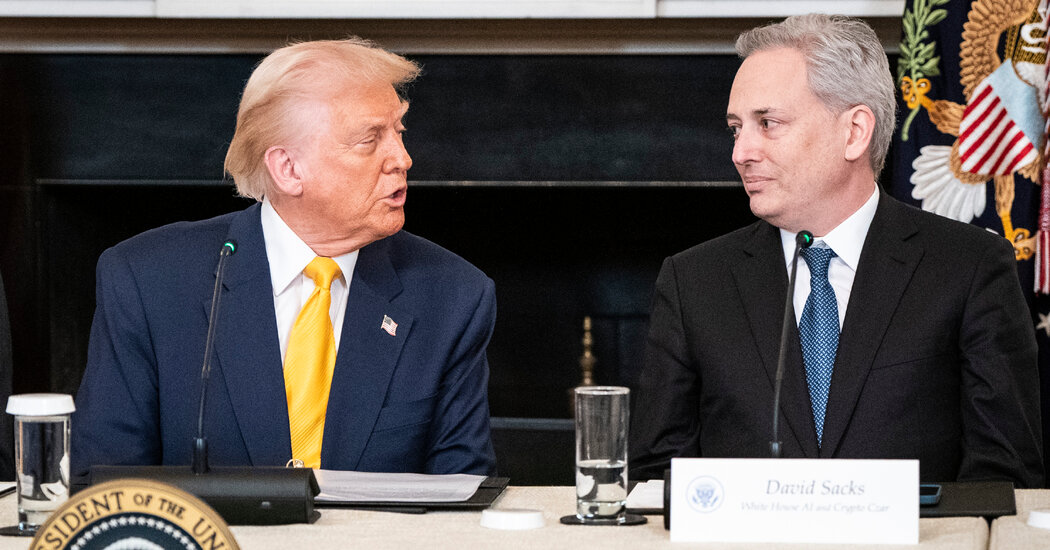
Axios analysis finds the White House AI proposal offers Congress a set of broad priorities rather than a legislative agenda, and may struggle to gain traction even among Republicans.
The blueprint expands on Trump's December AI executive order with new provisions on child safety, data center energy permitting, and censorship protections, but faces a Congress where even Republicans hold divergent views on AI governance.
The conference confirmed that Nvidia's competitive edge is shifting from selling individual chips to delivering integrated rack-scale systems built for the age of autonomous AI agents.
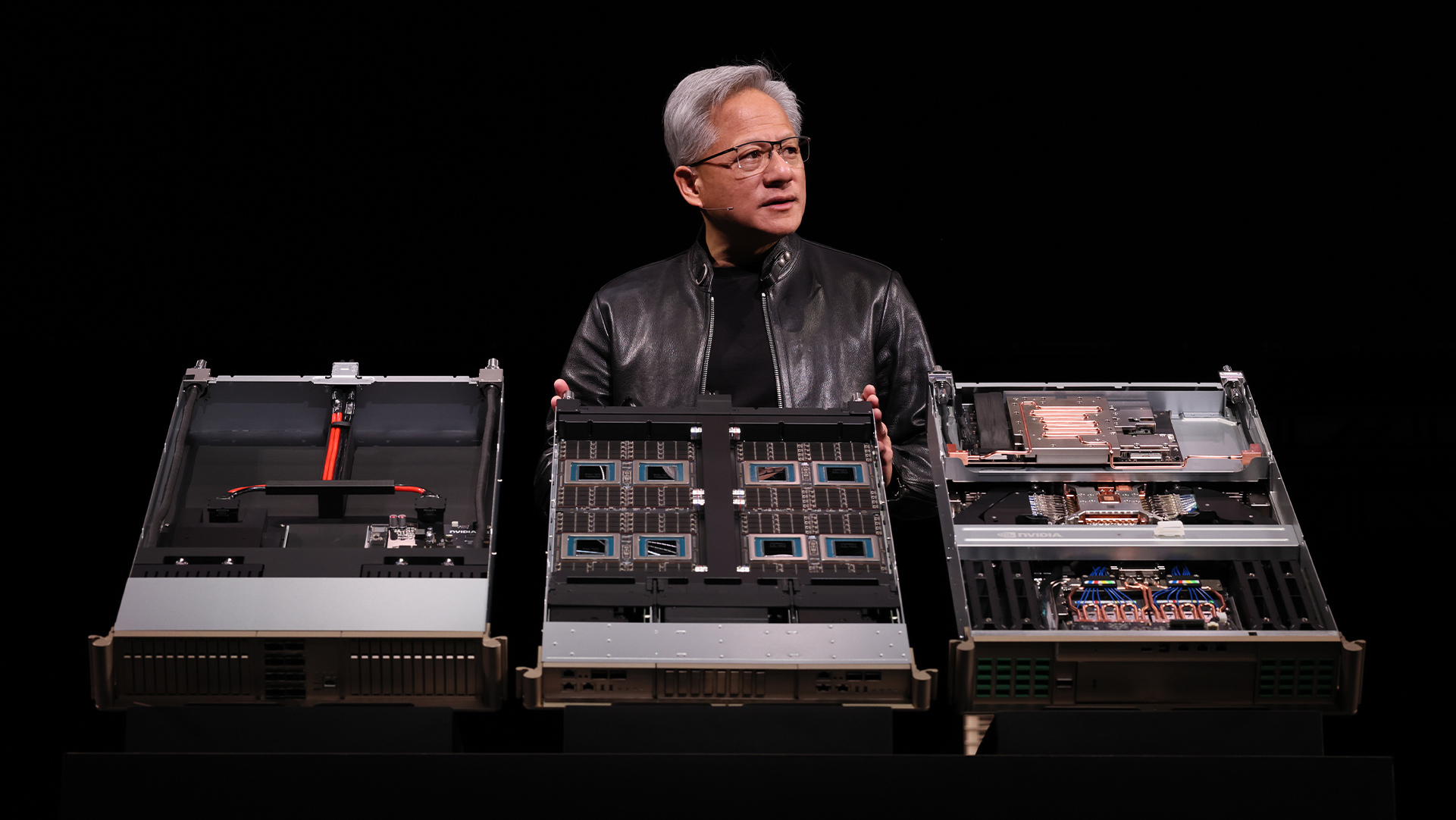
Jensen Huang's keynote at the SAP Center in San Jose introduced a seven-chip computing platform and an entirely new class of AI inference processor derived from Nvidia's $20 billion Groq acquisition.
The open-source stack adds policy enforcement, privacy routing, and network guardrails to OpenClaw, which Huang called the most popular open-source project in history and said every company will need a strategy for.
The bank's post-conference research identifies electricians, construction workers, and AI trainers as the fastest-growing job categories in the AI economy, despite net workforce reductions in knowledge work.

Silicon Valley is watching closely as the first-ever supply-chain risk designation against a US domestic company tests whether the executive branch can penalize firms for their AI safety positions.
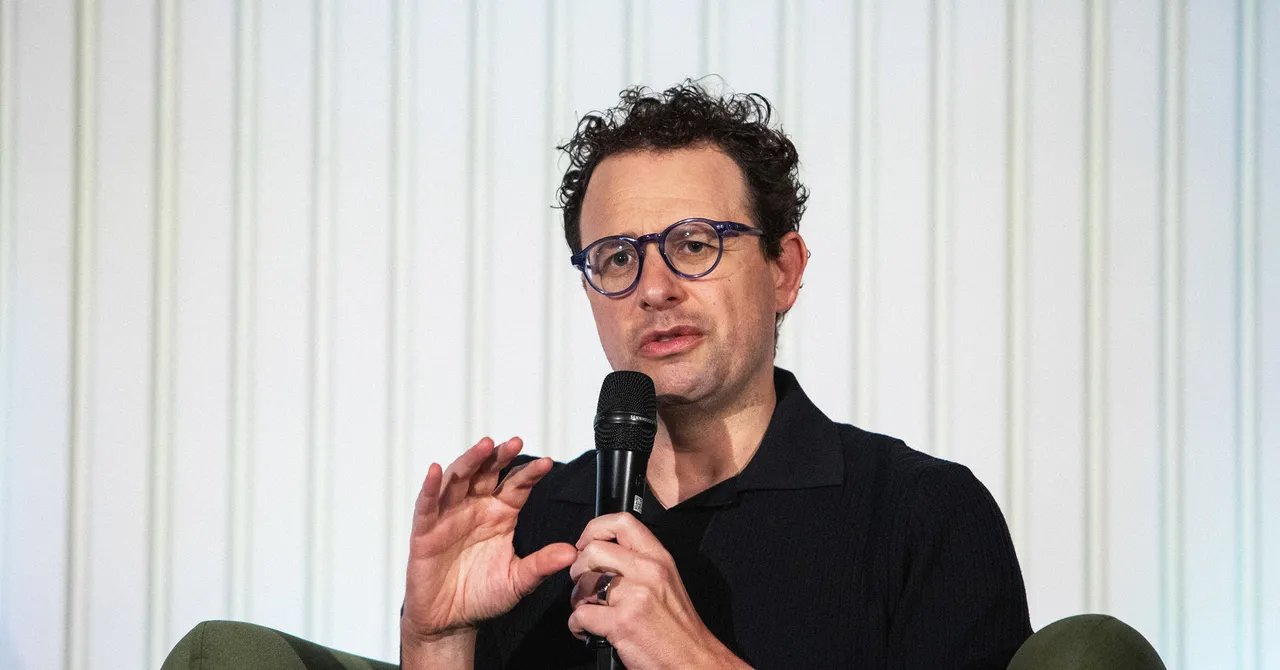
The deal brings automated red-teaming and vulnerability detection into OpenAI's Frontier enterprise platform, used by more than a quarter of Fortune 500 companies.

The Claude maker filed two federal complaints challenging the DOD's unprecedented blacklisting of an American AI company, citing First Amendment violations.
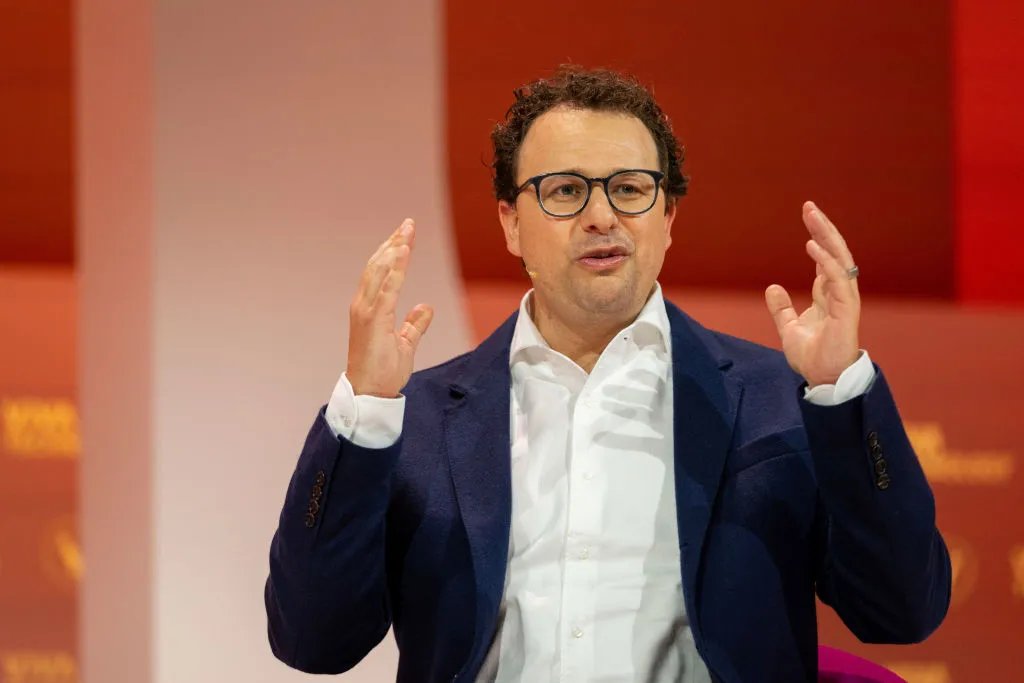
Mobile World Congress kicked off with device makers showcasing on-device AI chips, foldables, and a functional robot phone with an autonomous tracking camera.

After announcing its DoD partnership on Friday, OpenAI revised the agreement to explicitly bar use of its AI for mass surveillance of American citizens.
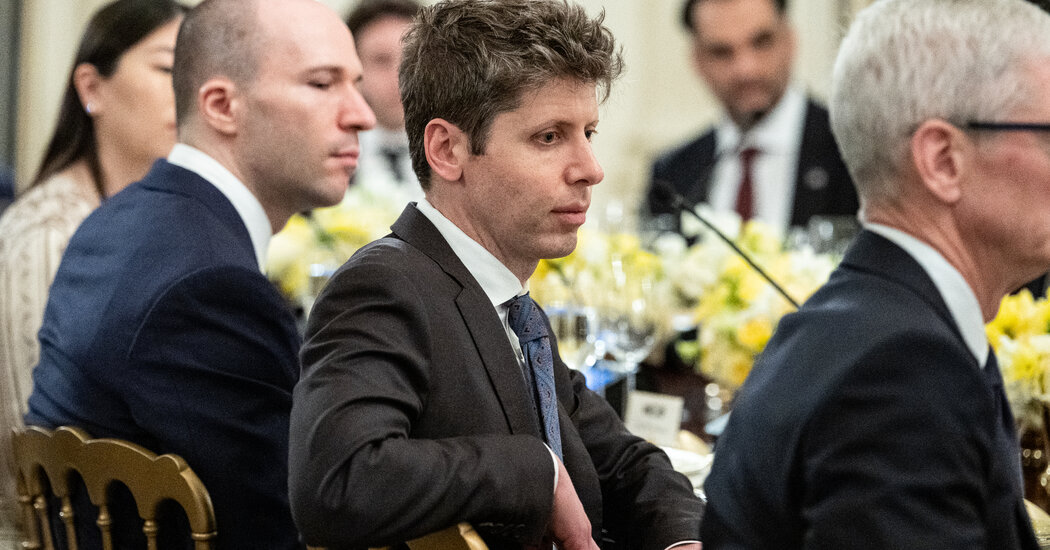
App data showed a dramatic consumer backlash against OpenAI's DoD partnership, with Claude briefly surpassing ChatGPT as the top U.S. App Store download.

Defense Secretary Pete Hegseth classified Anthropic as a national security supply-chain risk, banning its models from all federal agencies, while OpenAI immediately secured a classified-network deal with the Department of Defense.
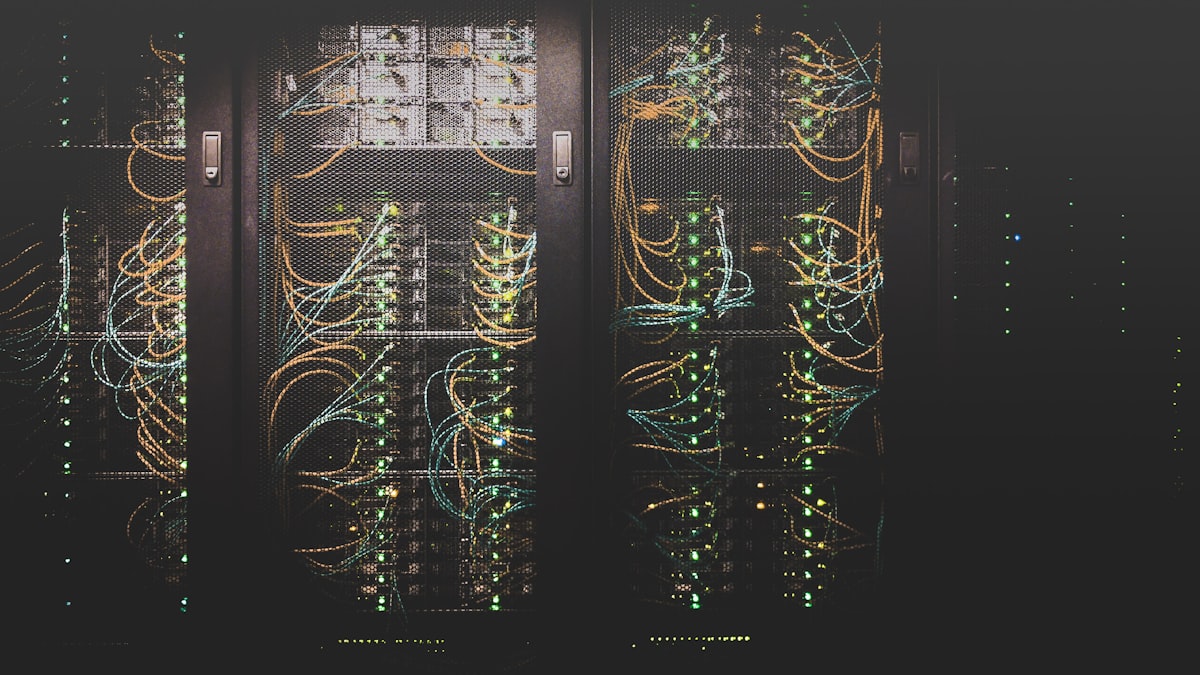
AMD and Meta announced a sweeping chips-for-stock agreement under which Meta will acquire AI chips equivalent to six gigawatts of capacity and gain the option to purchase up to a 10% stake in AMD.