OpenAI Lands Pentagon AI Contract Hours After Trump Blacklists Anthropic From Federal Work
Defense Secretary Pete Hegseth classified Anthropic as a national security supply-chain risk, banning its models from all federal agencies, while OpenAI immediately secured a classified-network deal with the Department of Defense.
In a dramatic sequence late Friday, the Trump administration simultaneously froze Anthropic out of federal government work and welcomed OpenAI into the Defense Department's classified computing network, exposing the political fault lines now running through America's AI industry. Defense Secretary Pete Hegseth classified Anthropic under the "SupplyChain Risk National Security" designation — a label typically reserved for foreign threats — after weeks of strained contract negotiations broke down.
President Trump ordered all federal agencies to immediately cease using any technology developed by Anthropic.
Anthropic had been the first AI laboratory to deploy its models within the Defense Department's classified network and was in active contract negotiations before talks collapsed. The company sought assurances that its models would not be used for fully autonomous weapons systems or mass surveillance of U.S. citizens.
The Defense Department, according to reporting, wanted broader permission for military applications across all lawful uses and grew frustrated with what officials characterized as excessive safety-related conditions.
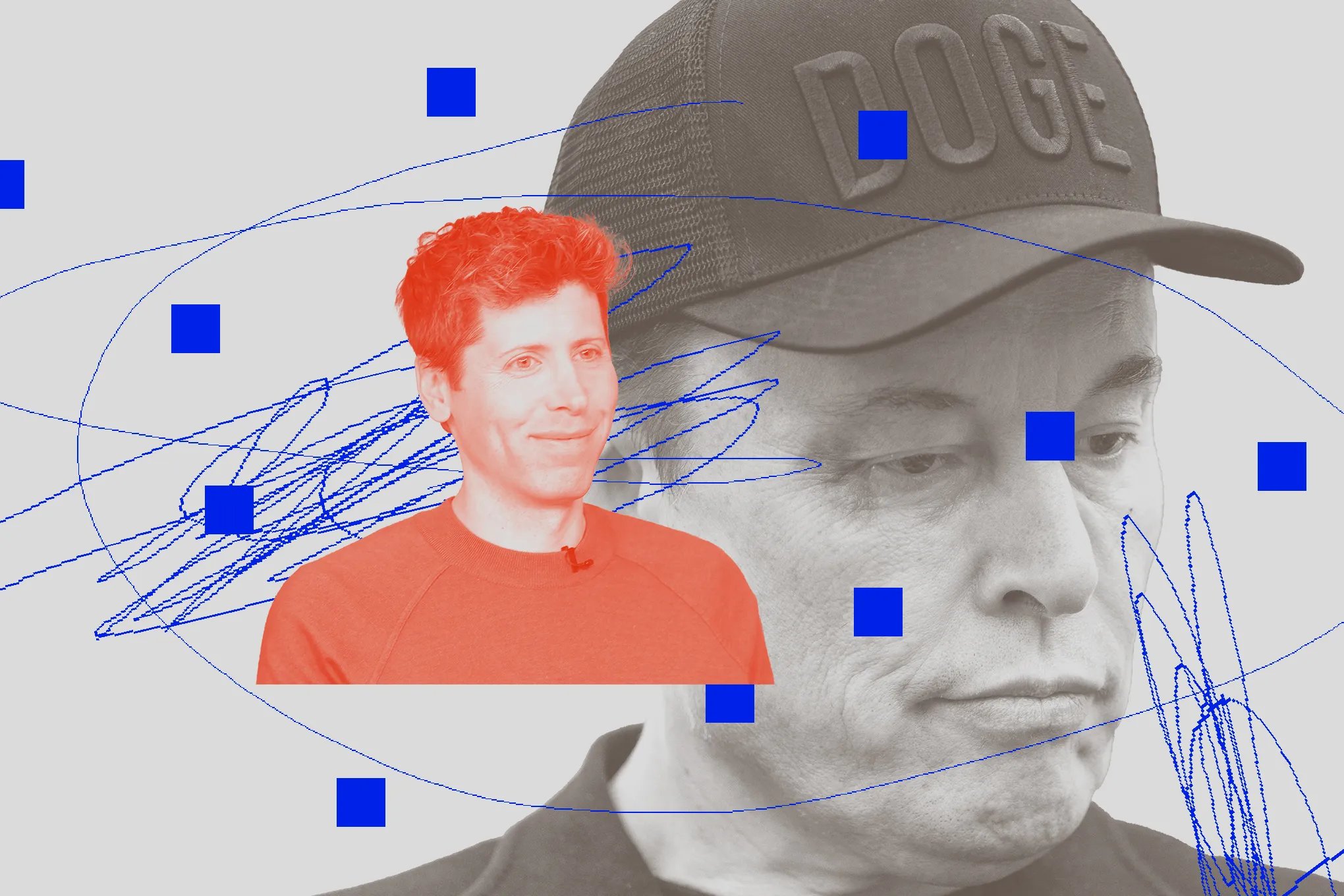
OpenAI CEO Sam Altman announced the Pentagon deal on X late Friday, saying his company had finalized terms with the Defense Department to run its AI models on classified systems — incorporating the same two safety principles Anthropic had insisted on: bans on domestic mass surveillance and requirements for human accountability in the use of force, including autonomous weapon systems. Altman stated the Defense Department accepted these limitations and urged the government to apply the same standard to all AI companies.
OpenAI pledged to implement technical safeguards to ensure proper model function and to assign dedicated personnel to oversee safety.
The simultaneous actions created an extraordinary public spectacle at the intersection of AI safety and national security politics. Anthropic issued a statement saying it was "deeply" troubled by the blacklisting and intended to contest the designation in court.
The episode underscored how AI safety commitments that were once industry consensus have become politically contested, with the Trump administration effectively choosing sides between labs based on perceived willingness to cooperate with broad military applications.
Read the original reporting at CNBC.