Apple opens Siri to rival AI assistants in sweeping chatbot-agnostic pivot
The iPhone maker will let ChatGPT, Gemini, and other third-party models plug directly into Siri, reframing Apple as an AI platform rather than a single-model gatekeeper.
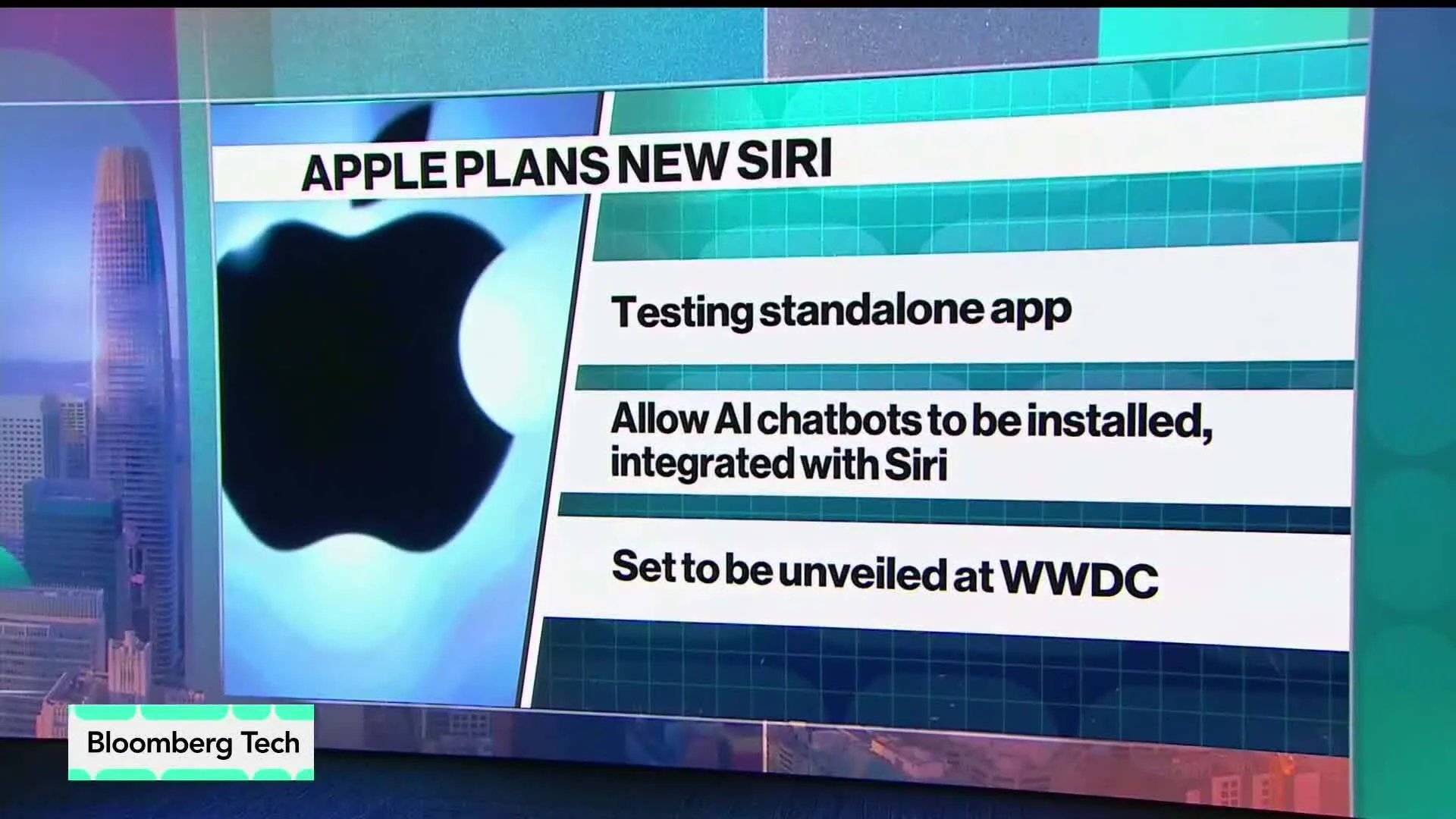
Apple announced on March 27 that it plans to open Siri to outside artificial intelligence assistants, a major strategic shift that Bloomberg's Mark Gurman described as the company going "chatbot agnostic." Rather than building one proprietary AI brain into the iPhone, Apple will position Siri as a routing layer that users can direct toward whichever model they prefer, whether ChatGPT, Google Gemini, or another third-party service.
The move is widely seen as an acknowledgment that Apple's in-house AI development has lagged behind rivals. The company has faced sustained pressure to articulate a credible AI story as competitors ship frontier models at an accelerating pace.
By opening Siri to outside assistants, Apple can sidestep the model-building race and instead compete on hardware integration and user trust, the areas where it retains the strongest advantages.
The pivot dovetails with a broader restructuring of Apple's AI ambitions that Gurman described in a follow-up newsletter two days later. In that report, Apple was also said to be discontinuing the Mac Pro in favor of the Mac Studio, and to have issued rare retention bonuses to iPhone hardware designers to fend off recruitment advances from OpenAI.
The bonuses signal how seriously Apple is taking talent poaching as AI labs expand aggressively.
Analysts noted that the chatbot-agnostic strategy mirrors Apple's longtime App Store model: own the platform, set the rules, and take a cut of the commerce that flows through it. If third-party AI assistants must integrate through Siri APIs governed by Apple, the company could influence how those models behave on its devices even without building them itself.
The financial and competitive implications of that position could prove substantial as conversational AI becomes a default interface for computing.
Read the original reporting at Bloomberg.