Bloomberg: White House AI Framework Builds on December Executive Order, Offers Skeptical Congress a Starting Point
The blueprint expands on Trump's December AI executive order with new provisions on child safety, data center energy permitting, and censorship protections, but faces a Congress where even Republicans hold divergent views on AI governance.
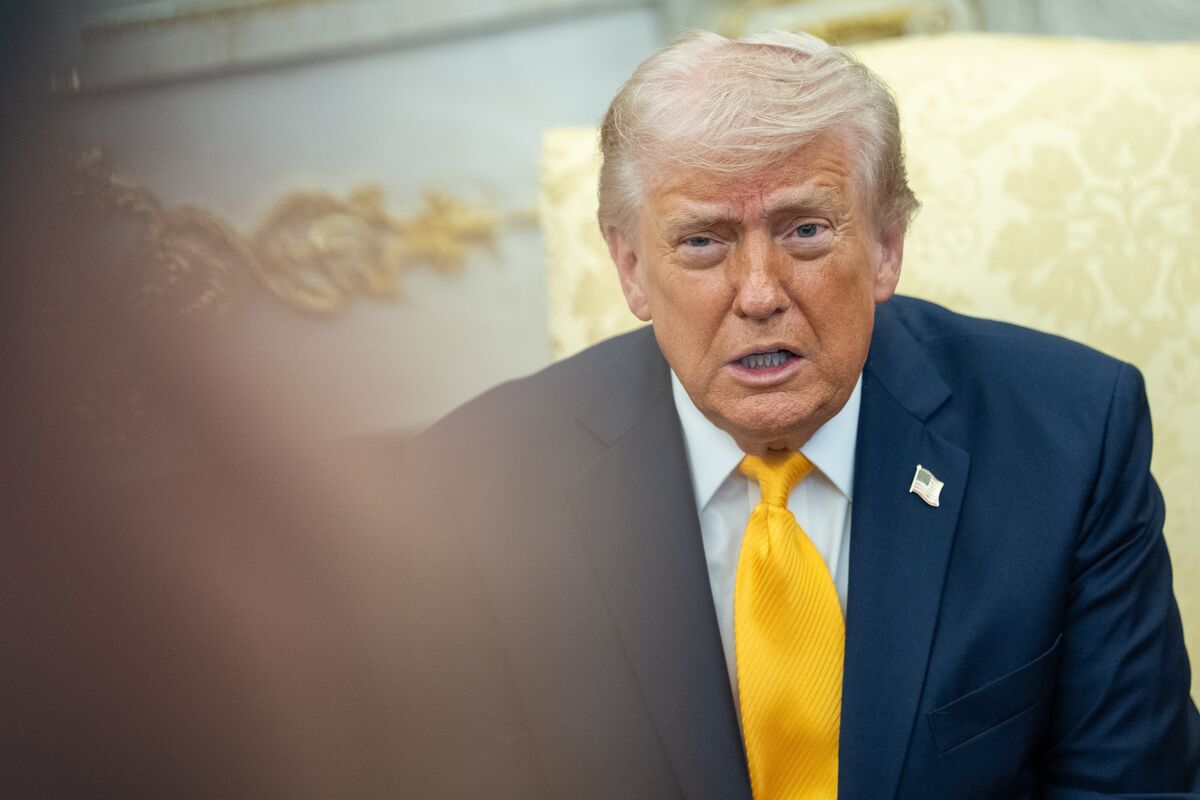
President Donald Trump on Friday released a national framework for regulating artificial intelligence, extending the policy direction he established in a December 2025 executive order and setting up what is likely to be a protracted negotiation with Congress over the terms of a uniform federal law. Bloomberg reported that the framework calls for online safeguards for children, reduced permitting requirements so data centers can generate their own power on site, and provisions aimed at preventing censorship of political speech by AI systems.
The child safety component reflects one of the few areas where significant bipartisan concern exists, though critics noted the framework places primary responsibility on parents rather than platforms. The data center permitting language is designed to address a real bottleneck: the permitting and grid interconnection processes for large-scale AI infrastructure can take years under existing regulatory frameworks, a constraint that AI companies and cloud providers argue is slowing the buildout of the compute capacity the United States needs to maintain its global AI lead.
The censorship provisions are aimed at a concern that has been central to the Trump administration's broader technology policy — the allegation that AI systems reflect liberal editorial bias. The framework calls for Congress to prohibit the government from coercing AI providers to alter content based on partisan or ideological considerations, though critics noted that the administration's own prior executive order on woke AI directed agencies to procure AI systems deemed ideologically neutral, arguably an example of the same coercive dynamic the framework purports to prohibit.
Bloomberg noted that the framework faces a skeptical Congress, where the administration's preferred approach of light-touch federal preemption conflicts with the more interventionist instincts of some Republican senators and virtually all Senate Democrats. The administration said it hopes to deliver legislation to Trump for signature this year, a goal that would require unprecedented speed from a divided Congress already managing a full legislative agenda.
Read the original reporting at Bloomberg.