Anthropic forces Claude Code users to pay separately for OpenClaw and other third-party AI agents
The policy change, effective immediately, cuts off users from applying their Claude subscriptions to popular external AI agents, reshaping the indie tool ecosystem built around Claude.
Anthropic announced on April 4 that Claude subscription limits will no longer cover usage by OpenClaw and other third-party agent tools, a change that effectively forces heavy users of those tools to pay on a pay-as-you-go basis through Claude's API. The policy, communicated via an email to subscribers the previous night and confirmed in a customer email shared on Hacker News, states that starting at noon Pacific time on April 4, subscribers "will no longer be able to use your Claude subscription limits for third-party harnesses including OpenClaw."
The change represents a significant jolt to a developer ecosystem that had grown up around using Claude models as the engine behind popular open-source agents. OpenClaw, created by Peter Steinberger and since widely adopted by developers for tasks like inbox management, calendar organization, and flight check-ins, had placed considerable strain on Anthropic's infrastructure as usage grew rapidly.
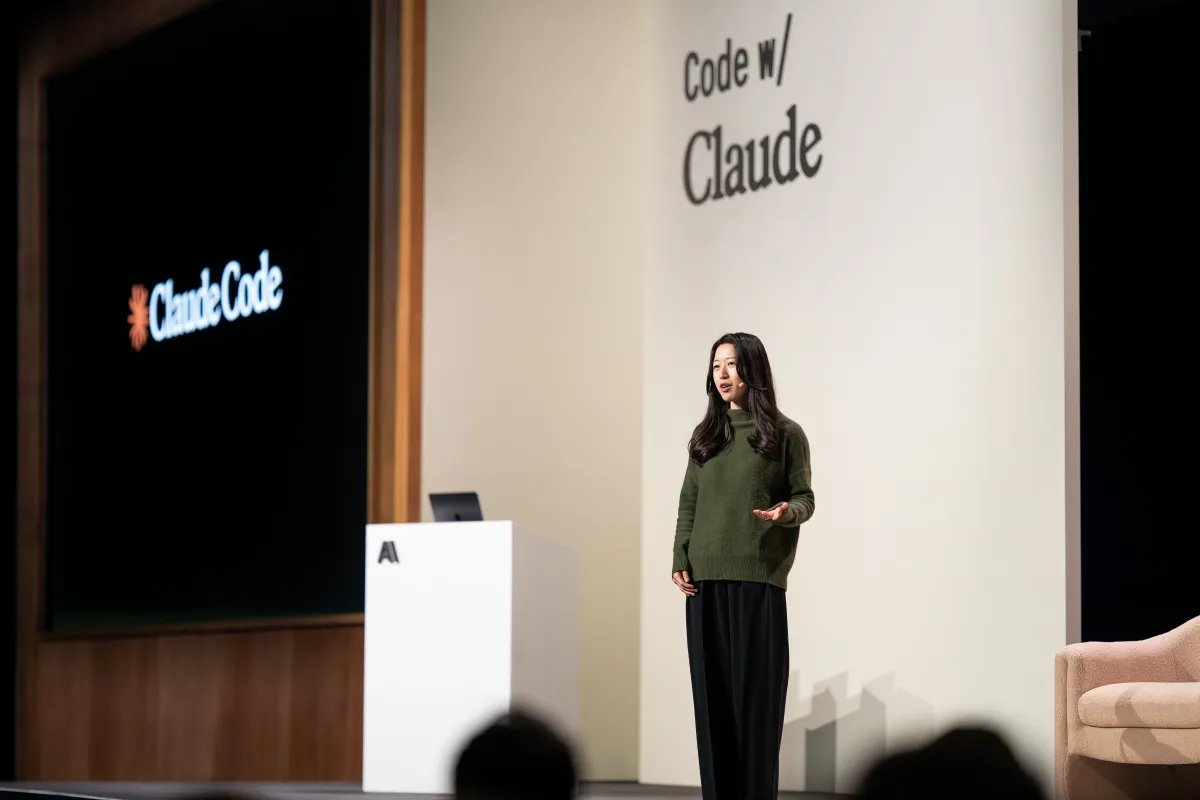
Boris Cherny, head of Claude Code at Anthropic, acknowledged on X that Anthropic's "subscriptions weren't built for the usage patterns of these third-party tools" and that the company is trying to manage capacity sustainably.
Anthropic offered affected subscribers a one-time credit equal to their monthly subscription cost, plus the option for a full refund. Discounted pay-as-you-go bundles were made available as an alternative.
The company said the policy applies broadly to all third-party agent harnesses, not just OpenClaw, and will be rolled out to additional tools over time.
The Verge and TechCrunch both noted the move is likely to accelerate a competitive dynamic in which Anthropic nudges users toward its own proprietary agent product, Claude Cowork, rather than relying on third-party integrations. The incident also highlights a broader tension in the AI industry between open ecosystems built by independent developers and the commercial and infrastructure constraints of the underlying model providers.
Read the original reporting at The Verge.