AI
Anthropic tightens limits on Claude subscriptions
Axios says the change underscores how agent-style usage can overwhelm ‘all-you-can-eat’ subscription models.
Coverage of OpenAI, GPT models, Sam Altman, and ChatGPT.
54 stories · Updated 2026-05-14
OpenAI added new Realtime API capabilities for voice conversations, live transcription, and translation, including a new GPT‑Realtime‑2 model.
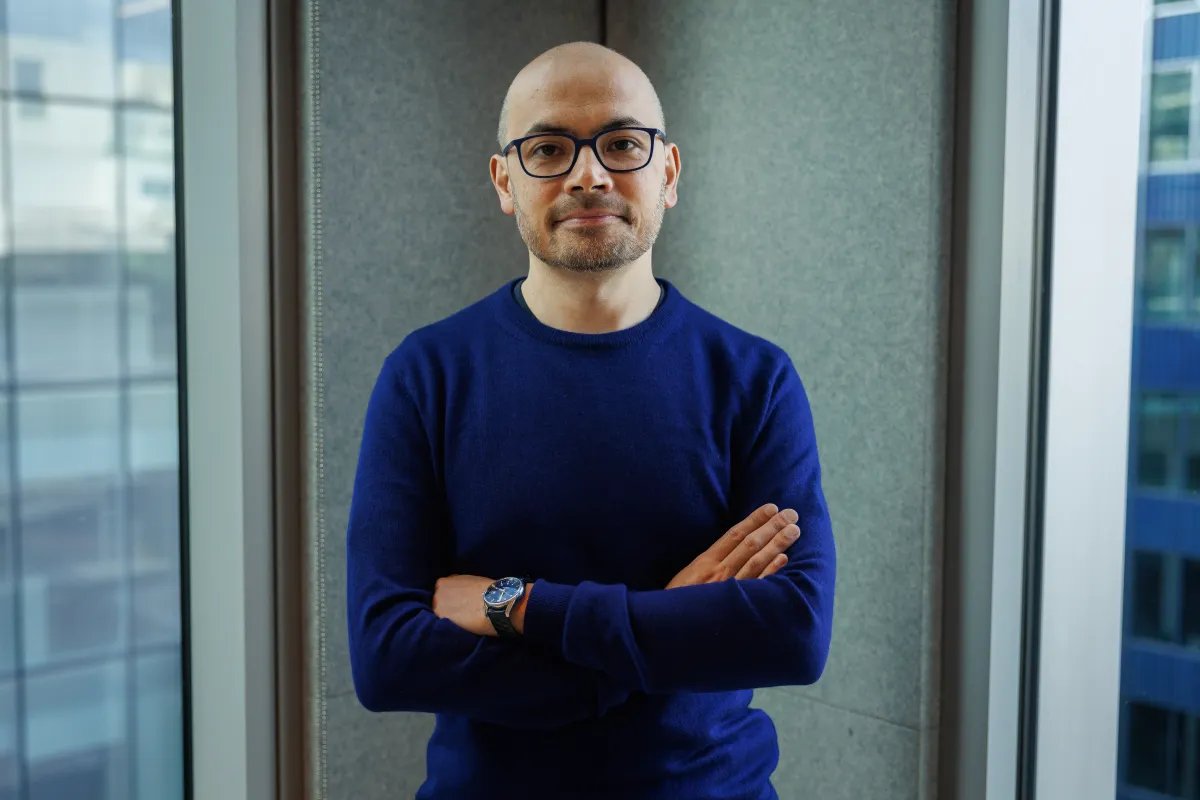
A look at how Demis Hassabis and Google DeepMind shaped early OpenAI anxieties and strategy, via documents and testimony from the Musk–Altman trial.
The Commerce Department’s CAISI says it will conduct pre-deployment evaluations and targeted research with major AI labs to better understand advanced model capabilities.
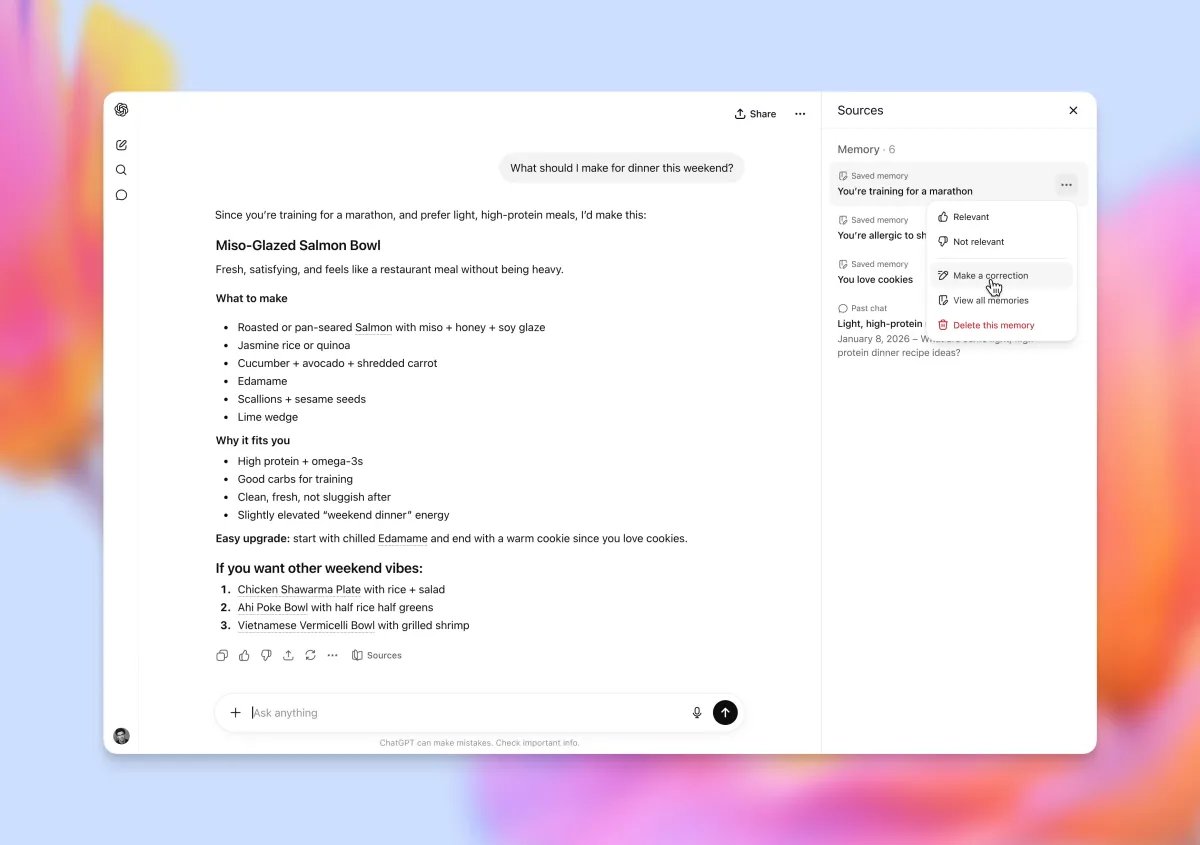
OpenAI says the new default ChatGPT model reduces hallucinations in sensitive domains while keeping low latency, and it’s also available via the API as “chat-latest.”
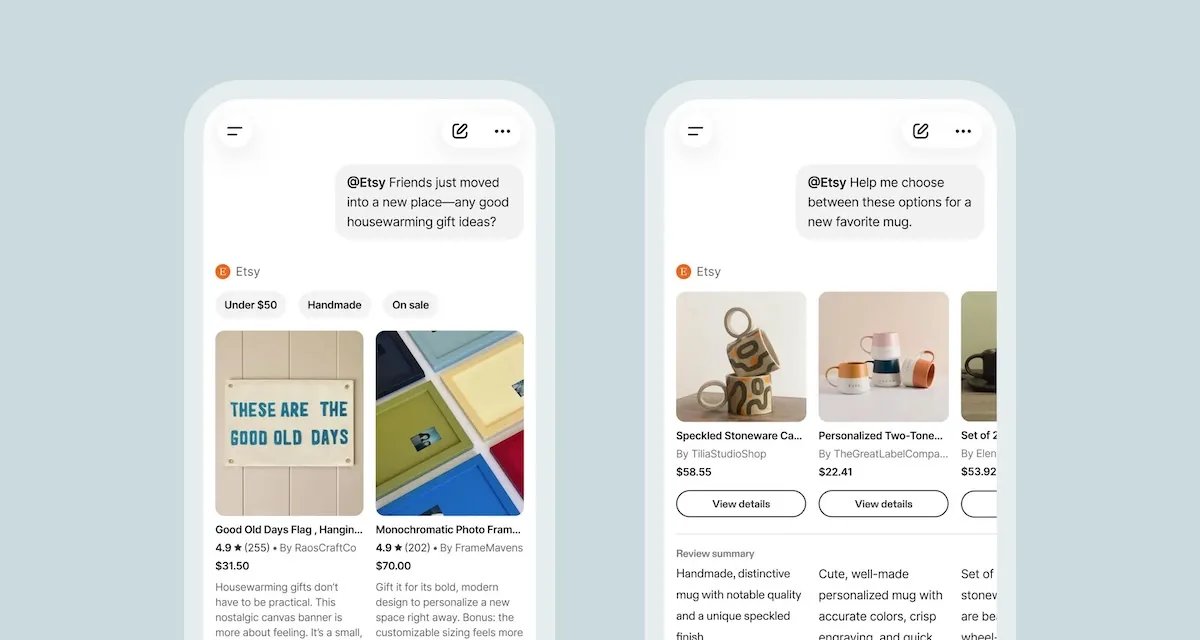
Etsy’s new ChatGPT native app lets users shop conversationally by tagging @Etsy in a prompt to surface product listings and click through to purchase.
Appfigures says image-model launches generate 6.5x more downloads than traditional model upgrades — but the revenue impact varies widely.
Defense Department greenlights several vendors for classified AI work while sidelining Anthropic over supply-chain concerns.
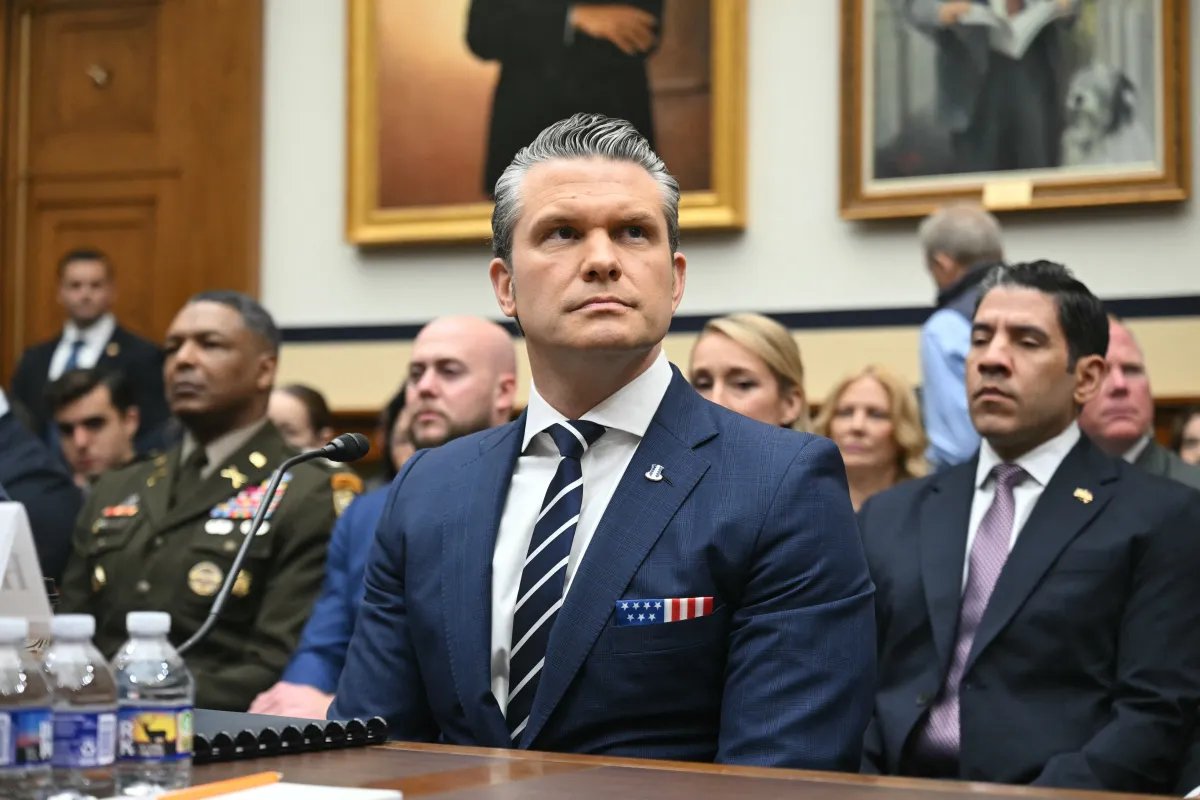
The Defense Department finalized agreements with major AI and cloud players to use their systems in classified settings.
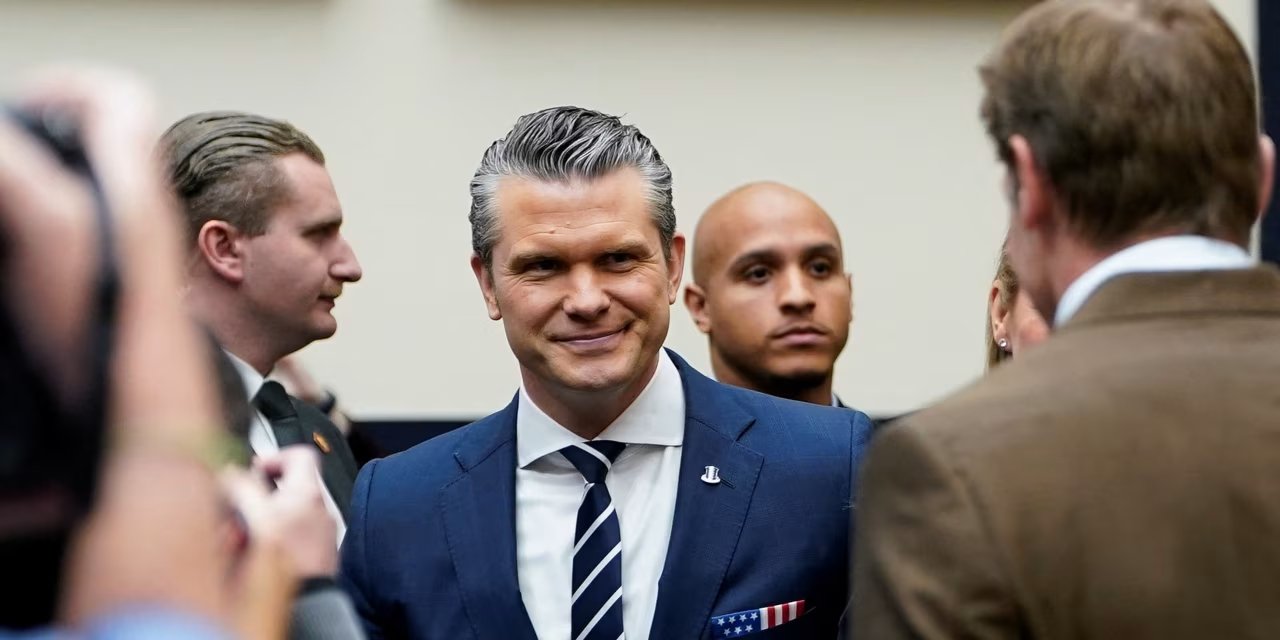
The longtime partnership is becoming less exclusive: OpenAI can ship products on other clouds, while Microsoft’s revenue share now runs to 2030 with caps.
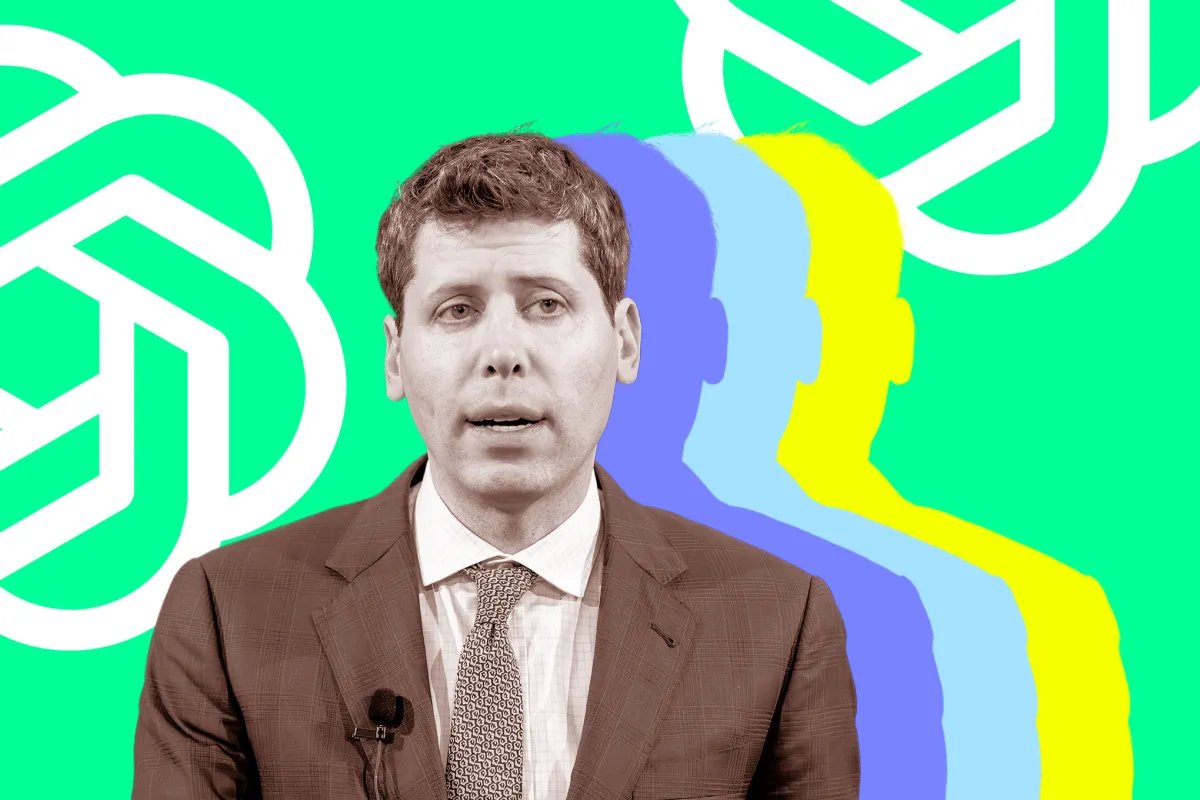
The revised deal drops Microsoft’s exclusive right to sell OpenAI models, while keeping Azure as OpenAI’s primary cloud partner and extending Microsoft’s license on OpenAI IP.
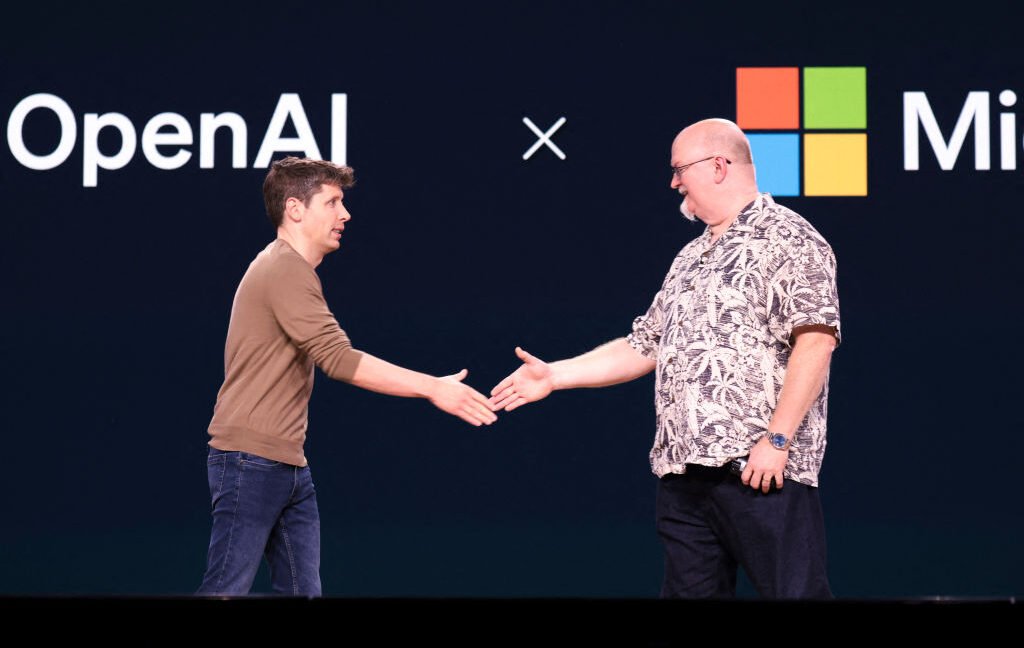
TechCrunch reports the new model is positioned as OpenAI’s most capable yet, with rollout to Plus through Enterprise and a separate 5.5 Pro tier.
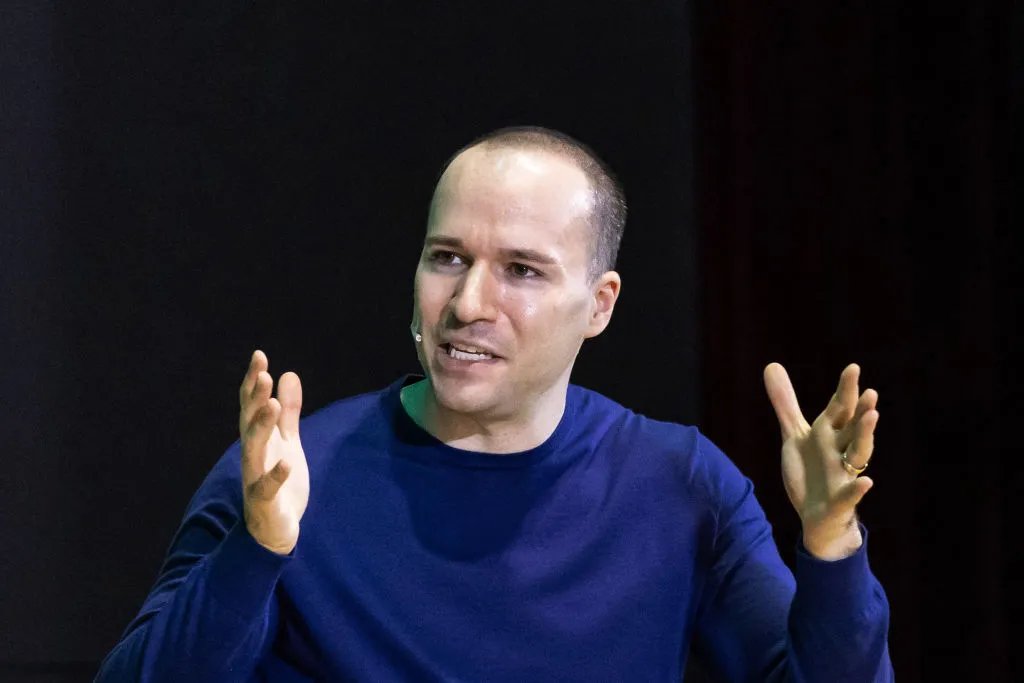
Alphabet will inject $10 billion immediately at a $380 billion valuation, with $30 billion more contingent on Anthropic hitting performance benchmarks.
The Chinese AI lab's V4 Pro model tops 1.6 trillion parameters, claims near-parity with frontier models on reasoning, and costs a fraction of GPT-5.5 or Claude Opus.
The Codex-powered agents run continuously in the cloud, integrate with Slack and Salesforce, and allow organizations to share and schedule automated workflows across teams.
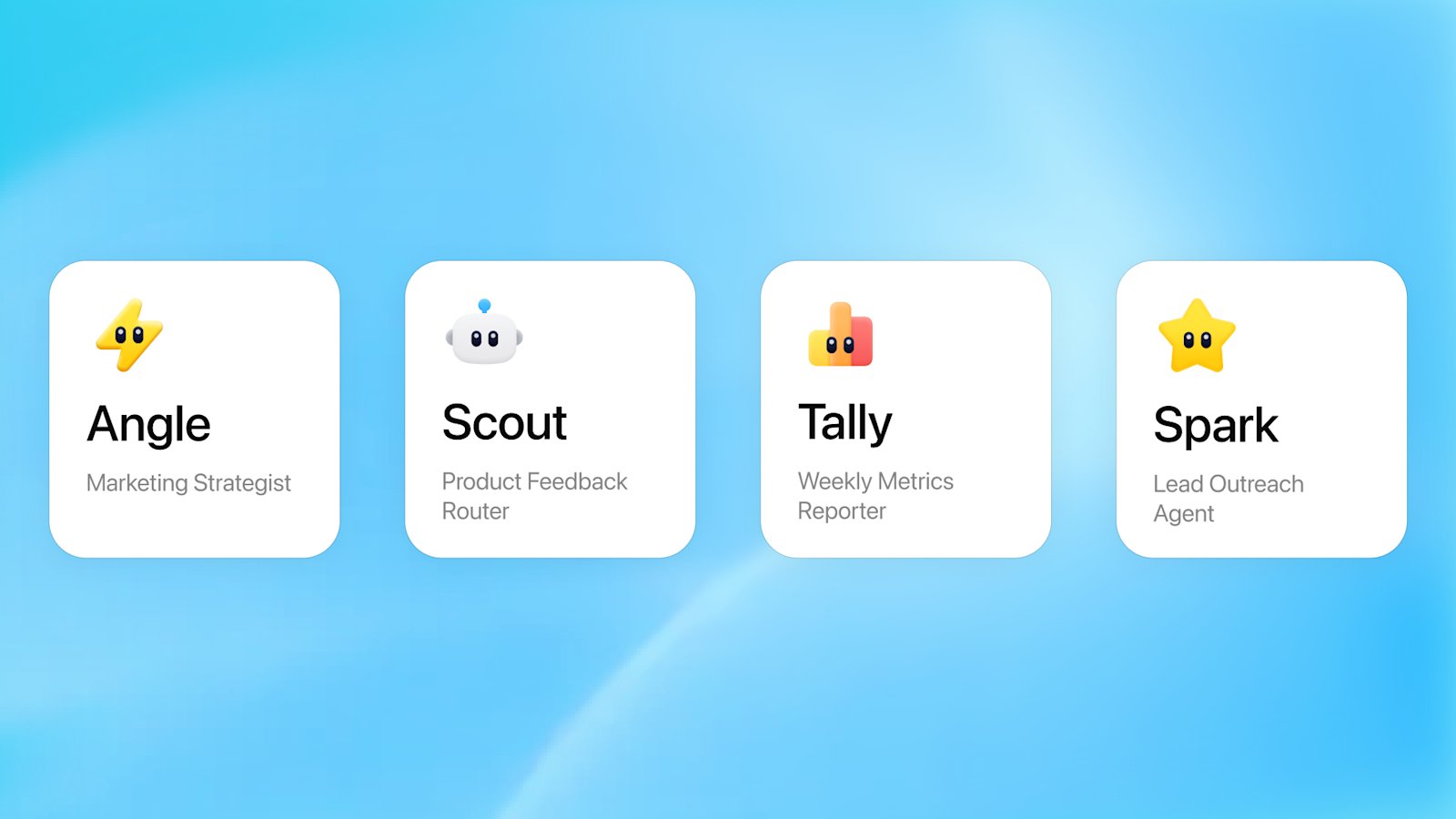
The company held a Washington event for roughly 50 cyber defense practitioners and is extending access to its GPT-5.4-Cyber model through a tiered program designed to keep advanced tools out of adversarial hands.
The new model generates accurate multilingual text, high-fidelity marketing assets, and multi-panel comics — and is available to all ChatGPT users starting Tuesday.

The new model variant imposes fewer restrictions on vulnerability research and analysis than standard GPT models, giving approved security vendors and researchers a more capable tool for defensive cyber operations.
Internal investor documents reveal ChatGPT's early ad pilot crossed $100 million in annualized revenue within six weeks, with projections scaling to $11 billion by 2027 and $53 billion by 2029.

The surge in installs suggests Muse Spark may have revived consumer interest in Meta's AI product, which has lagged well behind ChatGPT, Claude, and Gemini.
Wired's analysis finds the model represents a genuine qualitative leap over Llama 4, but Meta's shift away from open-source by default marks a strategic inflection point worth watching.
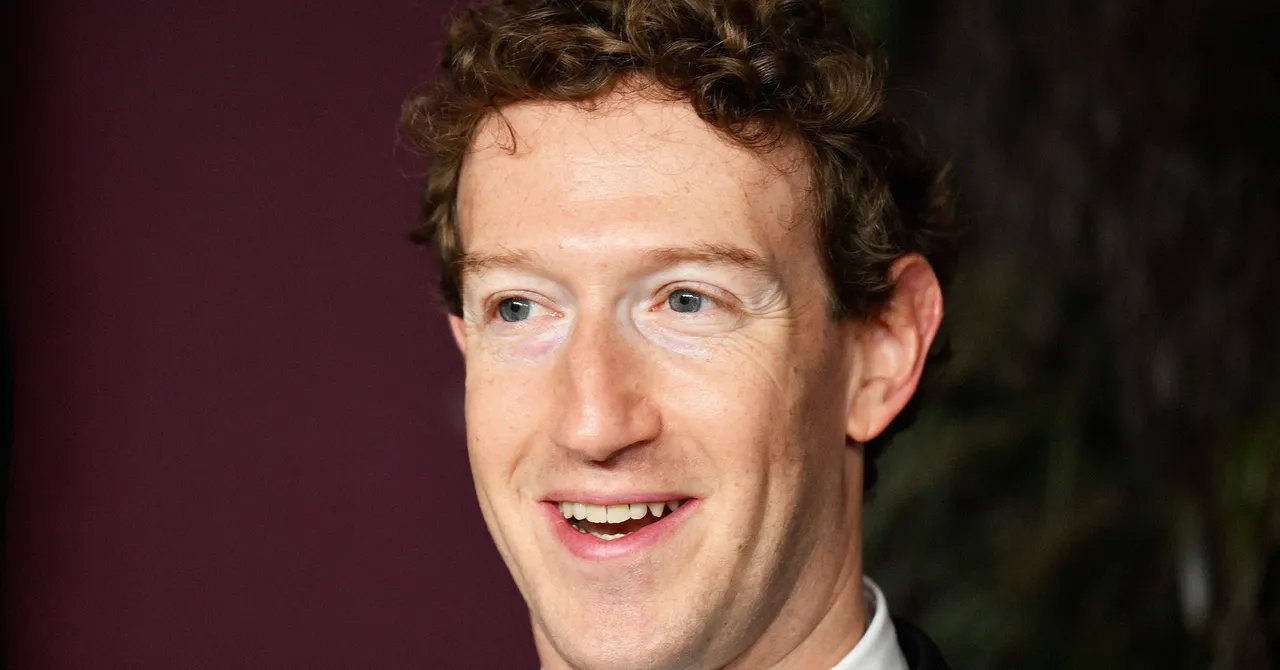
Built from scratch by the team Zuckerberg assembled after being disappointed by Llama 4, Muse Spark benchmarks favorably against models from OpenAI, Anthropic, and Google in early evaluations.
The three competing AI labs are sharing intelligence to detect adversarial distillation — a practice where foreign actors extract proprietary capabilities from frontier models without authorization.
A wave of simultaneous executive changes at OpenAI comes amid a $120 billion funding round and a strategic pivot toward enterprise AI.
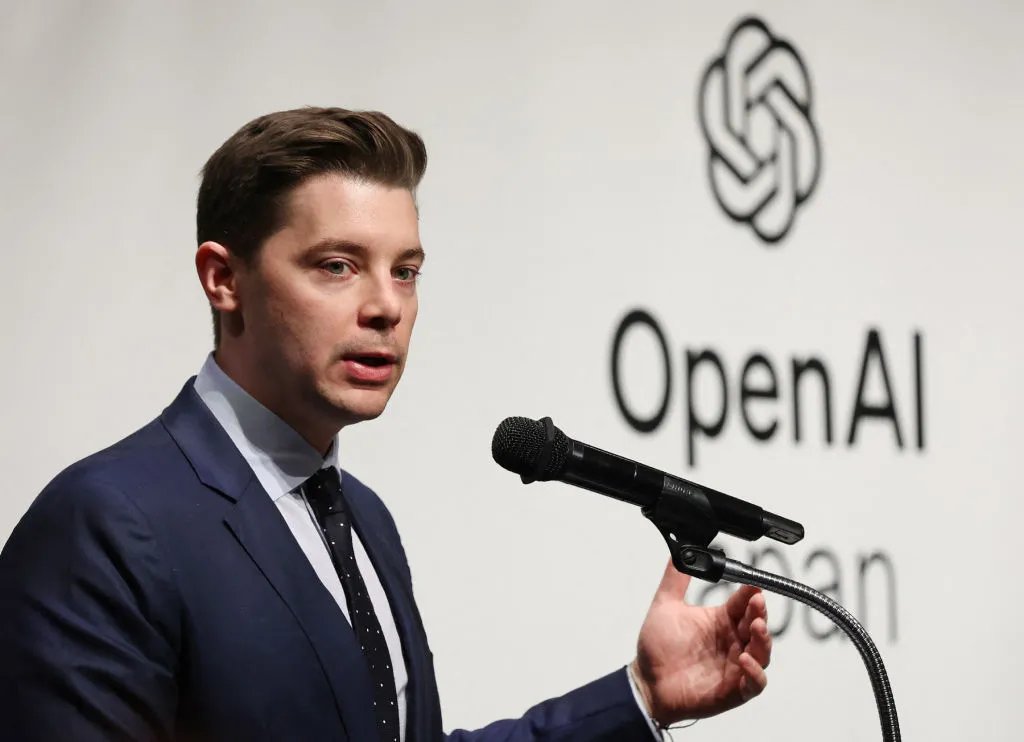
The MAI Superintelligence team's first commercial model releases beat competitors on key benchmarks while undercutting OpenAI and Google on price.
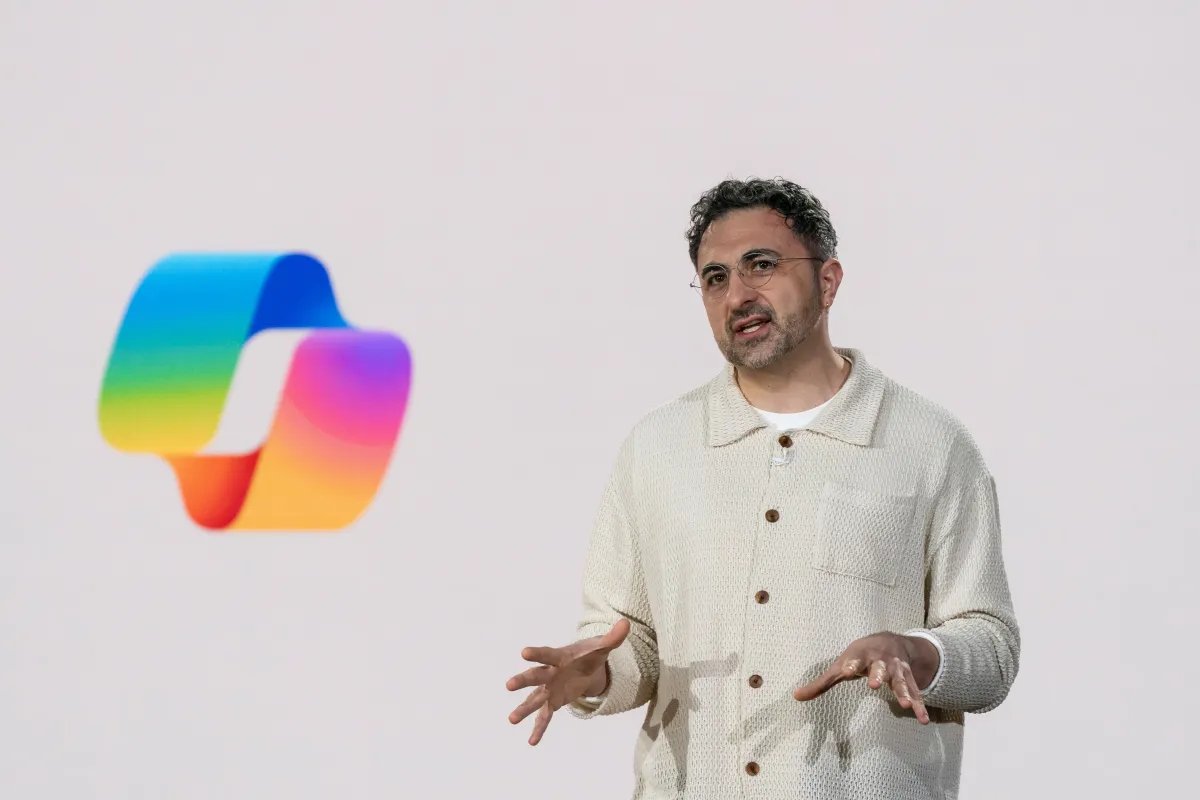
The acquisition accelerates Anthropic's push into life sciences, adding a ten-person team of computational drug discovery veterans to its health division.
Four mega-deals — OpenAI, Anthropic, xAI, and Waymo — accounted for 63% of a quarter that smashed every previous record by a factor of 2.5 over the prior quarter.
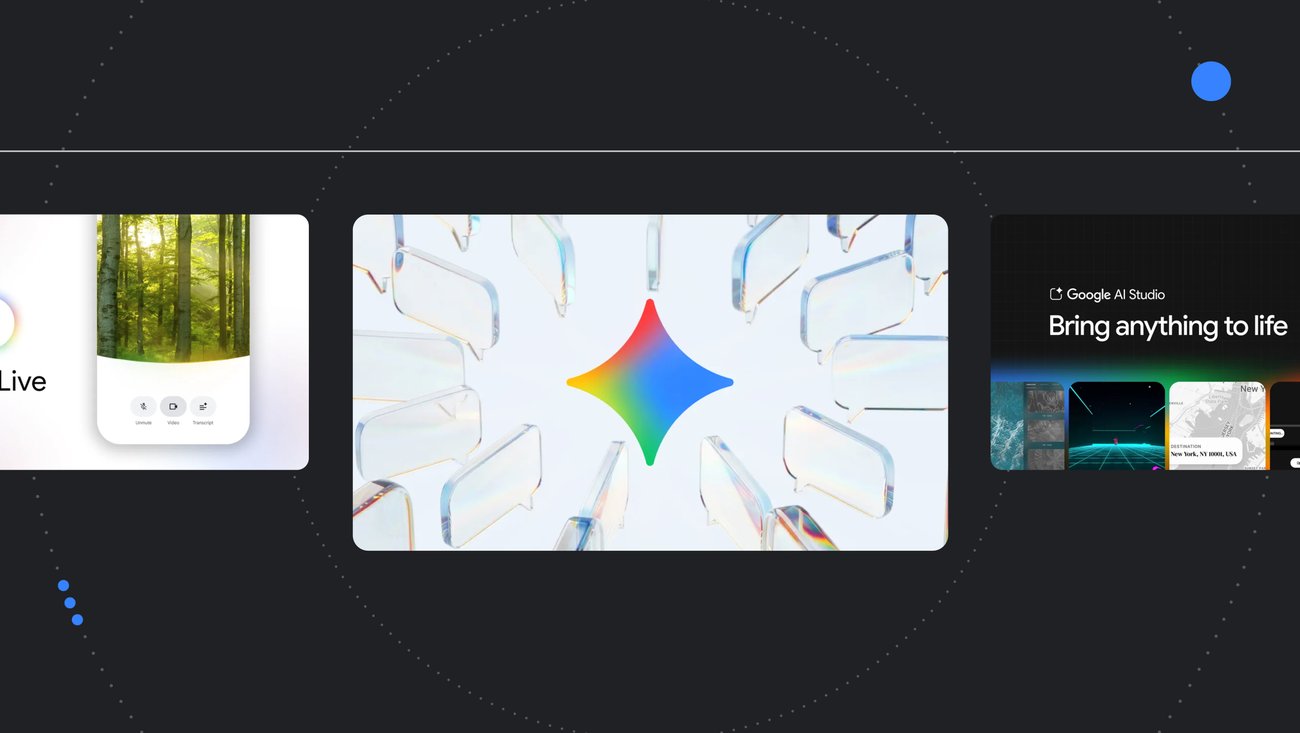
Google's monthly roundup confirms a Gemini platform that is becoming more deeply personalized, more globally accessible, and more competitive with real-time audio rivals like GPT-4o voice.
Oracle employees across the US, India, Canada, and Mexico received termination emails on March 31, as the company redirects billions toward AI cloud infrastructure at the cost of its headcount.

The additional $12 billion raised since February, including $3 billion from individual investors through banking channels for the first time, reads less like venture financing and more like an IPO rehearsal.
Mark Gurman's Power On newsletter reveals Apple is reframing its AI strategy around platform ownership rather than model development, while paying rare bonuses to retain iPhone designers.

Wall Street's willingness to extend a 12-month, unsecured $40 billion loan to SoftBank implies that lenders expect OpenAI to go public before the debt comes due.

Google's monthly Gemini update lets users import chat history from rival AI apps and introduces a new audio model fast enough to sustain real-time conversation in over 200 countries.
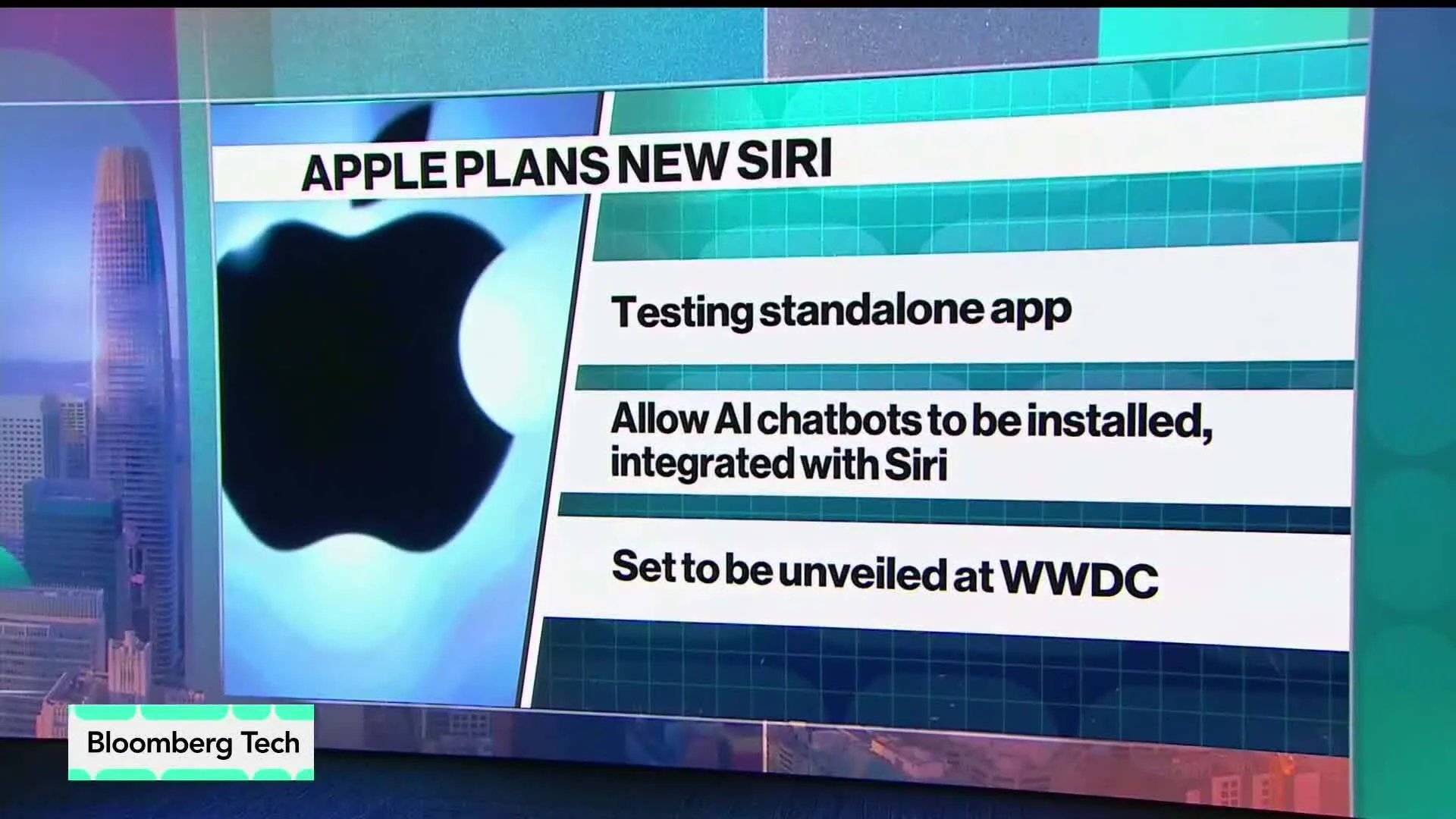
The iPhone maker will let ChatGPT, Gemini, and other third-party models plug directly into Siri, reframing Apple as an AI platform rather than a single-model gatekeeper.
The surprise closure of OpenAI's consumer-facing video generator underscores the unsustainable cost of running generative video at scale while the company prepares for a potential IPO.
After Instant Checkout stumbled due to stale product data and limited merchant adoption, OpenAI is shifting to a model where purchases redirect to retailers' own websites via in-app browsers inside ChatGPT.
Harley Finkelstein told investors that agentic personal shoppers represent a fundamentally merit-based discovery channel that will surface smaller brands to consumers far more effectively than traditional search.
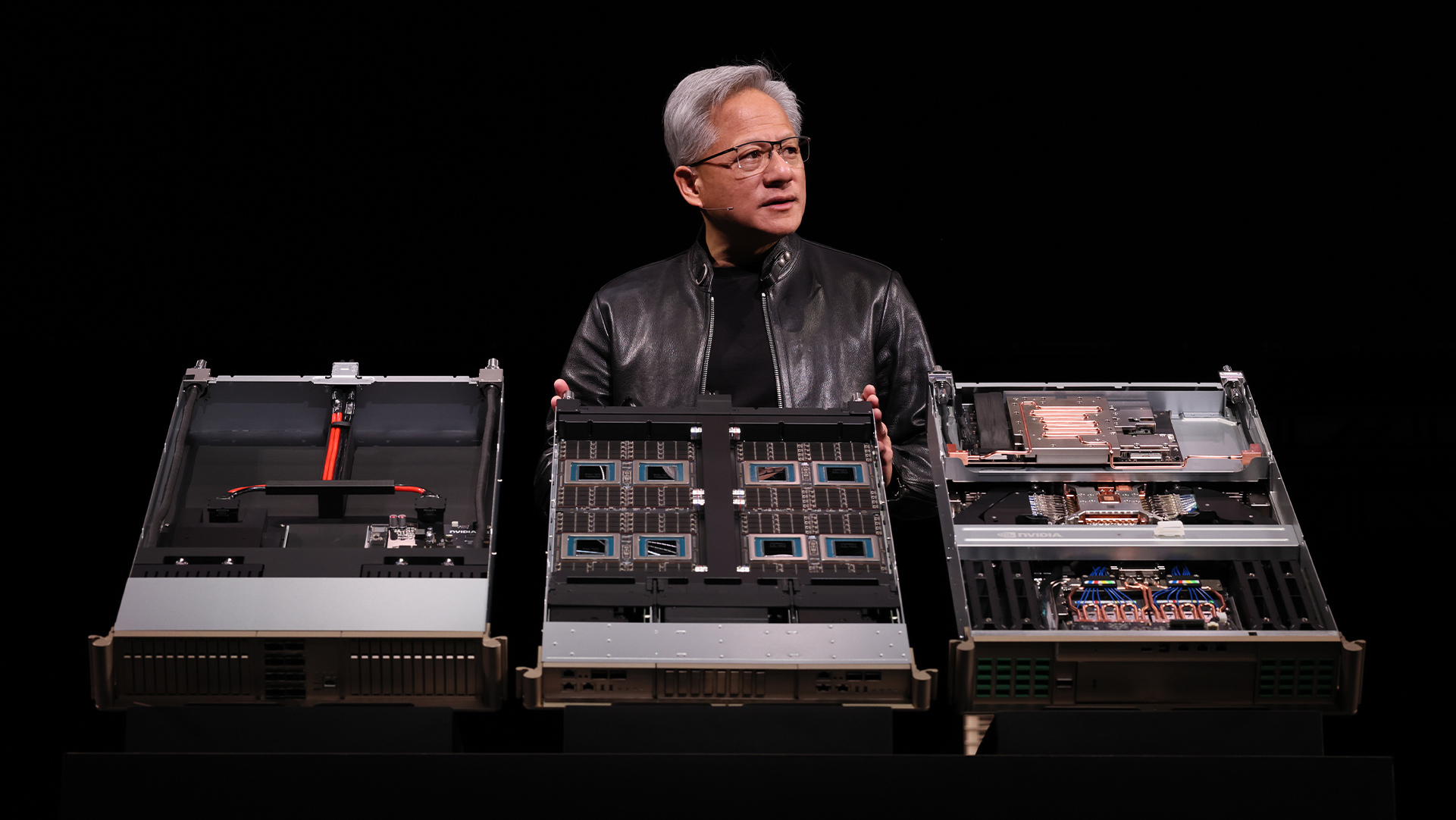
The open-source stack adds policy enforcement, privacy routing, and network guardrails to OpenClaw, which Huang called the most popular open-source project in history and said every company will need a strategy for.
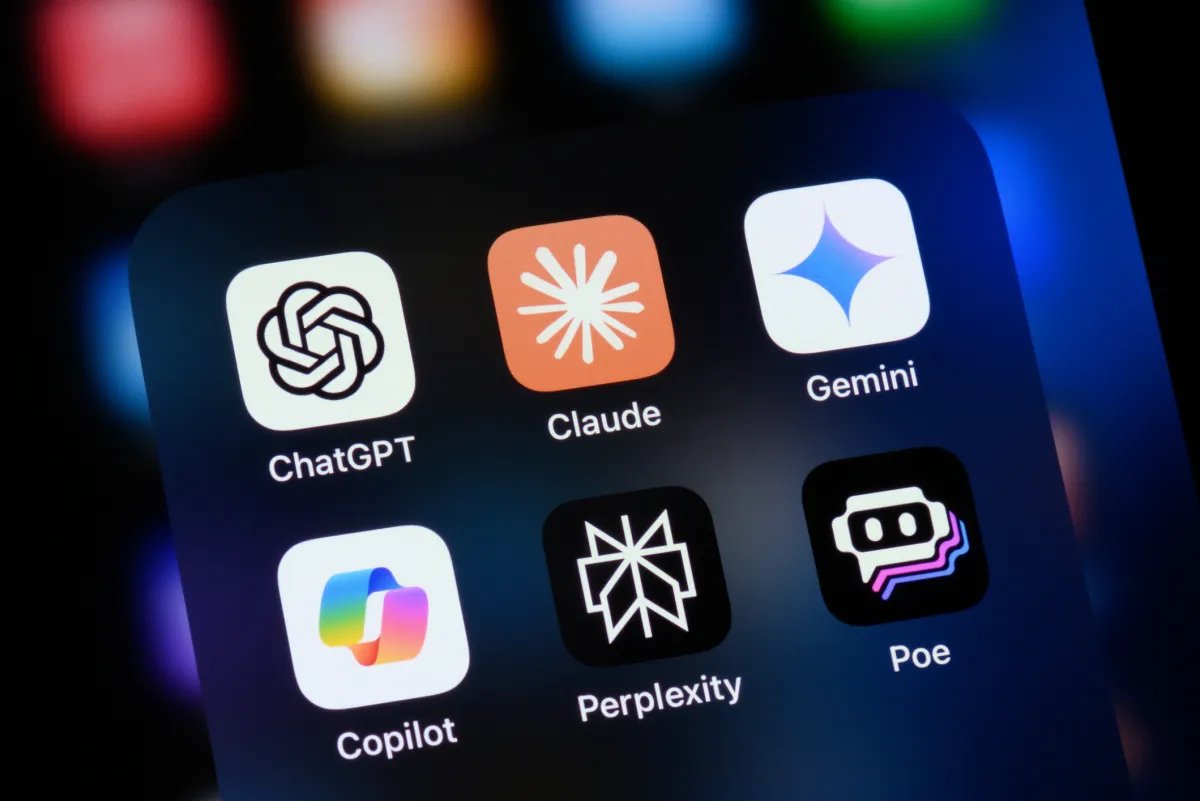
From Anthropic's Pentagon battle to the data center construction boom and hardware price inflation, a roundup of the defining AI narratives through mid-March finds the industry at a pivotal inflection.
The investment bank warns that compute scaling laws are holding firm, and the accumulation of AI infrastructure at US labs is about to produce capability gains that will reshape the economy.
Executives from leading AI labs told attendees that a non-linear capability leap is coming by mid-2026, while a Morgan Stanley survey found AI already caused a 4% average net workforce reduction globally.
The deal brings automated red-teaming and vulnerability detection into OpenAI's Frontier enterprise platform, used by more than a quarter of Fortune 500 companies.
The British AI infrastructure company's $2 billion raise adds Sheryl Sandberg and Nick Clegg to its board, positioning it for a potential 2026 IPO with OpenAI and Microsoft as anchor customers.
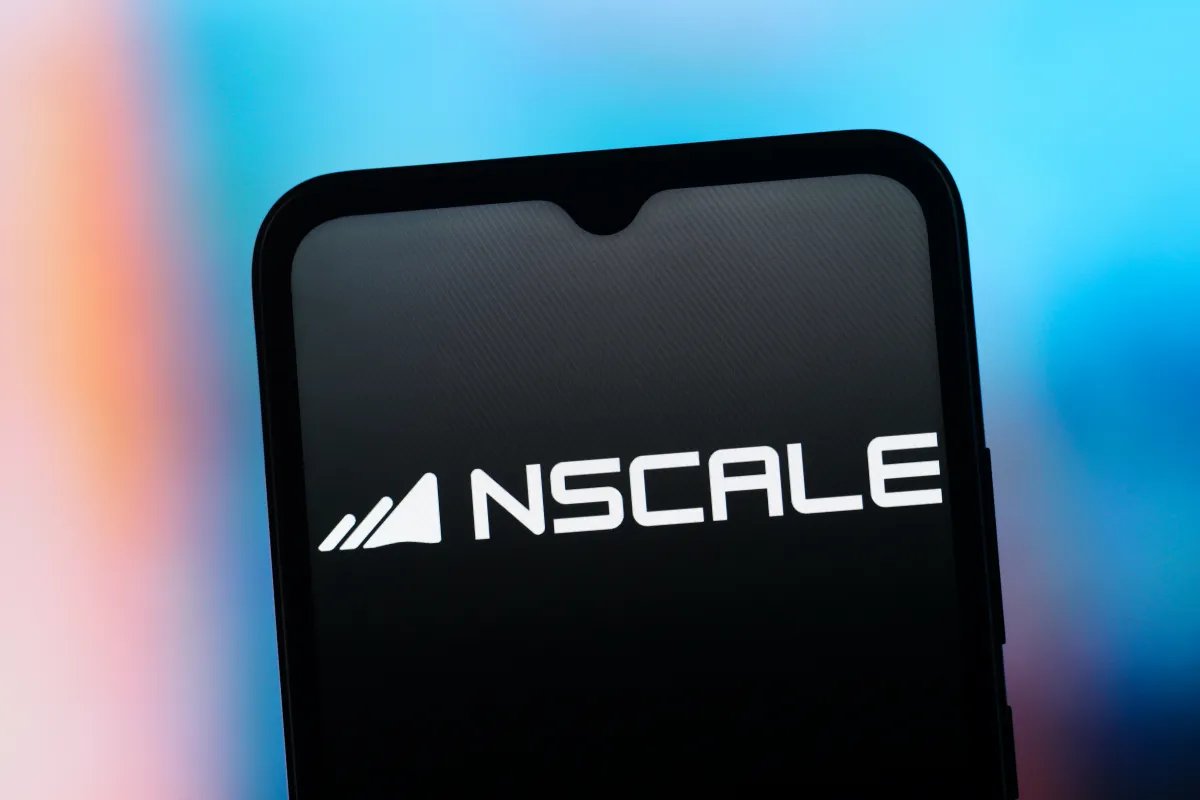
The Register's analysis argues OpenAI's CEO endorsed Anthropic's position in the morning and signed a $200 million DoD contract the same evening — with none of the same protections.

The new flagship model scores 83% on OpenAI's GDPval knowledge-work benchmark, leads on computer-use tests, and cuts errors by a third over GPT-5.2.
The update to ChatGPT's default model targets tone and conversational flow, reducing unsolicited emotional reassurances that frustrated users for months.

After announcing its DoD partnership on Friday, OpenAI revised the agreement to explicitly bar use of its AI for mass surveillance of American citizens.
The AI coding assistant doubled its revenue run rate in three months, with large corporate buyers now accounting for roughly 60 percent of its revenue.

App data showed a dramatic consumer backlash against OpenAI's DoD partnership, with Claude briefly surpassing ChatGPT as the top U.S. App Store download.
A comprehensive analysis of AI infrastructure commitments finds hyperscalers planning nearly $700 billion in 2026 data center spending, with Stargate construction underway in Texas and Oracle locking in $300 billion in compute contracts.

Defense Secretary Pete Hegseth classified Anthropic as a national security supply-chain risk, banning its models from all federal agencies, while OpenAI immediately secured a classified-network deal with the Department of Defense.
OpenAI's record-shattering funding round, led by a $50 billion Amazon commitment, is the largest private financing in history and cements deep infrastructure partnerships running on Amazon's cloud and Nvidia's Vera Rubin chips.
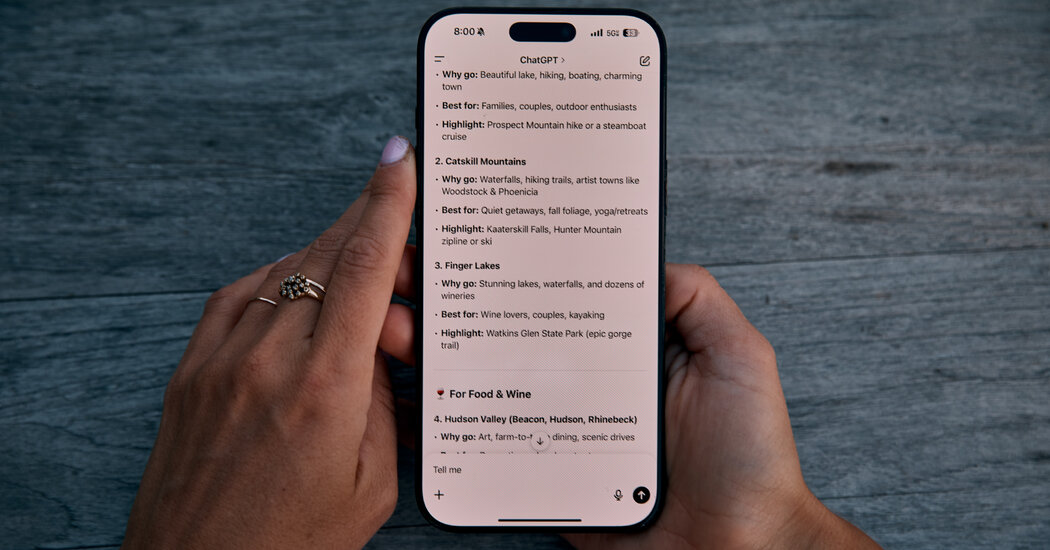
Google's monthly Gemini Drop update confirms the general consumer rollout of Gemini 3.1 Pro alongside a new AI music creation tool and an upgraded fast image model for Gemini app subscribers.
AMD and Meta announced a sweeping chips-for-stock agreement under which Meta will acquire AI chips equivalent to six gigawatts of capacity and gain the option to purchase up to a 10% stake in AMD.