OpenAI Launches Workspace Agents in ChatGPT, Succeeding Custom GPTs for Enterprise Teams
The Codex-powered agents run continuously in the cloud, integrate with Slack and Salesforce, and allow organizations to share and schedule automated workflows across teams.
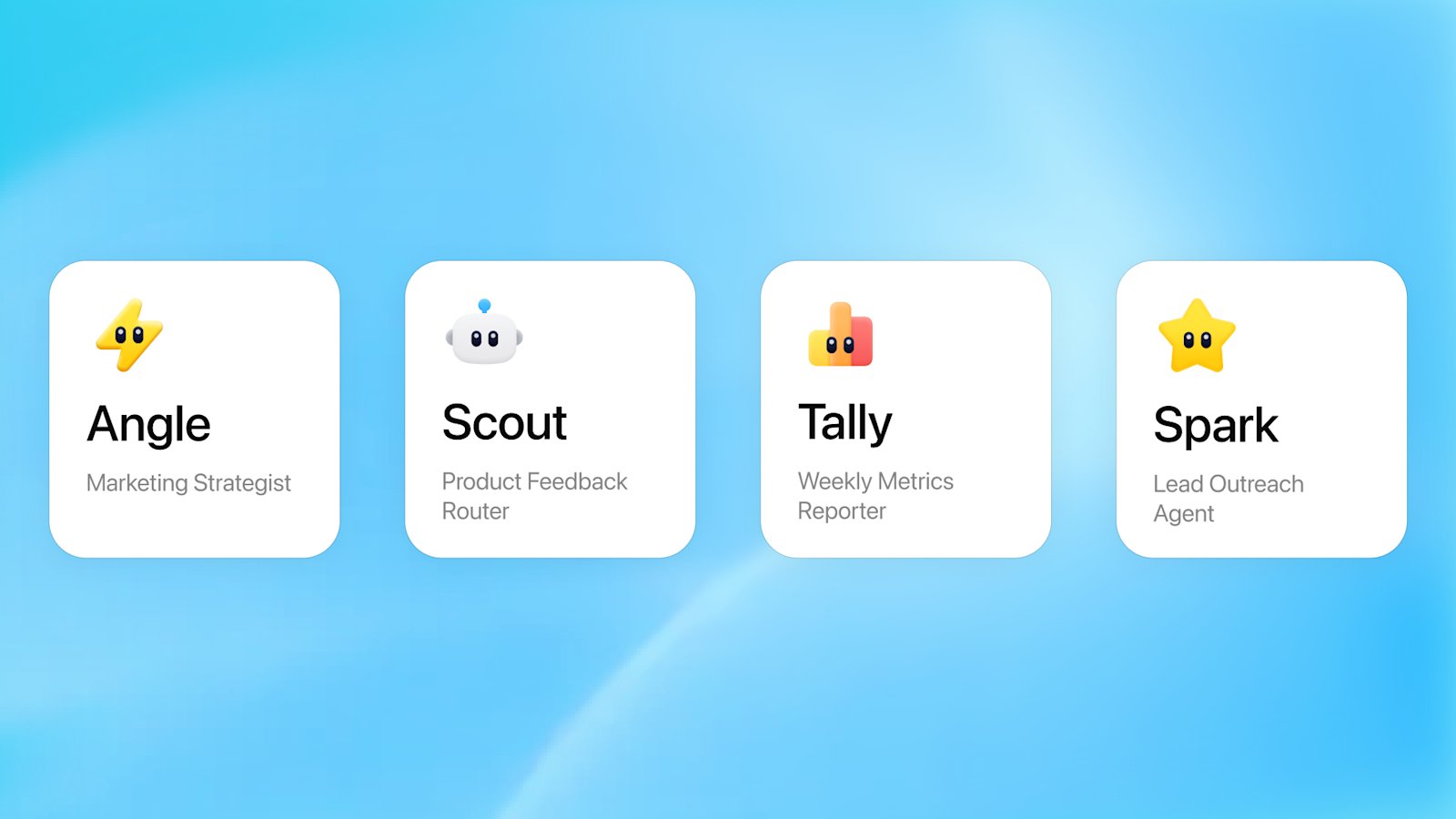
OpenAI on April 22 introduced workspace agents in ChatGPT, a new product category it describes as the evolution of its custom GPTs and the company's most significant step yet toward deploying persistent AI workers inside enterprises. The agents are powered by Codex and run in the cloud, meaning they can continue executing tasks — pulling data, filing tickets, sending messages — even when no human is actively supervising them.
Organizations on ChatGPT's Business, Enterprise, Edu, and Teachers plans can build agents by describing a workflow in plain language, after which the builder configures tools, triggers, and connected apps automatically. Completed agents can be shared across an entire workspace and discovered through a team directory in the ChatGPT sidebar.
Supported integrations at launch include Slack, Google Drive, Microsoft applications, Salesforce, Notion, and Atlassian Rovo.
OpenAI explicitly positioned the product as a retirement notice for custom GPTs within organizational contexts. The company said it will offer a conversion tool to upgrade existing GPTs into workspace agents, though individuals using custom GPTs for personal purposes can continue doing so for the foreseeable future.
For Enterprise customers, agents are disabled by default and require administrator enablement through role-based controls.
Workspace agents are free during a research preview period through May 6, 2026, after which credit-based pricing begins. OpenAI said additional features are coming, including new automated triggers, broader app action support, and integration with the Codex coding assistant.
The launch reflects intensifying competition with Anthropic, Microsoft, and Google, all of which have introduced comparable agentic workflow tools in recent months.
Read the original reporting at OpenAI.