Top AI Companies Agree to Pentagon Deals for Classified Work
The Defense Department finalized agreements with major AI and cloud players to use their systems in classified settings.
Coverage of Microsoft, Copilot, Azure, and CEO Satya Nadella.
32 stories · Updated 2026-05-01
The Wall Street Journal argues that Microsoft, Amazon, Meta, and Alphabet are ramping capital spending for AI fast enough that depreciation is starting to bite, raising pressure to translate AI demand into durable profit.
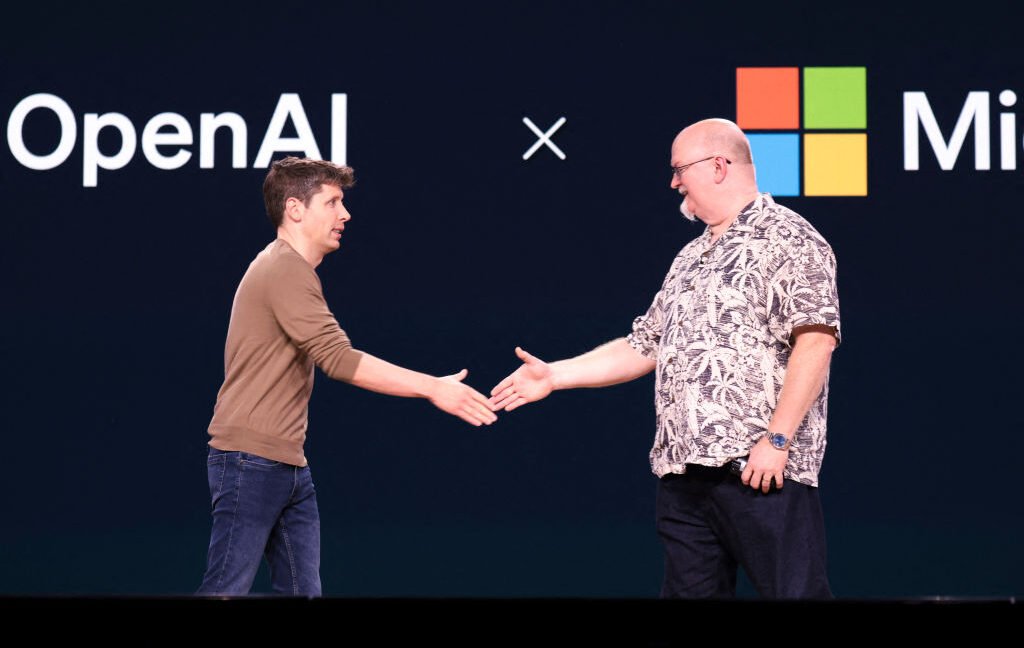
The longtime partnership is becoming less exclusive: OpenAI can ship products on other clouds, while Microsoft’s revenue share now runs to 2030 with caps.
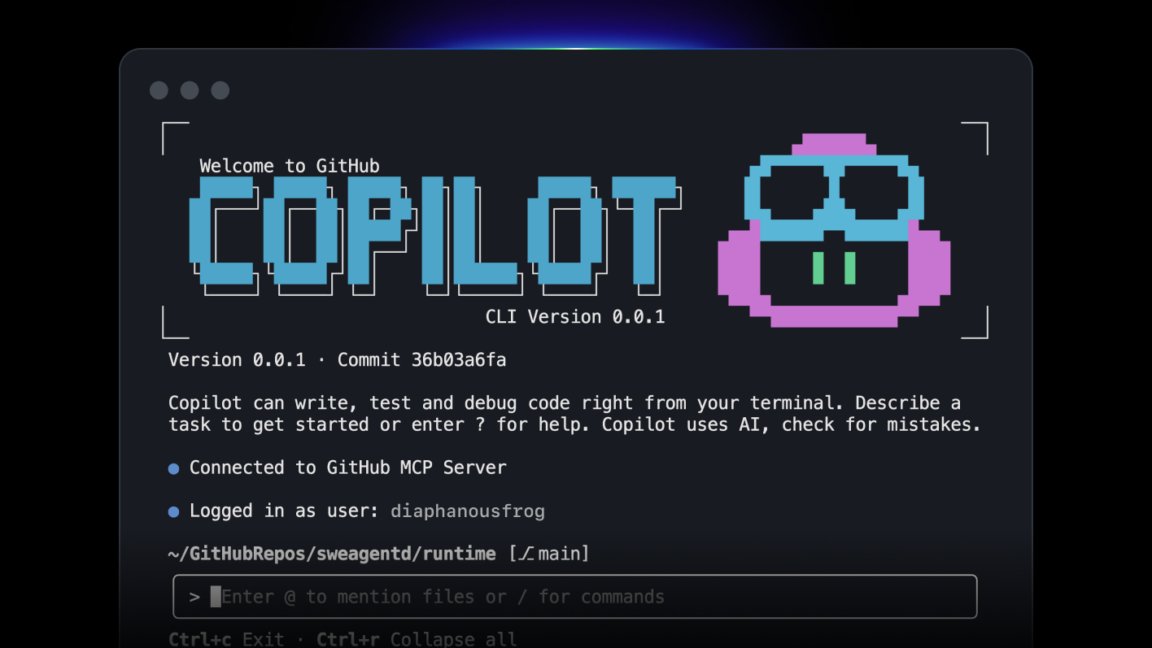
Copilot moves to an AI-credits model that bills heavy users for inference beyond their plan’s included allocation.
A WSJ column argues companies are reallocating budgets from headcount to chips and data centers, with layoffs spreading beyond a few giants.
The revised deal drops Microsoft’s exclusive right to sell OpenAI models, while keeping Azure as OpenAI’s primary cloud partner and extending Microsoft’s license on OpenAI IP.
The layoffs, effective May 20, will eliminate roughly 10% of Meta's global headcount alongside 6,000 open roles, as the company funnels billions into AI infrastructure.
With four of the largest tech companies planning to spend nearly $700 billion on AI this year, economists are questioning whether the jobs being eliminated will ever return at the same scale.
Workers whose combined age and years of service at Microsoft total 70 or more are eligible for the early retirement package, which covers up to 7% of the company's domestic workforce.
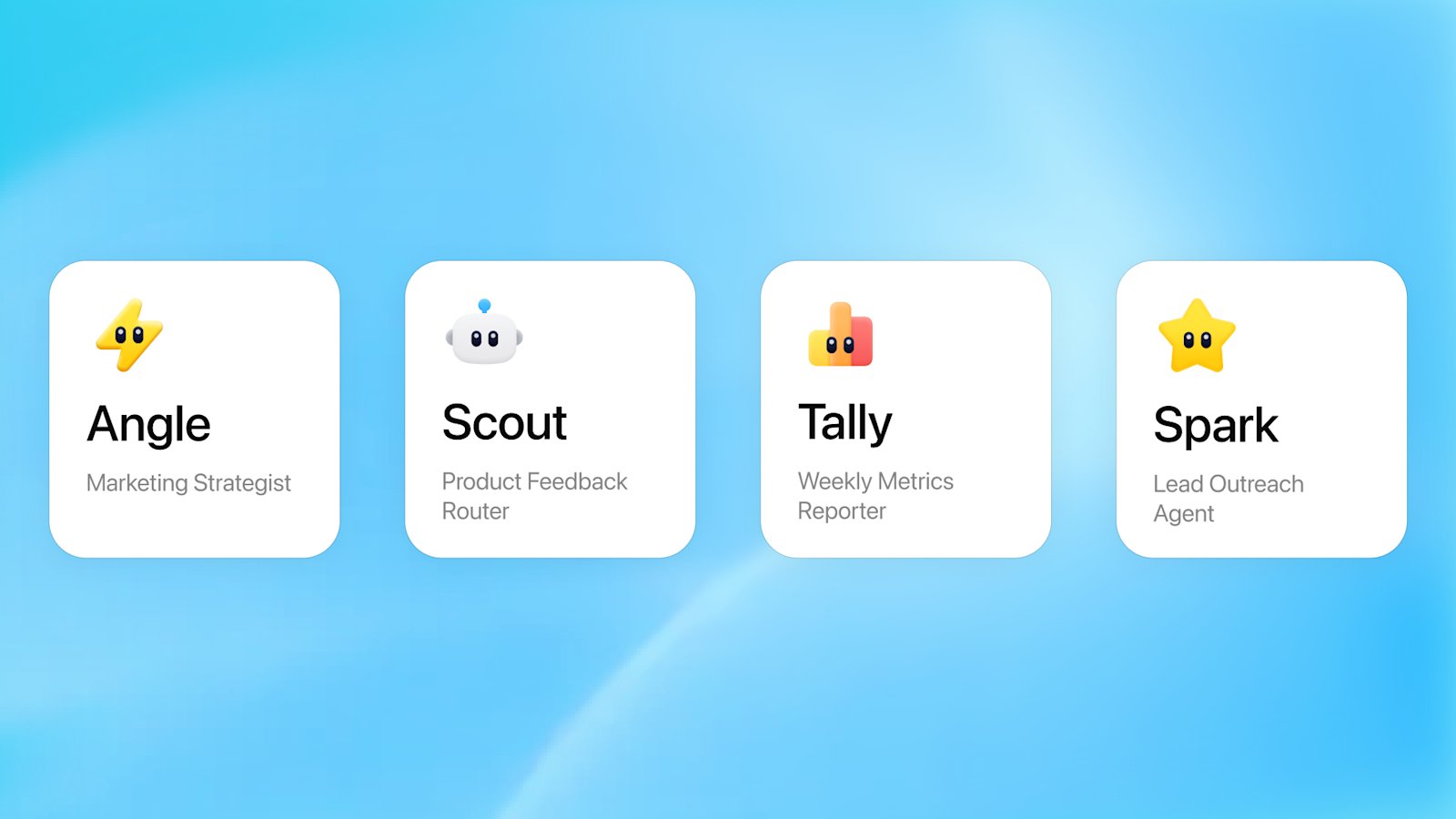
The Codex-powered agents run continuously in the cloud, integrate with Slack and Salesforce, and allow organizations to share and schedule automated workflows across teams.
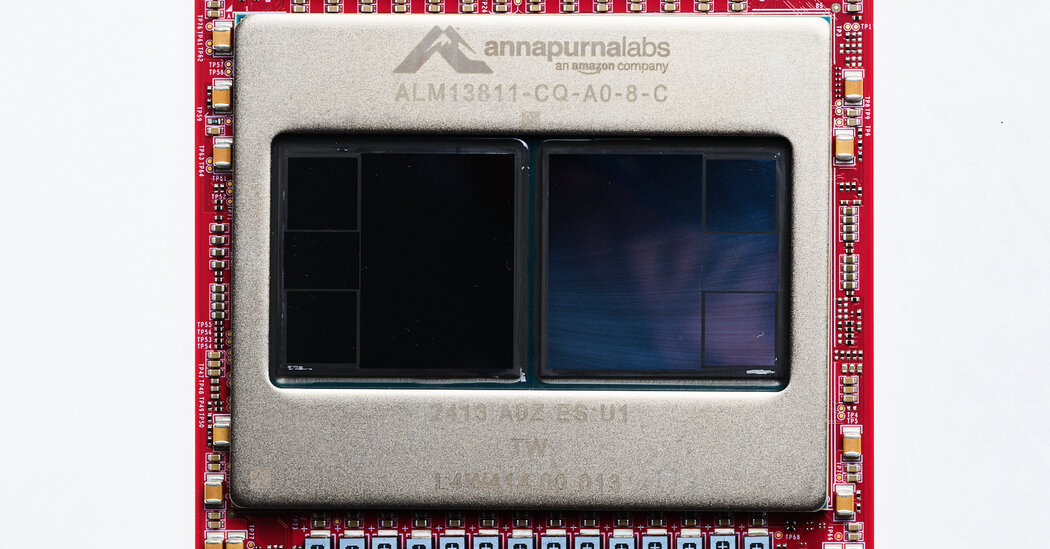
The sweeping new deal with Amazon, which builds on $8 billion in prior investment, turns Anthropic into one of Amazon's most significant cloud and chip customers alongside its role as a portfolio company.
The deal includes a $5 billion upfront commitment plus $20 billion tied to milestones, and requires Anthropic to spend $100 billion on AWS over the next decade.
Federal regulators and senior officials, including Federal Reserve Chair Jerome Powell, privately cautioned bank CEOs about the potential dangers of Anthropic's restricted frontier model, as JPMorgan and Morgan Stanley were permitted to test it for defensive security purposes.
The restricted AI model can autonomously find critical vulnerabilities across major operating systems and browsers — and Anthropic is keeping it locked away from the public for safety reasons.
The three competing AI labs are sharing intelligence to detect adversarial distillation — a practice where foreign actors extract proprietary capabilities from frontier models without authorization.
The Nvidia manufacturing partner's quarterly results signal that hyperscaler appetite for AI compute hardware remains robust despite geopolitical headwinds.
The MAI Superintelligence team's first commercial model releases beat competitors on key benchmarks while undercutting OpenAI and Google on price.
The three tech giants are committing to gigawatts of gas generation capacity to feed insatiable AI energy demand, raising questions about long-term resource and climate exposure.
Oracle employees across the US, India, Canada, and Mexico received termination emails on March 31, as the company redirects billions toward AI cloud infrastructure at the cost of its headcount.
The additional $12 billion raised since February, including $3 billion from individual investors through banking channels for the first time, reads less like venture financing and more like an IPO rehearsal.
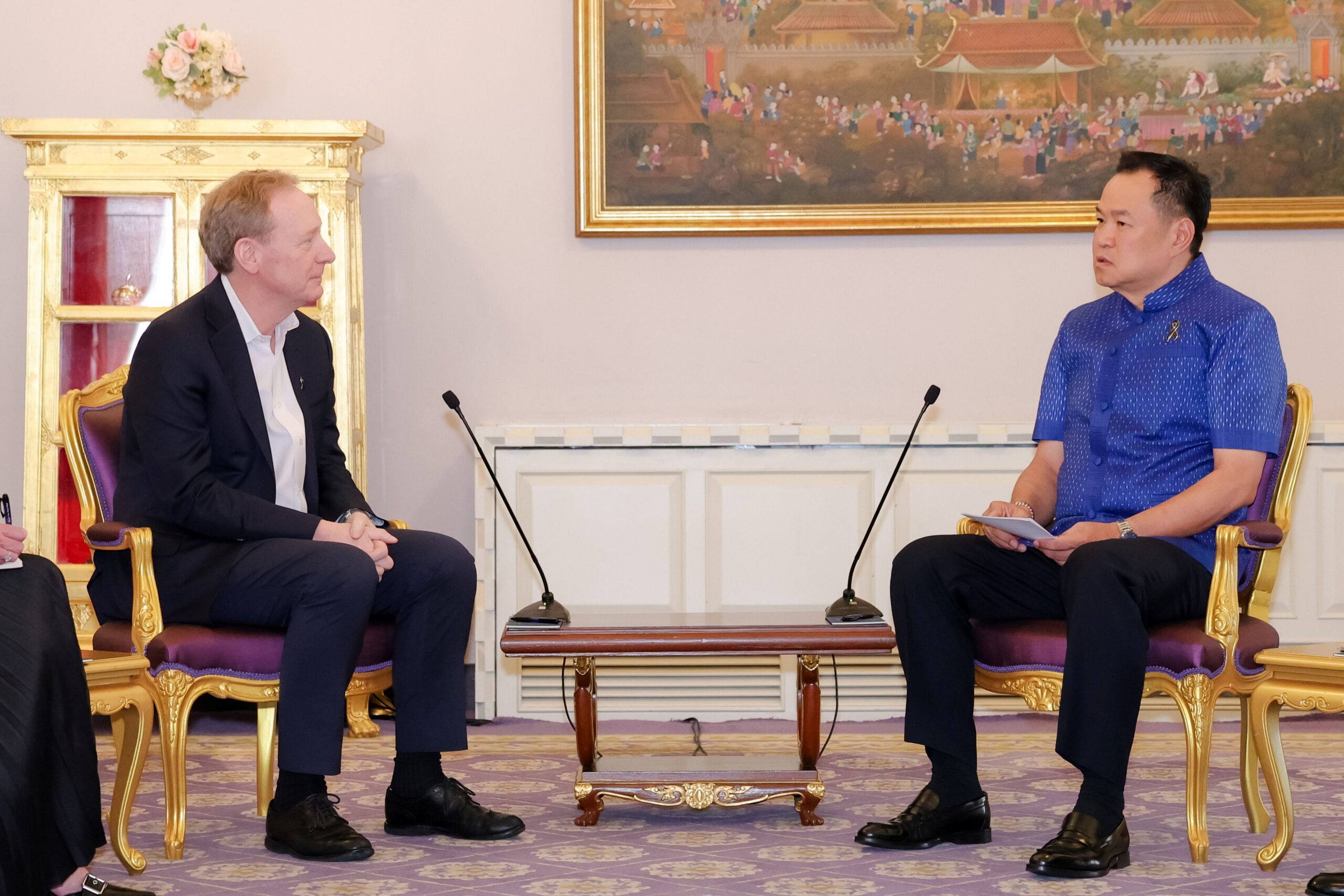
The investment, announced following a meeting between Brad Smith and Thailand's prime minister, combines cloud infrastructure construction with programs to upskill 150,000 Thai workers.
The Chinese tech giant's new agentic business tool, currently in invitation-only testing, can autonomously handle document editing, meeting transcriptions, and research tasks across a unified interface.
From Anthropic's Pentagon battle to the data center construction boom and hardware price inflation, a roundup of the defining AI narratives through mid-March finds the industry at a pivotal inflection.
As AI attribution becomes a common rationale for restructurings at once-high-growth software companies, analysts are debating whether the cuts reflect genuine automation gains or financial pressures wearing an AI label.
The social media giant's accelerated silicon roadmap targets both ranking and generative AI inference, with all four chip generations deploying within two years at a pace far faster than industry norms.
Silicon Valley is watching closely as the first-ever supply-chain risk designation against a US domestic company tests whether the executive branch can penalize firms for their AI safety positions.
The British AI infrastructure company's $2 billion raise adds Sheryl Sandberg and Nick Clegg to its board, positioning it for a potential 2026 IPO with OpenAI and Microsoft as anchor customers.
The Claude maker filed two federal complaints challenging the DOD's unprecedented blacklisting of an American AI company, citing First Amendment violations.
The job reductions will affect divisions across the company and may begin this month, with some cuts targeting roles Oracle expects AI to make redundant.
A comprehensive analysis of AI infrastructure commitments finds hyperscalers planning nearly $700 billion in 2026 data center spending, with Stargate construction underway in Texas and Oracle locking in $300 billion in compute contracts.
OpenAI's record-shattering funding round, led by a $50 billion Amazon commitment, is the largest private financing in history and cements deep infrastructure partnerships running on Amazon's cloud and Nvidia's Vera Rubin chips.
Nvidia's fiscal fourth quarter delivered its most profitable period ever, surpassing the quarterly earnings of Apple, Microsoft, and Alphabet, with data center revenue surging 75% year-over-year to $62.3 billion.