Microsoft Offers Voluntary Buyouts to 8,750 U.S. Employees, a First in Its 51-Year History
Workers whose combined age and years of service at Microsoft total 70 or more are eligible for the early retirement package, which covers up to 7% of the company's domestic workforce.
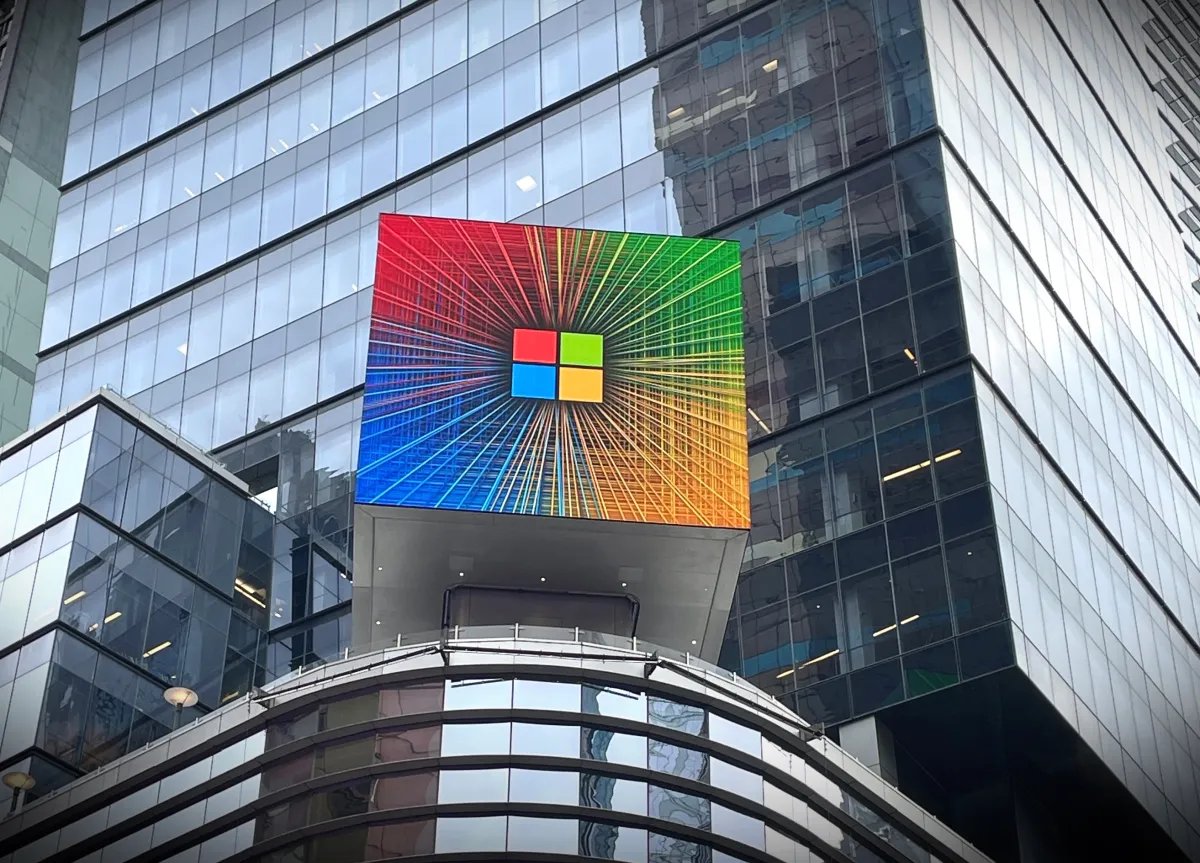
Microsoft announced on April 23 that it is offering voluntary retirement buyouts to eligible U.S. employees for the first time in the company's 51-year history. The offer targets workers whose age plus years of service at the company equals 70 or more, with some exceptions related to role type.
The program applies to senior director positions and below and excludes employees on sales-incentive compensation plans.
Approximately 7% of Microsoft's roughly 125,000 U.S. employees meet the eligibility criteria, a pool of about 8,750 people. Microsoft's chief people officer, Amy Coleman, detailed the program in an internal memo.
The buyouts are expected to be offered in early May. The company declined to specify the financial terms of individual packages.
The announcement arrived on the same evening that Meta revealed plans to cut 8,000 employees, creating a single-day confluence of more than 20,000 potential job reductions across two of the largest technology companies. Microsoft has executed several previous rounds of job cuts, including roughly 9,000 positions eliminated last summer, but has used layoffs rather than retirement incentives as its primary workforce reduction tool.
Microsoft, like Meta, is investing at a pace unprecedented in its history in artificial intelligence infrastructure. The company has committed to spending hundreds of billions of dollars on AI compute capacity in 2026 and is simultaneously betting that AI tools will allow a leaner workforce to sustain or accelerate productivity.
Analysts have noted that offering buyouts rather than mandated layoffs provides reputational benefits and may reduce severance litigation risk, but achieves a similar financial outcome in terms of headcount reduction.
Read the original reporting at TechCrunch.