
AI
U.S. bank discloses security lapse after sharing customer data with AI app
Community Bank said an unauthorized AI app led to exposure of customers’ personal data, prompting disclosure after it detected the issue.
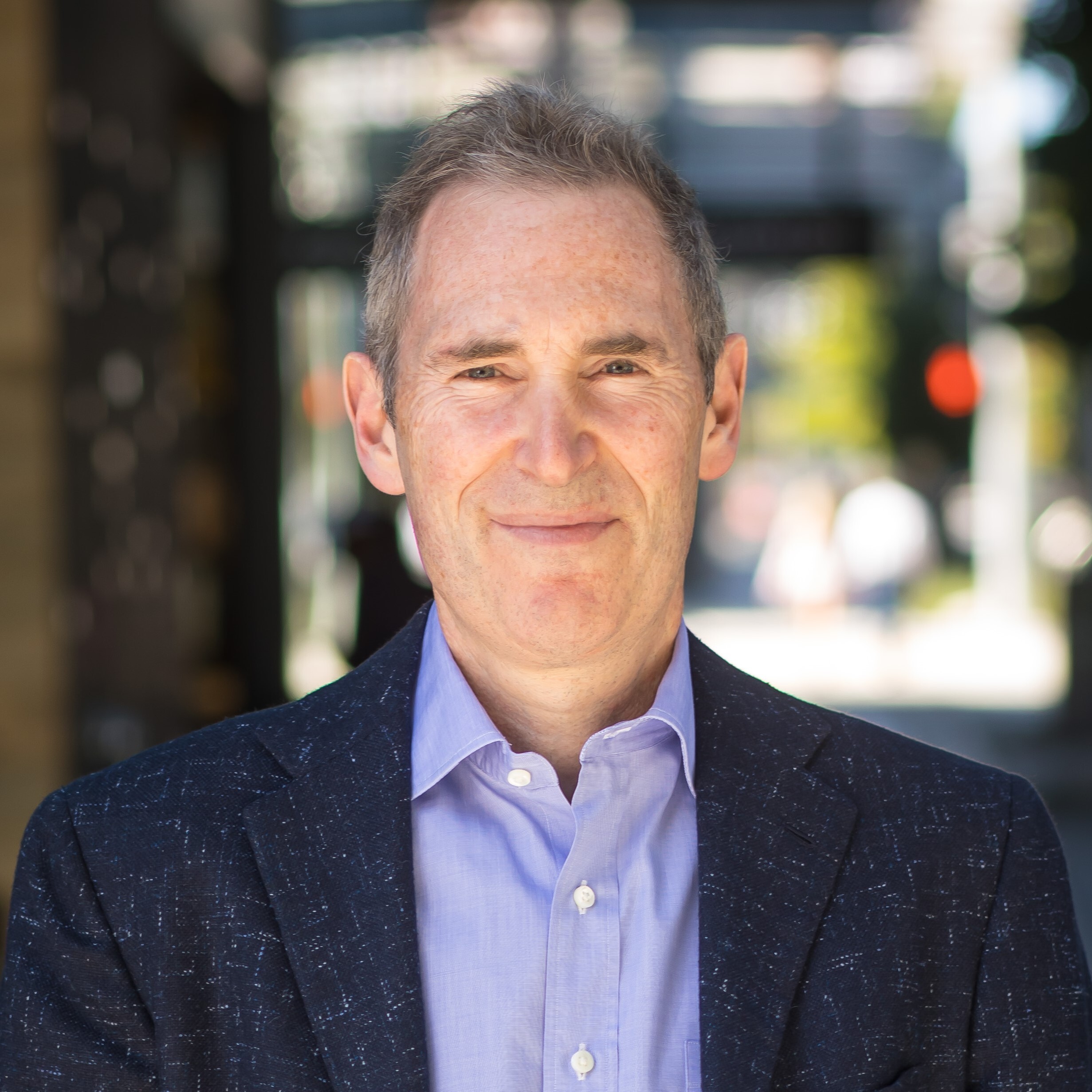
Coverage of Amazon, AWS, and CEO Andy Jassy.
29 stories · Updated 2026-05-12
Microsoft’s Security Blog describes MDASH, a harness orchestrating 100+ AI agents across multiple models to discover and prove exploitable bugs.

The Defense Department finalized agreements with major AI and cloud players to use their systems in classified settings.
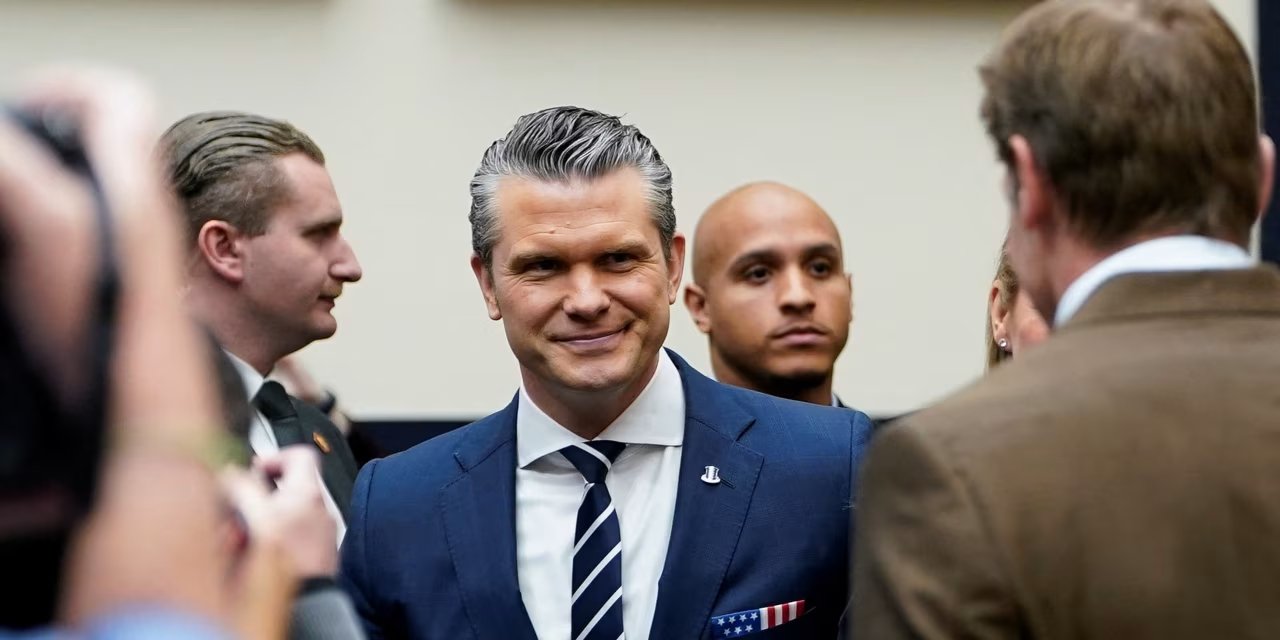
The Wall Street Journal argues that Microsoft, Amazon, Meta, and Alphabet are ramping capital spending for AI fast enough that depreciation is starting to bite, raising pressure to translate AI demand into durable profit.
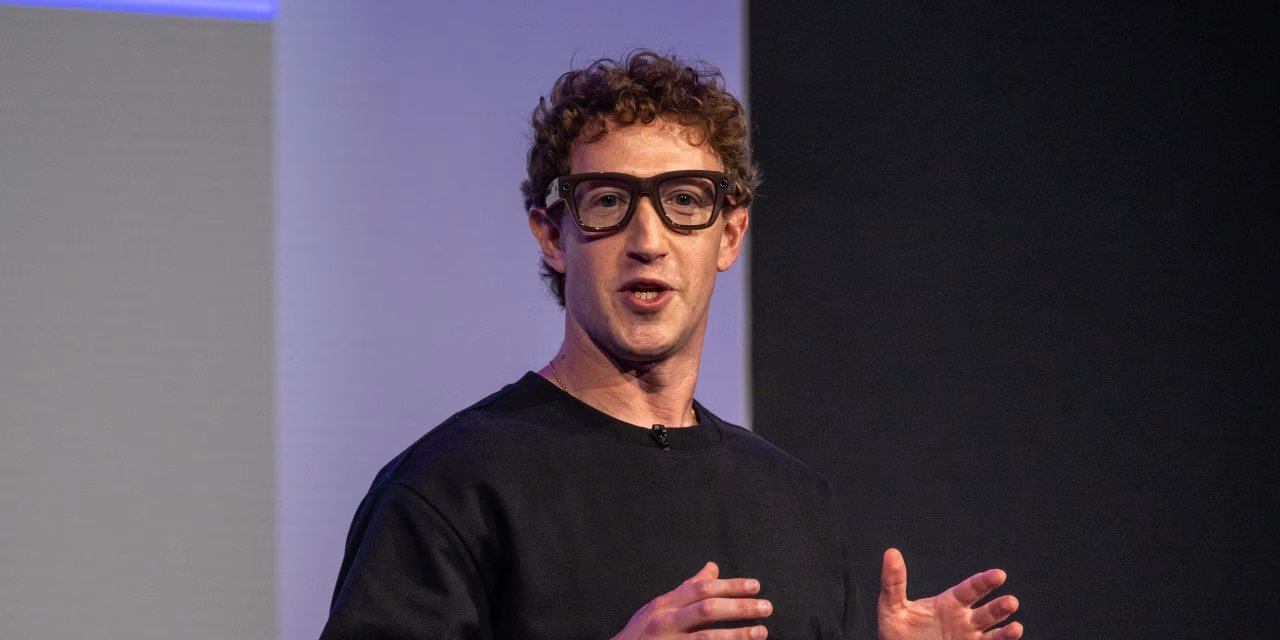
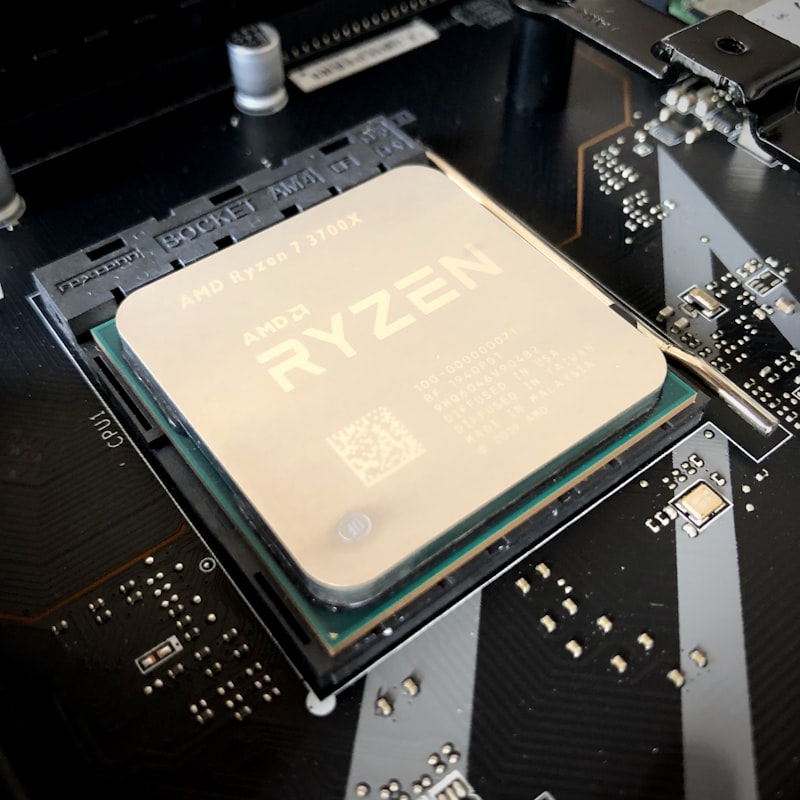
The agreement highlights a growing shift toward CPUs and custom silicon for running AI agents after models are trained.
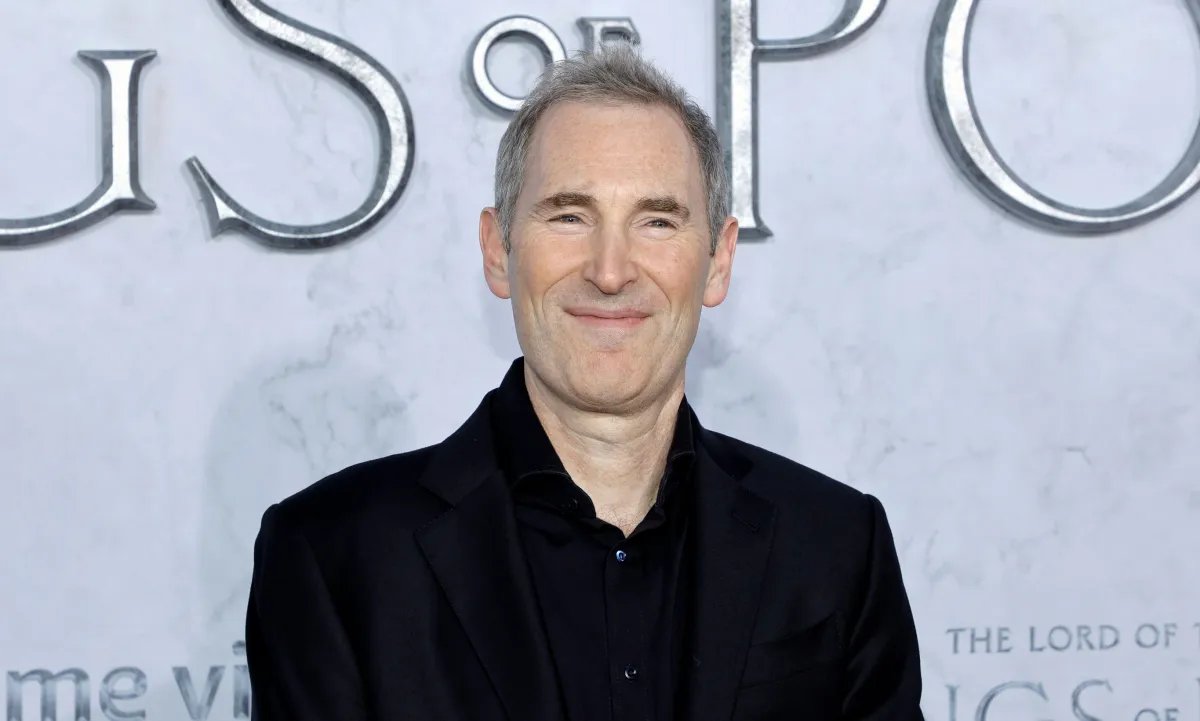
CoreWeave surged 42% in April and Nebius drew a new Citi target, yet McKinsey and industry veterans caution that the bare-metal AI cloud model carries outsized risk.
Alphabet will inject $10 billion immediately at a $380 billion valuation, with $30 billion more contingent on Anthropic hitting performance benchmarks.
With four of the largest tech companies planning to spend nearly $700 billion on AI this year, economists are questioning whether the jobs being eliminated will ever return at the same scale.
The sweeping new deal with Amazon, which builds on $8 billion in prior investment, turns Anthropic into one of Amazon's most significant cloud and chip customers alongside its role as a portfolio company.

The deal includes a $5 billion upfront commitment plus $20 billion tied to milestones, and requires Anthropic to spend $100 billion on AWS over the next decade.
Federal regulators and senior officials, including Federal Reserve Chair Jerome Powell, privately cautioned bank CEOs about the potential dangers of Anthropic's restricted frontier model, as JPMorgan and Morgan Stanley were permitted to test it for defensive security purposes.
Internal investor documents reveal ChatGPT's early ad pilot crossed $100 million in annualized revenue within six weeks, with projections scaling to $11 billion by 2027 and $53 billion by 2029.

The cumulative commitment cements Mississippi as one of the largest sites of AI infrastructure investment in the United States, with new campuses and a 616-megawatt renewable energy buildout.
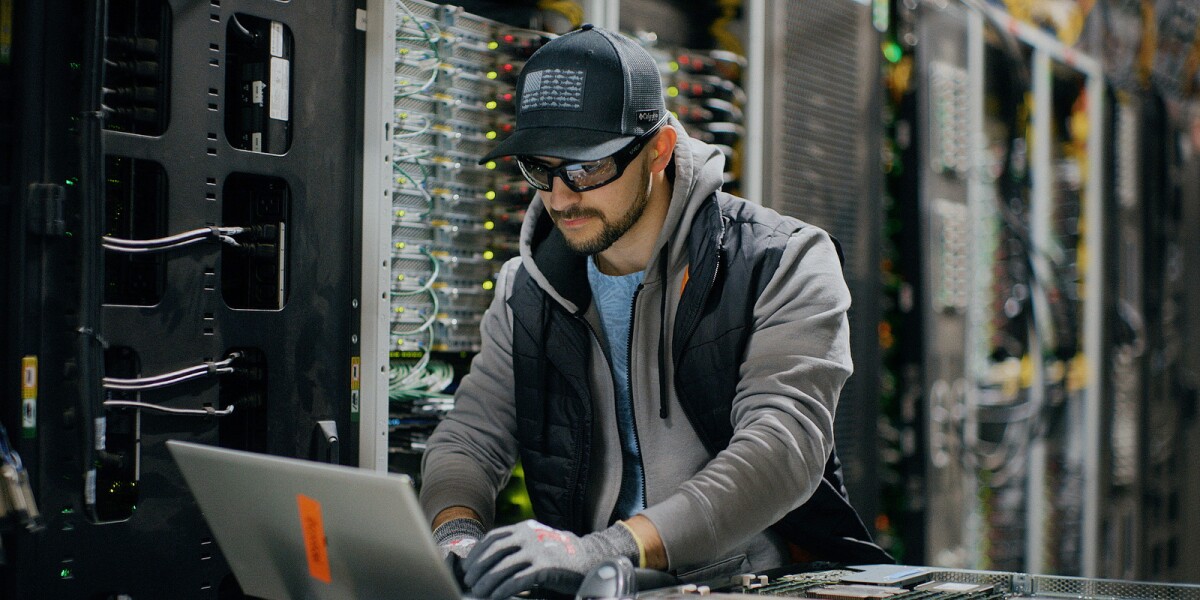
The restricted AI model can autonomously find critical vulnerabilities across major operating systems and browsers — and Anthropic is keeping it locked away from the public for safety reasons.

The Nvidia manufacturing partner's quarterly results signal that hyperscaler appetite for AI compute hardware remains robust despite geopolitical headwinds.

Oracle employees across the US, India, Canada, and Mexico received termination emails on March 31, as the company redirects billions toward AI cloud infrastructure at the cost of its headcount.

The additional $12 billion raised since February, including $3 billion from individual investors through banking channels for the first time, reads less like venture financing and more like an IPO rehearsal.
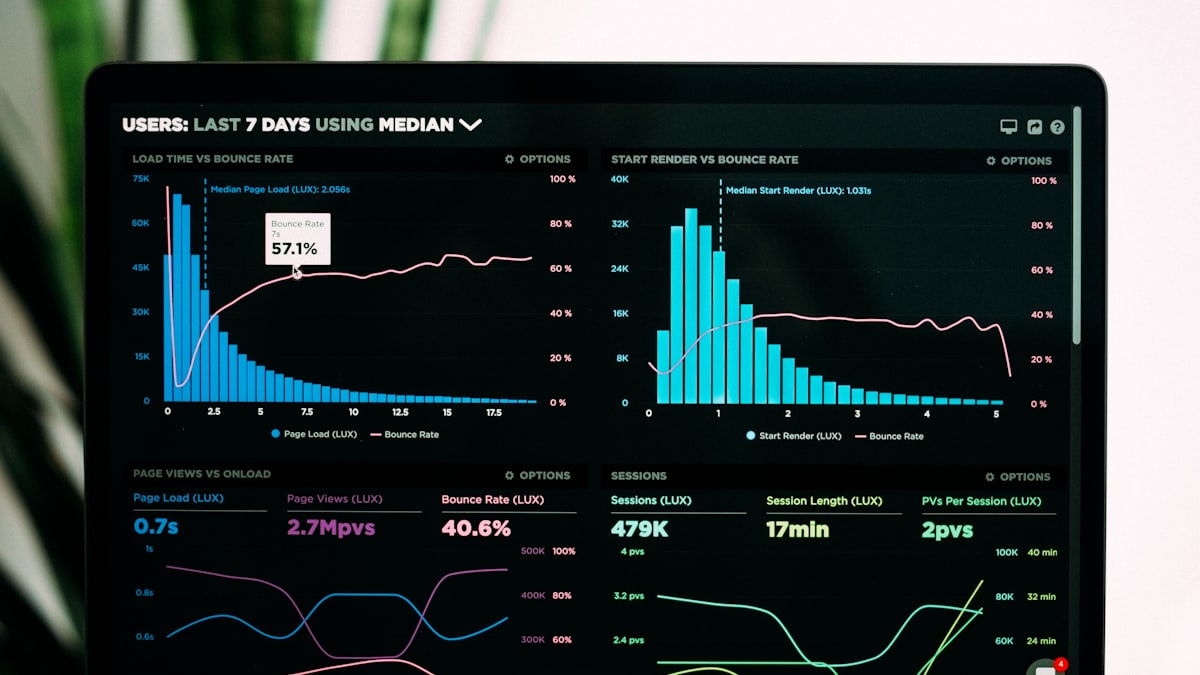
The Trump administration's six-part legislative blueprint calls on Congress to block state-level AI regulations, limit AI developer liability, and establish uniform federal standards to prevent a regulatory patchwork.
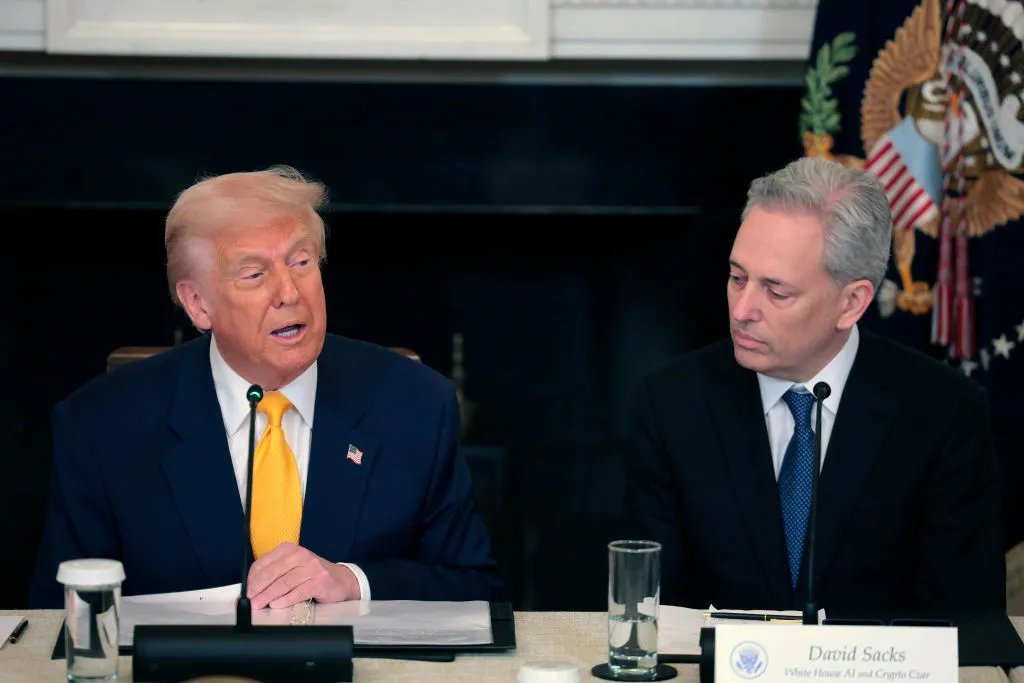
The Trump administration's framework urges Congress to preempt state AI regulations in California, Colorado, and New York and standardize the permitting process for the data centers that power AI systems.
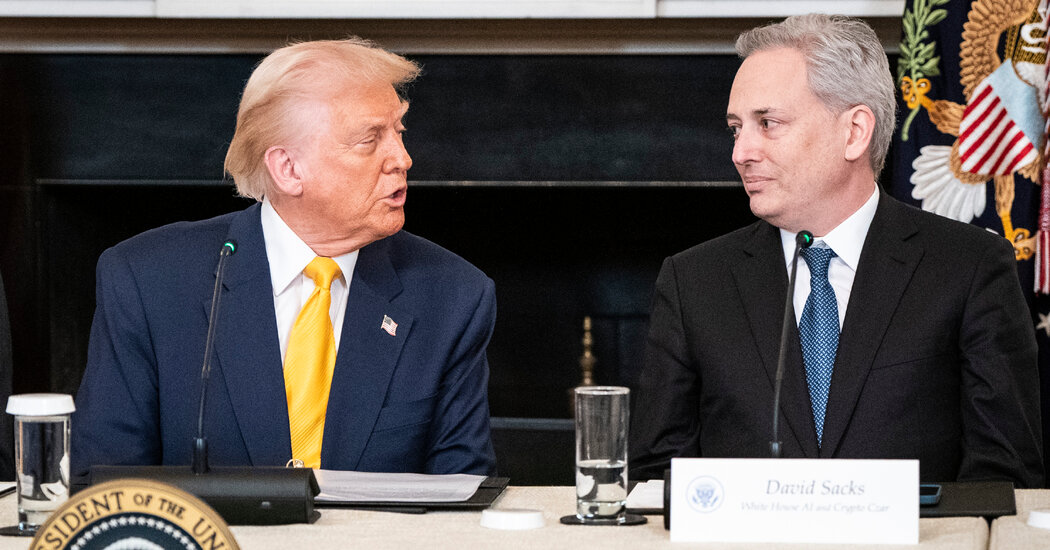
Axios analysis finds the White House AI proposal offers Congress a set of broad priorities rather than a legislative agenda, and may struggle to gain traction even among Republicans.

From Anthropic's Pentagon battle to the data center construction boom and hardware price inflation, a roundup of the defining AI narratives through mid-March finds the industry at a pivotal inflection.

The investment bank warns that compute scaling laws are holding firm, and the accumulation of AI infrastructure at US labs is about to produce capability gains that will reshape the economy.

The social media giant's accelerated silicon roadmap targets both ranking and generative AI inference, with all four chip generations deploying within two years at a pace far faster than industry norms.

Following a week of AI-dominated presentations from hundreds of company executives, the bank's analysts said nearly every business is now defining itself as either an AI enabler or AI adopter.

Silicon Valley is watching closely as the first-ever supply-chain risk designation against a US domestic company tests whether the executive branch can penalize firms for their AI safety positions.
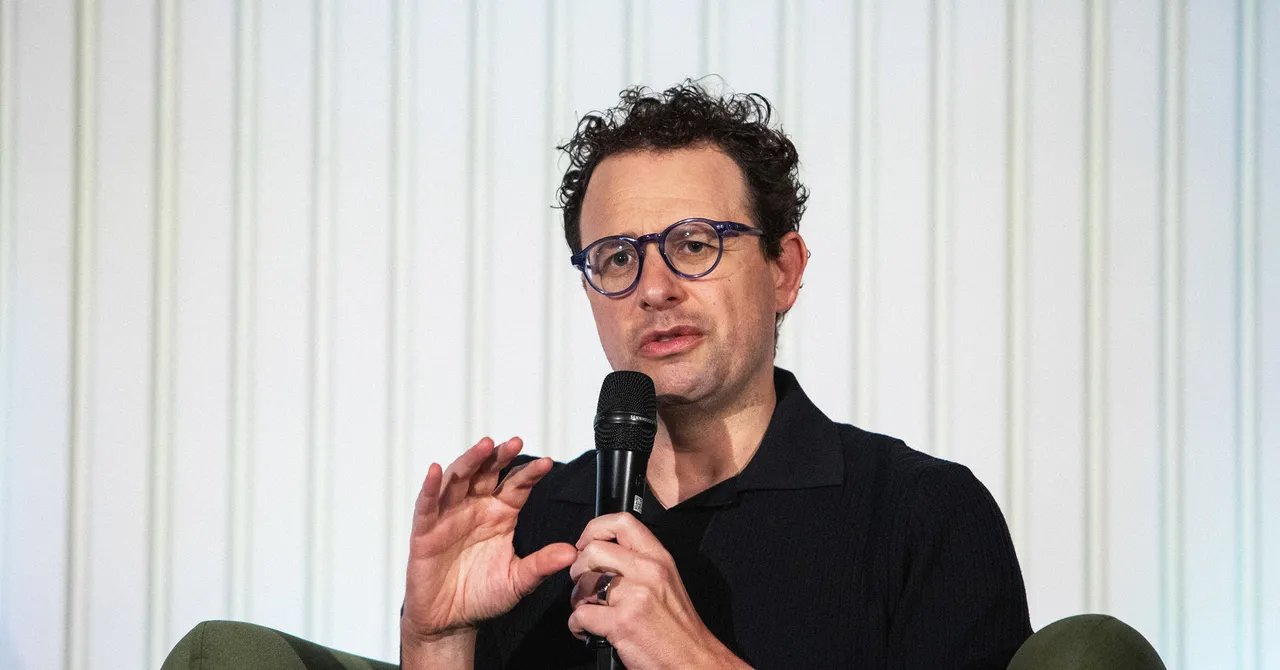
The Claude maker filed two federal complaints challenging the DOD's unprecedented blacklisting of an American AI company, citing First Amendment violations.
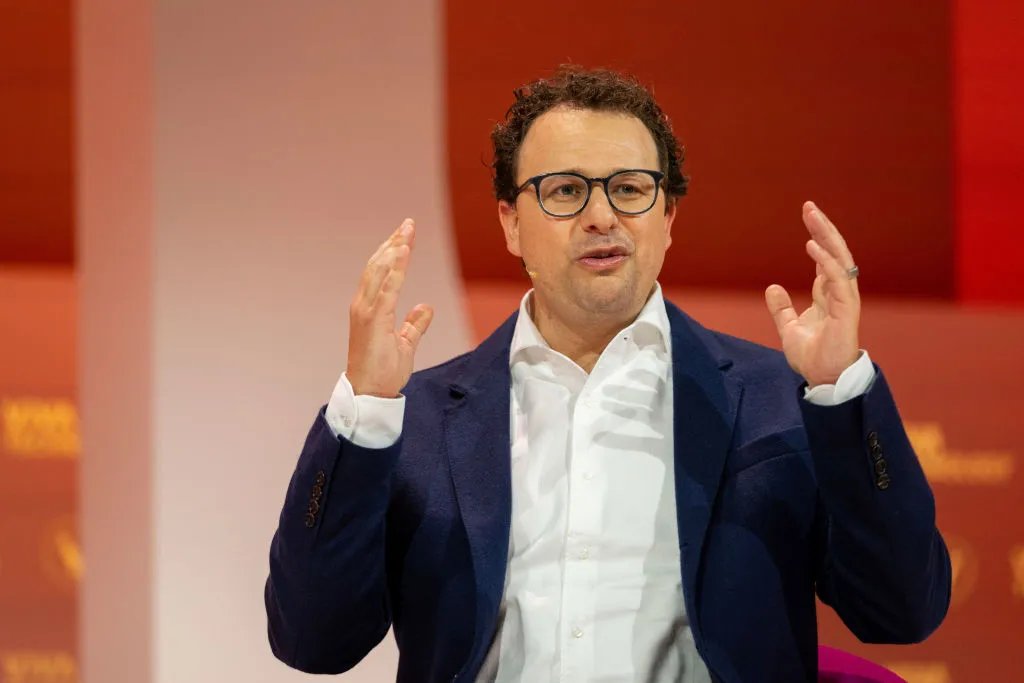
The job reductions will affect divisions across the company and may begin this month, with some cuts targeting roles Oracle expects AI to make redundant.

A comprehensive analysis of AI infrastructure commitments finds hyperscalers planning nearly $700 billion in 2026 data center spending, with Stargate construction underway in Texas and Oracle locking in $300 billion in compute contracts.

OpenAI's record-shattering funding round, led by a $50 billion Amazon commitment, is the largest private financing in history and cements deep infrastructure partnerships running on Amazon's cloud and Nvidia's Vera Rubin chips.