Wall Street Turns Bullish on Neoclouds, But Analysts Warn of High Debt and Fragile Economics
CoreWeave surged 42% in April and Nebius drew a new Citi target, yet McKinsey and industry veterans caution that the bare-metal AI cloud model carries outsized risk.
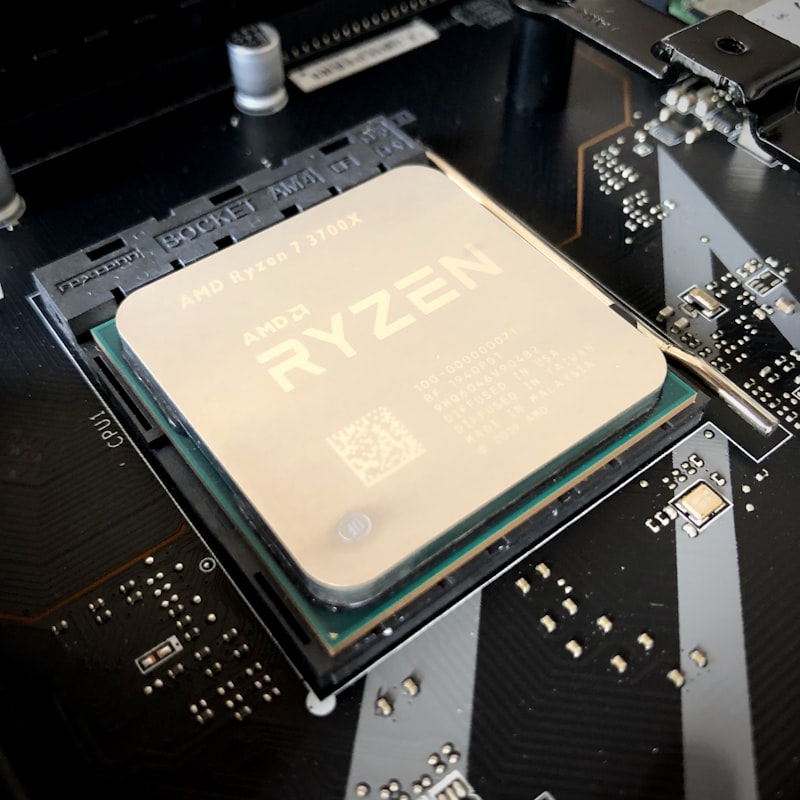
A new category of AI infrastructure company — the neocloud — is attracting growing attention from Wall Street analysts even as experts warn that these highly leveraged, specialized GPU rental businesses carry more risk than other AI investment plays. Neoclouds emerged as stopgap providers when the GPU shortage made it difficult for AI startups to access compute through traditional hyperscalers, and have since accumulated substantial debt trying to scale purpose-built AI data centers.
CoreWeave, the largest publicly traded neocloud, climbed 42% in April after debuting on the Nasdaq in 2025 at $40 per share and closing Friday at $110.14. Wolfe Research projects the stock will reach $150 this year and eventually $222, above Wall Street's consensus target of $128.52.
Amsterdam-based Nebius, which Citi has labeled an emerging AI hyperscaler, closed at $147.16 Friday with a one-year Citi price target of $169. Other prominent players including Lambda Labs, WhiteFiber, Crusoe, TensorWave, and Genesis Cloud operate largely outside of public equity markets.
The bull case rests on genuine enterprise demand. Analytics firms report that AI is making measurable inroads into commercial workflows, with clients like SoftBank using Dataiku's AI platform to save 250,000 hours annually in sales operations.
Wolfe Research noted in an April 16 report that significant AI development and monetization is happening in areas inaccessible to public equity investors, making neoclouds increasingly relevant entry points.
The risk case is significant. McKinsey consultants describe the bare-metal-as-a-service model as precarious, arguing these companies initially arose as temporary solutions to GPU shortages.
CoreWeave carries an estimated aggregate debt of $20 to $30 billion, with a total debt-to-EBITDA ratio of 8.87. Industry veterans caution that neoclouds are being unrealistic about market takeoff speed, and that lenders may force asset sales before the companies achieve profitability — potentially turning them into distressed divisions of Amazon or other hyperscalers.
Read the original reporting at CNBC.