SpaceX files confidentially for IPO targeting $1.75T valuation and up to $75B raise in June
Elon Musk's aerospace company, internally codenamed 'Project Apex,' has lined up 21 underwriting banks for what would be the largest IPO in history — more than triple Saudi Aramco's 2019 record.
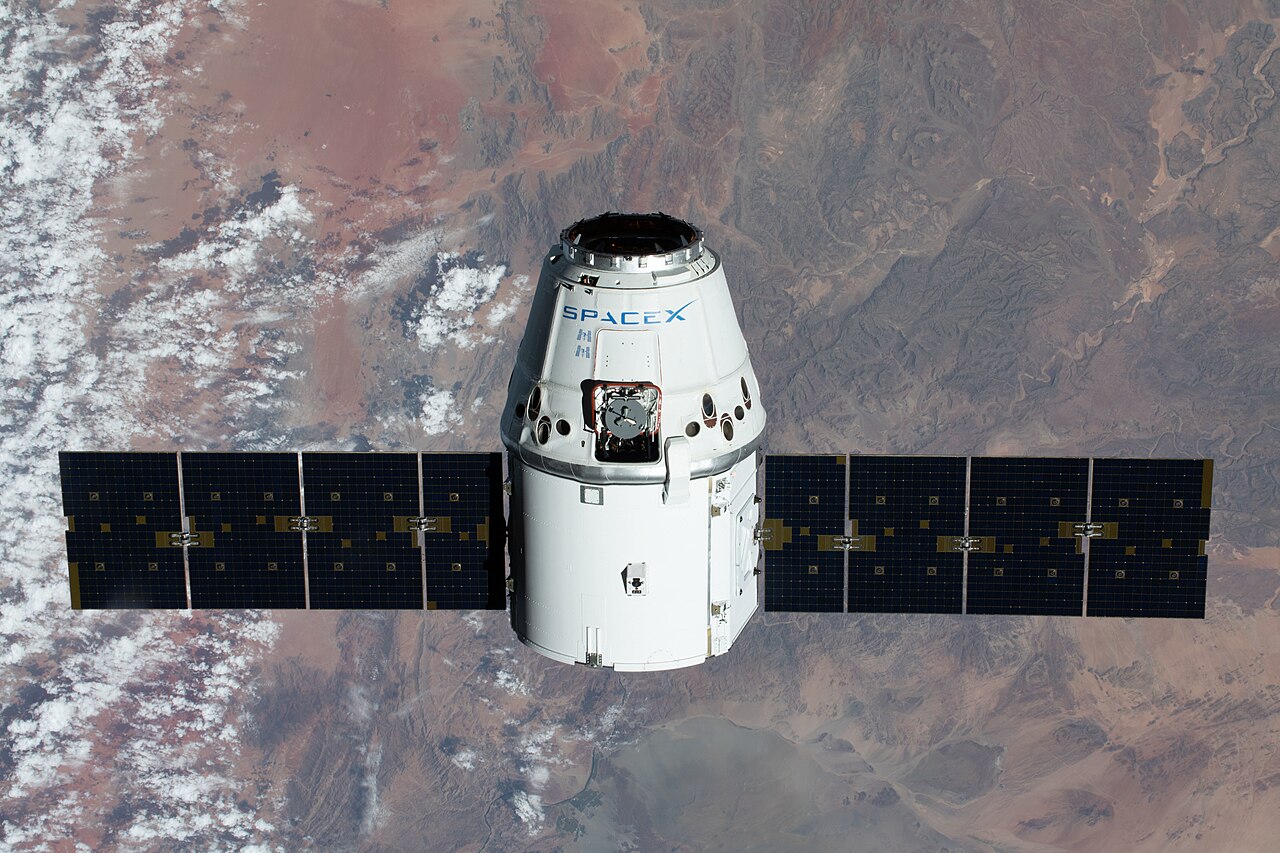
SpaceX submitted a confidential IPO registration statement to the US Securities and Exchange Commission on April 1, setting the stage for what analysts expect would be the largest public offering in history, CNBC and TechCrunch reported. The company, which operates the Falcon and Starship rocket families alongside the Starlink satellite internet constellation, is targeting a valuation of approximately $1.75 trillion and expects to raise up to $75 billion from the offering.
The company aims to list on a US exchange in June 2026, according to people familiar with the matter cited by the New York Times. SpaceX has assembled an unusually large syndicate of 21 banks to manage the offering, which is internally codenamed "Project Apex," Reuters reported.
The $75 billion fundraising target would surpass the largest US IPO to date — Alibaba's $22 billion listing in 2014 — by more than three times, and would exceed Saudi Aramco's global record of $29 billion set in 2019.
A confidential SEC filing allows private companies to receive regulatory feedback before publicly disclosing their financial information. SpaceX will be required to publish a full prospectus at least 15 days before beginning its roadshow to investors.
The company has raised approximately $10 billion as a private company through secondary share sales and venture rounds, giving existing investors and employees a major liquidity event.
SpaceX's dual business lines — launch services and Starlink broadband — provide a revenue profile distinct from other technology companies. Starlink had tens of millions of subscribers globally as of early 2026, generating recurring subscription revenue that analysts see as the primary driver of the company's valuation.
Elon Musk, who also leads Tesla, xAI, and the Department of Government Efficiency, did not respond to requests for comment.
Read the original reporting at CNBC.